
The government has stepped up disease surveillance and other public health measures as part of preparations for the expected El Niño rains, with authorities warning of increased risks of waterborne diseases in flood-prone areas.
Public Health Principal Secretary Mary Muthoni said the national government had activated contingency measures to strengthen disease monitoring, ensure access to safe drinking water and maintain adequate stocks of essential medicines and emergency supplies.
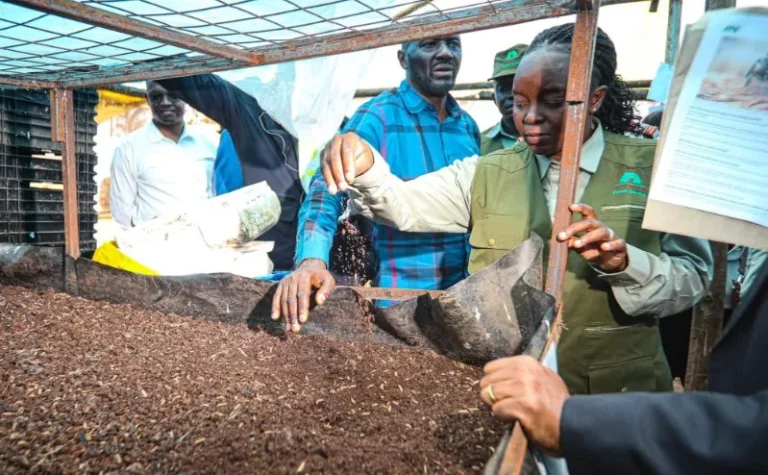
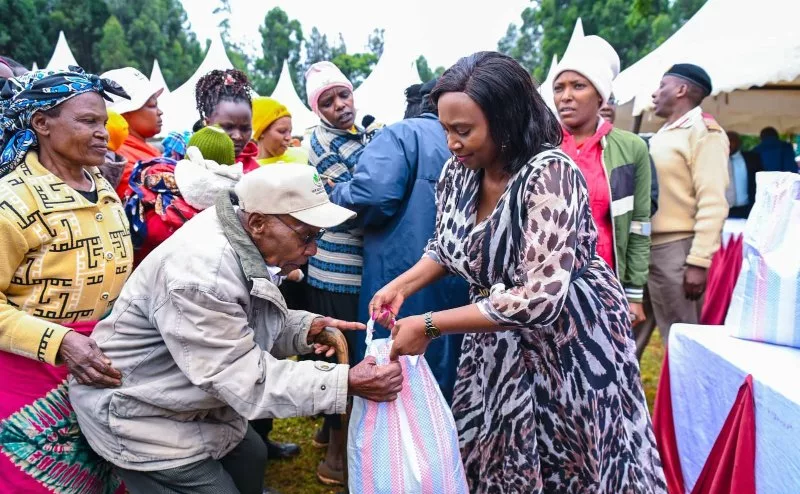
Speaking during a citizen engagement programme at Karumandi in Gichugu constituency, Muthoni said the government was working with county administrations and other stakeholders to minimise the health risks associated with heavy rains and flooding.
“We have activated our El Niño contingency measures to enhance disease surveillance, ensure safe water access and make sure our health facilities have enough essential medicines in case of outbreaks,” Muthoni said.
She said health facilities had been directed to verify their stocks and ensure they had adequate supplies to respond quickly to possible outbreaks, particularly in areas likely to experience flooding.
Muthoni urged county governments to work closely with water utilities to protect water sources and distribution systems from contamination during the rainy season, warning that flooding could compromise access to clean drinking water.
She also called for improved waste management and sanitation, particularly in major towns and informal settlements, to reduce the risk of diseases such as cholera.
The PS said 15 counties were still practising open defecation, describing the situation as a major public health concern that could worsen during heavy rains.
She urged county governments in the affected areas to intensify sanitation campaigns and invest in proper waste disposal facilities before the rains intensify.
Muthoni further identified Nairobi, Mombasa, Kisumu and Eldoret among major urban centres vulnerable to flooding, saying proper drainage systems would be critical in preventing stagnant water and limiting the spread of disease.
“We need to enhance safe waste disposal to prevent outbreaks of diseases such as cholera, especially in major towns and informal settlements. We must also ensure that our water remains safe throughout the rainy season,” she said.
El Niño refers to a periodic warming of ocean waters in the central and eastern tropical Pacific that can alter weather patterns across the world. In East Africa, El Niño episodes have often been associated with unusually heavy rainfall, flooding and related disruptions.
Kenya has experienced the effects of the phenomenon before, most notably during the 1997-98 episode when exceptionally heavy rains caused widespread flooding, damaged infrastructure and displaced communities. The floods were also associated with major outbreaks of cholera, malaria and Rift Valley fever.
The government has shifted towards earlier preparedness and multi-agency response to reduce the impact of extreme weather, including strengthening early warning, emergency response and coordination between national and county governments.
Muthoni said the health sector was particularly focused on early detection and rapid response, noting that surveillance would allow authorities to identify emerging disease threats before they spread widely.
She said access to clean water, proper sanitation, functioning drainage systems and adequate medical supplies would remain central to protecting communities during the rainy season.
The country is also implementing broader multi-sectoral preparedness measures to mitigate the anticipated effects of El Niño, with World Bank support among the resources being channelled towards strengthening the country’s capacity to respond to climate-related emergencies.
The country is set to receive about $400 million (Sh51.79 billion) in emergency World Bank financing, with El Niño-related disruptions among the crises covered by the support.
Muthoni said the public also had a role to play by maintaining hygiene, avoiding contaminated water and promptly reporting suspected disease outbreaks to health authorities.