



The roar of motorboats may be doing more than disturbing the calm of coral reefs. New research shows that prolonged exposure to boat noise during early development can leave reef fish smaller and less capable of escaping predators.
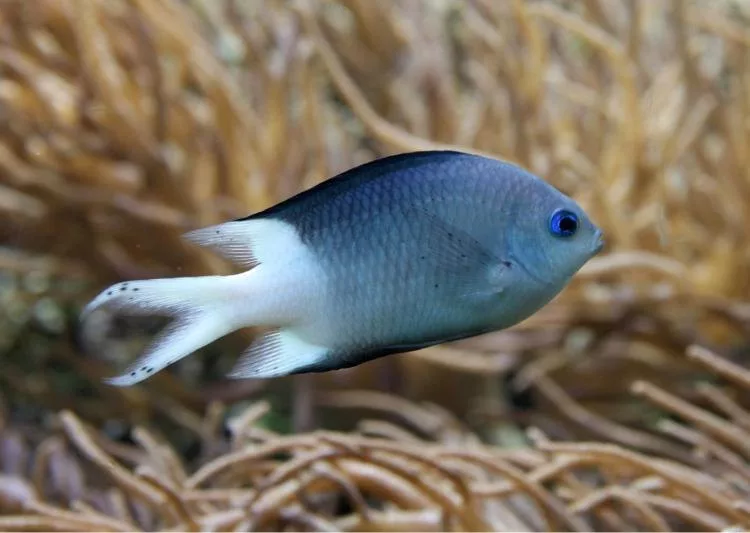
A study published in ‘Environmental Pollution’ found that spiny chromis, a reef fish from Australia’s Great Barrier Reef, exposed to motorboat noise as embryos and after hatching were less likely to respond to simulated predator attacks. Those that did react were also more likely to swim towards the danger rather than away from it.
The study, by researchers from the University of Exeter, University of Bristol and James Cook University, also found that fish exposed to motorboat noise after hatching were, on average, seven per cent shorter than those exposed to natural reef sounds.
Scientists divided the fish into four groups, exposing them to either motorboat noise or natural reef sounds during their embryonic and post-hatching stages, or to one sound during each stage. Sound exposure lasted for up to 78 days.
The researchers then tested how the fish responded to a simulated predator. A weight was dropped onto the surface of the water, triggering the spiny chromis’ natural escape response — twisting into a “C” shape before bursting away from the perceived threat.
The results revealed a striking difference.
Among fish exposed to natural reef sounds during at least one stage of development, about 80 per cent responded in the expected way. Of those, about 20 per cent made the mistake of swimming towards the simulated predator.
But among fish exposed to motorboat noise as both embryos and juveniles, only 68 per cent responded to the attack. Of those that reacted, 40 per cent swam towards the predator.
Importantly, the fish were not exposed to sound immediately before or during the test. No sounds were played for 24 hours beforehand, meaning the researchers were examining longer-term effects rather than a momentary distraction caused by noise.
Dr Sophie Nedelec of the University of Exeter said previous research had shown that motorboat noise can affect parental care, including the fanning behaviour used by parents to oxygenate eggs during the embryonic stage — a behaviour linked to survival.
“If exposure as embryos sensitises them to noise, it’s possible that they respond more strongly to noise as juveniles,” Nedelec said.
She said noise exposure could cause stress or affect feeding, creating cumulative effects that contribute to poor risk assessment and decision-making, as well as smaller body size.
The researchers said their findings show that exposure to motorboat noise during early development can affect growth and disrupt juveniles’ ability to escape predators, even when they face the threat in relatively quiet conditions.
Nedelec said limiting motorboat traffic near reefs during breeding seasons could help reduce these effects and protect reef fish and coral reefs, which are valuable but vulnerable ecosystems worldwide.
The study was funded by the Natural Environment Research Council.