


Residents of Madogo in Tana River county have raised concern over what they describe as inadequate preparedness by the national and county governments ahead of the anticipated El Niño rains.
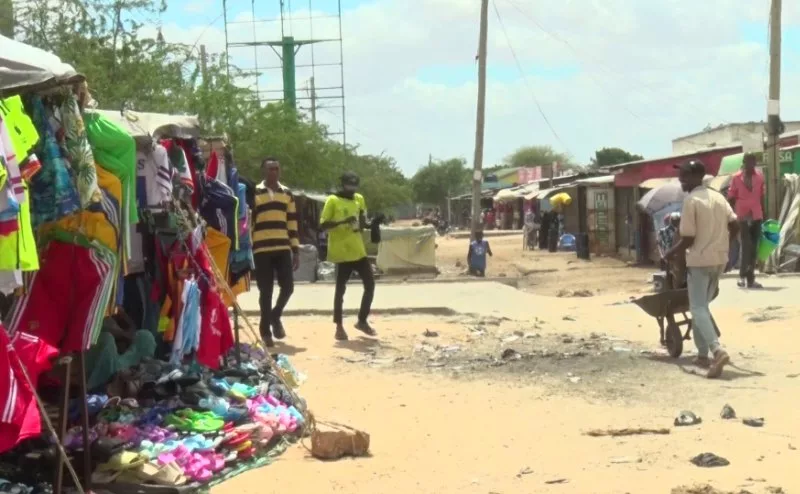
Speaking to the press at the Madogo trading centre, they warned that the area could experience serious flooding if urgent measures are not taken.
Hamisi Barit, a resident, said little had been done to clear and unclog drainage systems, many of which have been left blocked by overgrown vegetation and accumulated debris, raising fears that the waterways will not be able to handle increased volumes of water once the rains begin.
“As residents, we are particularly concerned about the presence of fully grown mathenge trees along several drainage channels. These trees have significantly obstructed the flow of water and need to be cut down before the onset of heavy rains,” Barit said.
Barit said the situation is likely to worsen if the relevant authorities do not move with speed to clear the drainage systems and open up blocked waterways.
“We are worried because very little has been done to prepare Madogo for the rains. Some of the drainage channels are completely blocked by matenge trees and other vegetation. If the rains come before these trees are removed, water will have nowhere to go,” he added.
Ibrahim Dawata, another resident, also pointed to previous experiences with flooding, saying the impact has often been worsened by the construction of houses and other structures along drainage routes and natural waterways.
He said the developments have narrowed or completely blocked some of the paths through which floodwater would naturally flow, leaving residential areas and businesses vulnerable whenever heavy rains are experienced.
“Some houses have been built along the drainage systems, and this makes it difficult for water to flow. We have seen what happens during heavy rains in the past. Water ends up flooding homes and business premises because the normal waterways have been blocked,” Dawata said.
Anastasia Mwikali, a trader operating along the road, said their businesses will suffer significant losses if the rains lead to flooding, particularly because many traders operate in areas that are vulnerable to flooding. She said the places where small-scale traders display and sell their products are among the areas that are frequently affected by stagnant and running water during periods of heavy rainfall.
“Our businesses are our livelihoods. When it rains heavily, the places where we sell our products are flooded, making it impossible for us to operate. Some traders also lose their goods because of the water,” Mwikali said.
She further expressed concern about hygiene and the possibility of disease outbreaks following flooding, noting that stagnant water, overflowing drainage systems and poor sanitation could create conditions favourable for the spread of waterborne and other communicable diseases.
“Let the health and environmental authorities put in place measures to protect the community, including ensuring that drainage systems are cleared, waste is properly disposed of and potentially contaminated areas are addressed promptly after flooding,” she added.
Vincent Nkurumah called for closer coordination between the national government, Tana River County Government and other relevant agencies to ensure that emergency response measures are in place before the rains intensify.
He said preparedness should not begin after flooding has already occurred, arguing that preventive measures such as clearing drainage channels, removing obstructing vegetation and identifying flood-prone areas can help reduce the impact of heavy rains.
“We are not saying that the rains should not come. We are asking the government to prepare before they come. The drainage systems need to be opened, the matenge trees need to be cut and the areas that are known to flood should be addressed now,” Nkurumah said.