

Kenya and its East African Community counterparts should tap into investment and trade opportunities with Somalia, regional trade bodies now say.
This, as Somalia seeks to turn its membership of the EAC into a springboard for trade, investment and industrial growth, as the regional bloc steps up efforts to bring Somali businesses deeper into its expanding single market.
Among opportunities identified in Somalia are its unexploited natural wealth, including potential offshore oil and gas reserves, marine and fisheries (blue economy), agriculture, and livestock sectors.
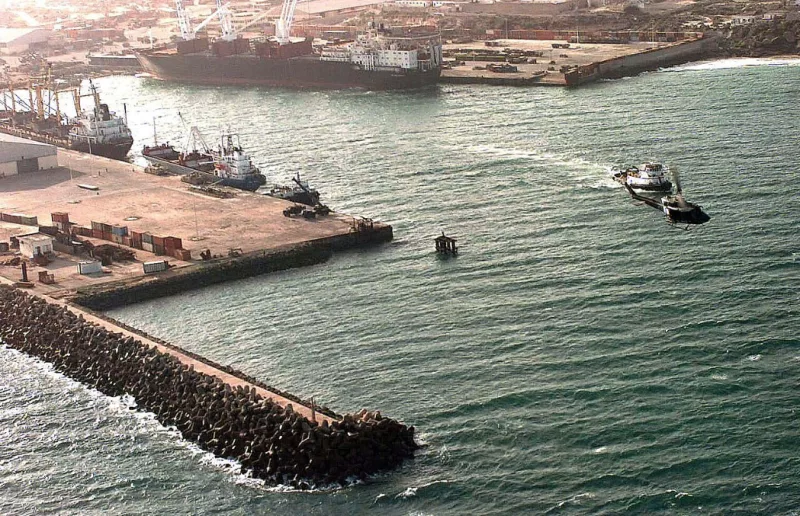
With access to a regional market of more than 300 million people and a strategic coastline stretching over 3,000 kilometres, Mogadishu is positioning the country as both a new consumer market and a gateway for investment, logistics and maritime trade between East Africa, the Gulf and wider international markets.
The push comes as Somalia and East African business leaders intensify efforts to remove trade barriers, strengthen regional value chains and attract cross-border investment, nearly two-and-a-half years after Somalia formally became the EAC’s eighth member.
It was admitted on November 24, 2023, and officially became a full member on March 4, 2024, after completing its ratification process.
The private sector, led by the East African Business Council (EABC), EAC, Somali Chamber of Commerce and Industry and Germany development agency – GIZ – and policy makers have identified manufacturing, logistics, tourism, financial services and value addition as key areas where Somalia can deepen its economic integration with the region.
“The private sector should leverage the enlarged regional market, strengthen value chains and pursue cross-border investment opportunities,” said Annette Mutaawe, EAC deputy secretary general in charge of customs, trade and monetary affairs.
The bloc currently has eight members including Kenya, Uganda, Tanzania, Rwanda, Burundi, South Sudan and the Democratic Republic of Congo.
Somalia’s Minister of Commerce and Industry, Gamal Hassan, called on businesses to capitalise on EAC and AfCFTA opportunities, particularly through manufacturing, value addition and industrial development.
For Somalia, the opportunity extends beyond market access. Its strategic position along the Gulf of Aden and Indian Ocean gives the EAC an additional maritime gateway linking East Africa to major Middle Eastern and global shipping routes.
Somalia is also seeking investment in transport and logistics as it positions itself as a regional trade and transit hub.
The Somali Chamber of Commerce and Industry said stronger business-to-business cooperation, expanded market access and investment linkages would be critical to translating EAC membership into commercial opportunities.
Investment Promotion Office, SOMINVEST, director Ismail Abdalla Ali said there was need for a more enabling business environment to attract domestic, regional and international capital.
Kenya is among the region’s key trading partners with Somalia with annual exports valued at an estimated $130 million (Sh16.8 billion), with major goods being rolled tobacco, packaged medicines, refined petroleum as well as khat (miraa), dairy products, and cement.
Somalia’s exports to Kenya include specialized equipment, clothing accessories, furniture, and smaller quantities of fish, livestock, and scrap metals but trade is in faviur of Kenya which maintains a strong dominant position.
Officials have called for the implementation of EAC commitments, removal of non-tariff barriers and easier movement of goods, services and investment.
The Somali diaspora has been identified as another important source of capital, entrepreneurship and business networks connecting Somalia to the wider region.
Conversations around Somalia come as EABC prepares to host the East Africa CEO and Investment Forum in Nairobi on September 17–18.
The forum is expected to bring together more than 500 CEOs, investors, policymakers and development finance institutions, with a focus on converting investment opportunities into deals and commitments.