


The Kenya Wildlife Service has challenged Garissa and Wajir counties to establish and revitalise wildlife protected areas as part of efforts to unlock their tourism potential and reduce human-wildlife conflicts.
KWS director general Erustus Kanga has written to the governors of the two counties, urging them to tap the rich wildlife resources in their expansive arid and semi-arid lands.
In a letter to Wajir Governor Nathif Jama, Kanga said the county was a strategically important frontier for global biodiversity, according to the 2025 National Wildlife Census.
He said Wajir was a stronghold for several threatened species, including the critically endangered hirola antelope, while also providing an important refuge for reticulated giraffes.
Other species found in the county include Grevy’s zebra, African wild dog, cheetah, lion, leopard, gerenuk, Grant’s gazelle, Beisa oryx and Somali ostrich.
“These ecosystems form part of important wildlife dispersal areas and migratory corridors that are essential for sustaining viable wildlife populations in arid and semi-arid landscapes,” Kanga said.
He warned that increasing human populations, habitat degradation, climate variability, competition for resources and growing human-wildlife conflicts were placing pressure on the ecosystems.
Without structured conservation interventions, he said, the challenges could threaten biodiversity as well as pastoral livelihoods that depend on healthy rangelands.
Kanga urged Wajir county to establish game reserves to provide a framework for protecting critical habitats and wildlife while promoting sustainable development.
“The establishment of a game reserve in Wajir county would provide an important framework for conserving critical wildlife habitats and existing wildlife species while promoting sustainable development,” he said.
He said protected areas would unlock opportunities for ecotourism and conservation-based enterprises, creating employment and generating revenue for local communities.
Kanga also said protecting rangelands would strengthen climate resilience through improved vegetation cover, soil stability and water retention.
In Garissa, he said existing reserves, including Rahole, Arawale and Boni, required urgent intervention to realise their full potential.
“The census report strongly recommends that we prioritise the restoration and operationalisation of these reserves to protect key habitats and wildlife corridors,” Kanga said.
He urged the county to revitalise dormant reserves and explore the establishment of new protected areas or community wildlife conservancies in areas with high concentrations of biodiversity.
Kanga said Section 35 of the Wildlife Conservation and Management Act, 2013, provides a legal basis for formalising wildlife corridors, which could help unlock Garissa’s tourism potential while mitigating human-wildlife conflicts.
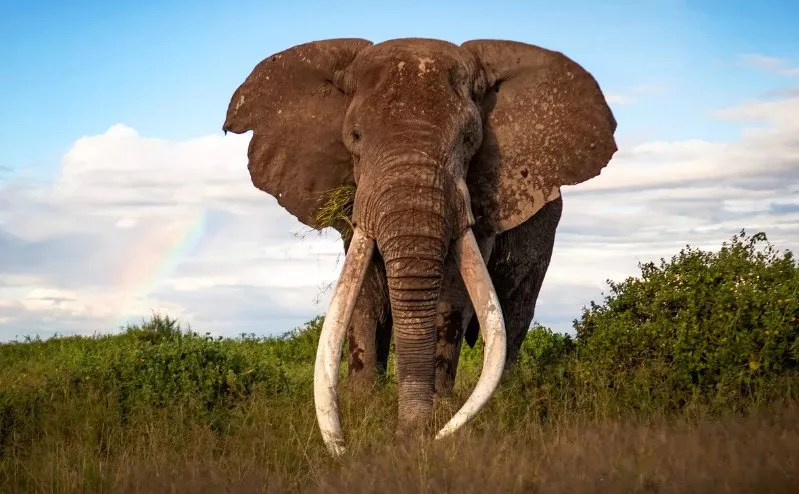
Garissa is home to important wildlife populations, particularly the reticulated giraffe and the critically endangered hirola hartebeest. It also hosts Grevy’s zebra, African wild dog, cheetah, elephant, lion and leopard.
The county’s wildlife is found mainly in Arawale, Boni and Rahole National Reserves, community conservancies, including Kamuthe and Ishaqbini Hirola, and on community land.
Kanga said this made Garissa pivotal to protecting Kenya’s biodiversity and maintaining wildlife connectivity across the wider landscape.
Pastoralism dominates land use in Garissa, with about 95 per cent of the population depending on livestock rearing. Wildlife-based tourism is growing slowly, with opportunities emerging through community conservancies and improved infrastructure.
Kanga said KWS was ready to provide technical support to the two county governments as they explored ways of strengthening wildlife conservation and developing tourism enterprises.
He said coordinated conservation would help protect wildlife while creating economic opportunities for communities living alongside the animals.