

Kenya’s evangelical movement has signaled that it intends to play a far more assertive role in shaping national debate ahead of the 2027 General Election, using its annual gathering to weigh in on everything from electoral reforms and political violence to education policy, healthcare funding and economic management.
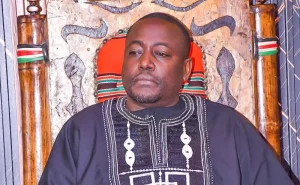
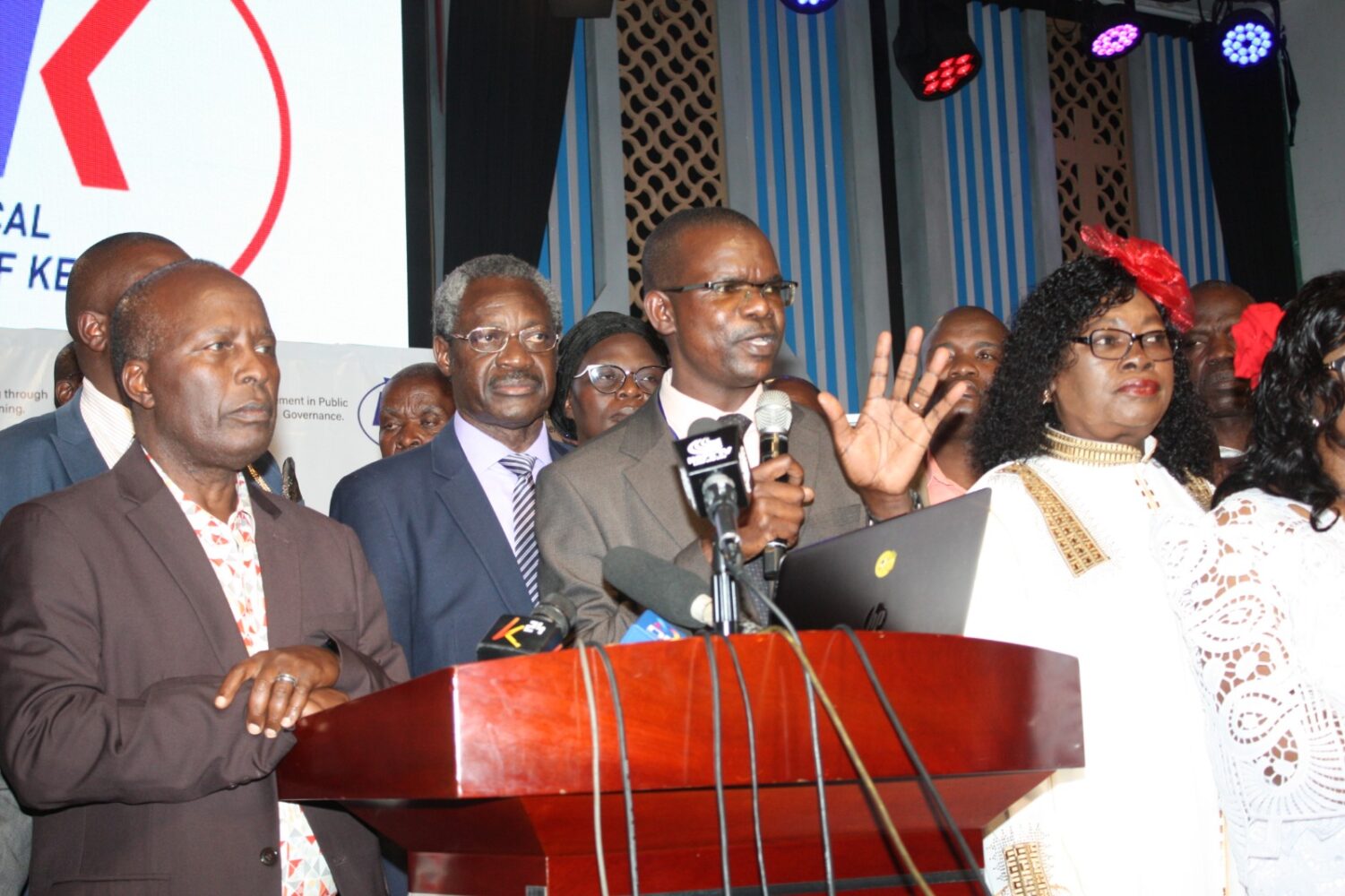
In a sweeping communiqué released after its Annual General Meeting, the Evangelical Alliance of Kenya (EAK) delivered what amounted to a moral audit of the nation while unveiling a new leadership team headed by Bishop Calisto Odede.
But beyond the leadership transition, the message was unmistakable. The Church intends to be heard.
The alliance, which brings together hundreds of evangelical churches and Christian organizations across Kenya, warned against rising political intolerance, condemned the use of criminal gangs in politics, challenged Parliament to fast-track electoral reforms and urged young people to register as voters ahead of the 2027 polls.
The statement also reflected growing unease among faith leaders over the state of the economy.
At a time when households are grappling with the cost of food, housing, education and healthcare, the alliance called on government to cut wasteful spending, intensify the fight against corruption and prioritise support for vulnerable families.
Perhaps most striking was the alliance’s intervention in the education debate.
The church body expressed concern over proposals to integrate Madrassa and Duksi institutions into Kenya’s formal education framework, arguing that any reforms touching on faith and education should undergo broader public participation and constitutional scrutiny.
The remarks are likely to trigger fresh debate in a country where questions of religion, education and national identity often intersect.
The alliance also joined a growing chorus of voices demanding timely funding for schools and universities while warning that persistent delays threaten learning outcomes and institutional stability.
On healthcare, the body acknowledged progress under the Social Health Authority but raised concerns about unpaid claims owed to mission hospitals, a matter that has become increasingly contentious among faith-based health providers.
The communiqué comes against a backdrop of renewed activism by religious leaders who, after years of being accused of maintaining a cautious relationship with political power, appear increasingly willing to challenge government policy in public.
For EAK, the challenge now will be balancing its spiritual mandate with its growing public voice.
Yet if the tone of this year’s communiqué is any indication, Kenya’s evangelical movement is no longer content to simply pray for the nation.
It wants a seat in the national conversation about where the nation is headed.