

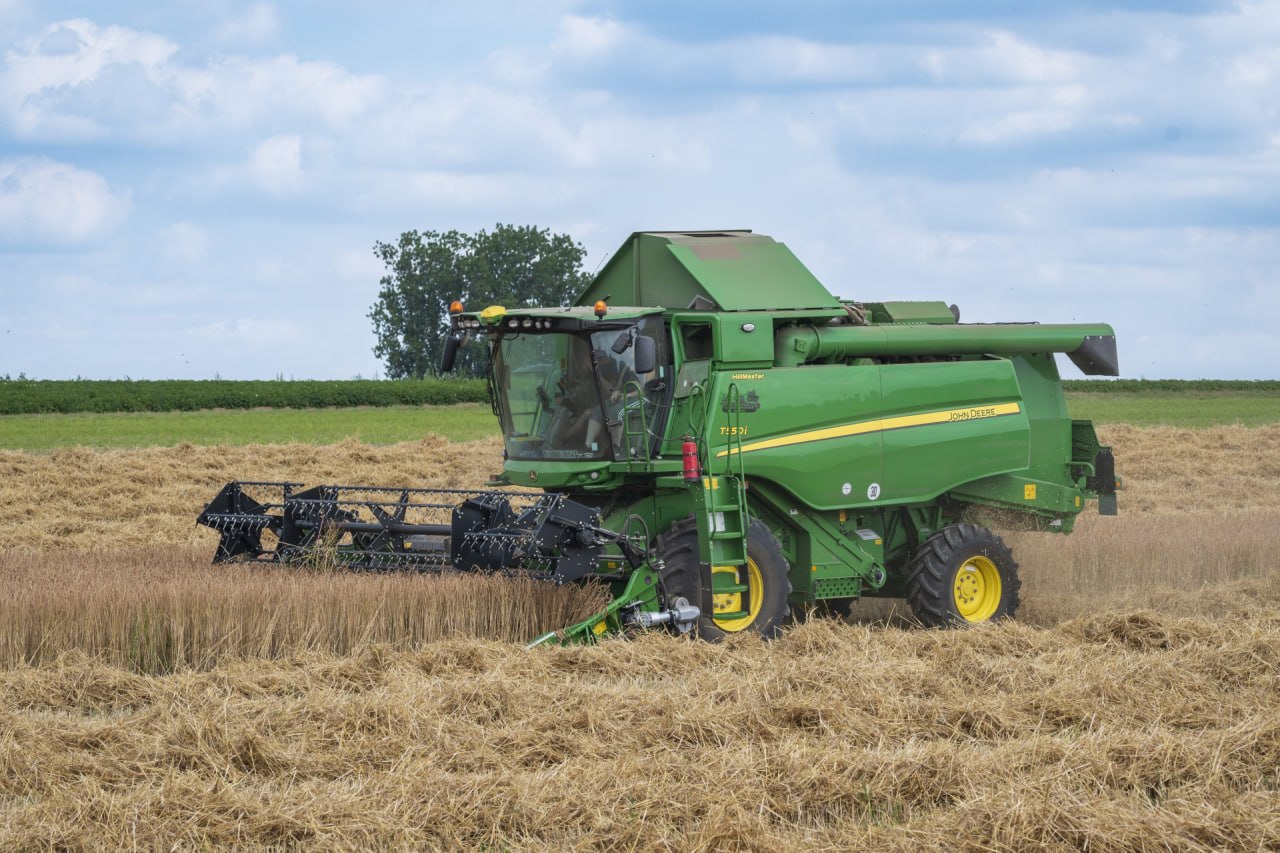
Russian wheat exports to Kenya are projected to increase by 10 per cent to 1.4 million tonnes during the 2025/26 marketing year, according to figures shared by Russia’s Center for Agricultural Export Development.
The announcement was highlighted by the Russian Embassy, which said the projected exports represent the second-highest volume of wheat ever shipped from Russia to Kenya. The highest level on record was registered in the 2023/24 season, when exports reached 1.7 million tonnes.
In a post on X, the embassy stated that the 1.4 million tonnes destined for Kenya will account for approximately seven per cent of Russia’s total wheat exports to Africa during the period.
The figures underscore Kenya’s importance as one of Russia’s key agricultural trading partners on the continent. Wheat remains one of Kenya’s most important food imports, supplying flour millers and supporting the production of bread, pasta, pastries and other wheat-based products consumed across the country.
Kenya has long relied on imports to bridge the gap between local wheat production and growing domestic demand. Industry estimates indicate that local production meets only a fraction of national consumption, making imports critical to ensuring a stable supply of the grain.
The projected increase in Russian wheat exports comes amid expanding trade ties between Moscow and several African nations. Russia has continued to position itself as a major supplier of grain to African markets, with Kenya emerging as one of its leading destinations.
Analysts say reliable supply chains and competitive pricing have helped Russian wheat maintain a strong presence in the Kenyan market. The continued growth in imports is expected to support the country’s food processing industry and help meet rising demand driven by population growth and urbanisation.
The latest figures highlight the growing role of agricultural trade in strengthening economic relations between Kenya and Russia while reinforcing Kenya’s dependence on imported wheat to meet its food needs.