


World Athletics’ decision to spin the marathon into a standalone World Championships from 2030 could significantly reshape Kenya’s medal ambitions on the global stage.
For decades, the marathon has been a cornerstone of Kenya’s dominance at the World Athletics Championships, delivering a steady stream of podium finishes and bolstering the country’s overall medal haul.
Since the launch of the World Championships in 1983, Kenya has been a force to reckon with on the marathon scene, dominating both the men’s and women’s events.
In the men’s marathon, Kenya leads the standings with a haul of nine medals (five gold, three silver and one bronze), with Ethiopia (13 medals) and Spain (five medals) following closely.
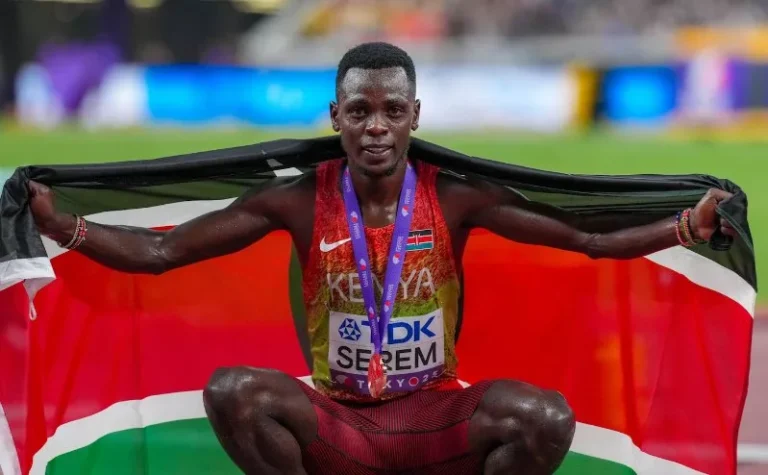
Some of Kenya’s top male athletes over the 42km distance over the years include Douglas Wakiihuri, who won gold in Rome 1987, as well as Abel Kirui, who claimed back-to-back titles in Berlin 2009 and Daegu 2011.
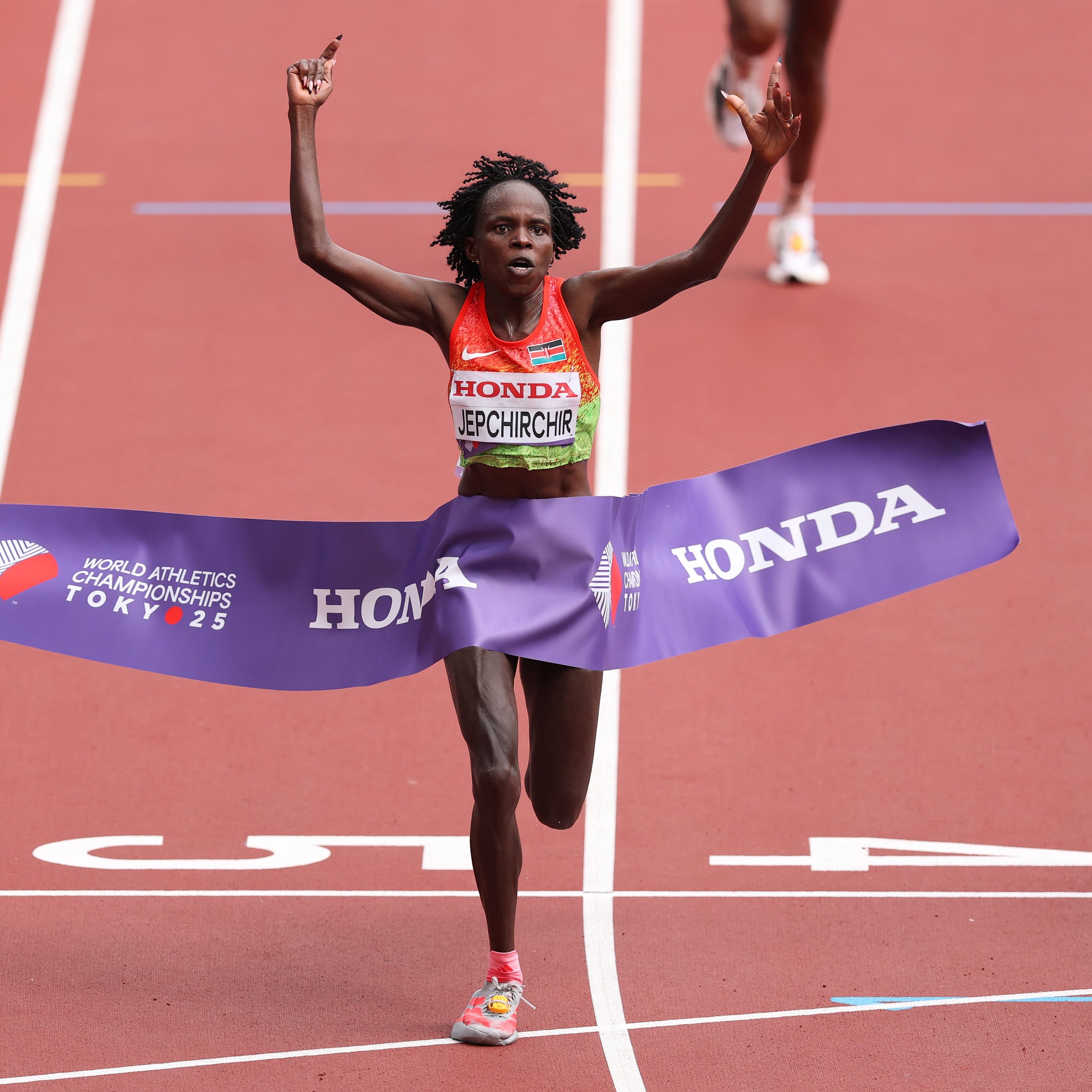
The women’s race has seen Kenya more dominant, claiming 22 medals (16 gold, five silver and one bronze). Marathon legends Catherine Ndereba and Edna Kiplagat have led Kenya’s charge, claiming three medals (two gold and one silver). Peres Jepchirchir claimed the world title during last year’s global extravaganza, timing 2:24:43.
However, that reliable source of medals will be removed from the traditional championship programme after 2029, forcing a rethink in strategy. Under the new roadmap, the marathon will feature at the 2027 and 2029 editions of the World Championships before transitioning into its own annual World Marathon Championships from 2030.
The newly proposed World Marathon Championships will be staged annually, with men’s and women’s races held in alternate years, mirroring the current championship cycle.
Meanwhile, the World Athletics Road Running Championships will continue as a separate annual competition. As part of the ambitious blueprint, World Athletics has opened formal discussions with Athens to host the inaugural edition in 2030.
That shift carries weight for a nation whose long-distance pedigree has been built as much on the roads as on the track. Kenya’s marathoners, renowned for their consistency, depth and championship pedigree, have historically delivered when it matters most, often rescuing medal tallies in tightly contested championships.
The removal of the event from the World Championships programme effectively strips away one of Team Kenya’s most bankable medal avenues but also sets the stage for a charge at a new frontier.
World Athletics President Sebastian Coe hailed the move as a defining moment for the sport. “This is an opportunity to create a dedicated global celebration of marathon running, staged in a setting that honours its heritage while embracing the scale and spirit of the modern running community,” he said.
Chief Executive Jon Ridgeon echoed those sentiments, describing Athens as the natural home for the event. “Exploring a standalone World Marathon Championships here reflects our ambition to return the sport’s greatest showcase to where it all began, while ensuring it meets the highest technical and operational standards,” Ridgeon noted.