



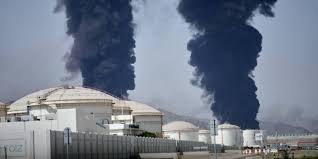
A fresh surge in global oil prices triggered by escalating tensions in the Middle East is set to ripple through Kenya’s economy, experts warn
This raises raising concern of a new wave of high living costs for households, farmers and businesses.
Advisory firm Deloitte East Africa now projects that crude oil prices could hit $115 per barrel within days, as conflict intensifies between the United States, Israel and Iran.
On Thursday, a barrel of Brent was quoted at $109, having risen from an average of $79, three weeks before the first missile was fired.
The spike follows fresh attacks on critical energy infrastructure, including a reported Israeli strike on Iran’s South Pars gas field and retaliatory strikes targeting facilities in Qatar, Saudi Arabia and the United Arab Emirates.
Analysts warning that the situation could deteriorate further if the Strait of Hormuz remains effectively closed.
The narrow waterway handles about a fifth of the world’s oil supply, making it one of the most critical arteries in global energy markets.
Locally, the government has sought to calm growing anxiety. A fortnight ago, Energy Cabinet Secretary, Opiyo Wandayi has assured Kenyans that the country has sufficient fuel stocks and that there is no immediate risk of shortages.
Wandayi said Kenya is holding strategic petroleum reserves that can cushion the country against short-term supply disruptions, even as the government continues engagements with Gulf-based suppliers under the government-to-government fuel import arrangement.
The talks, he noted, are aimed at stabilising supply and moderating the impact of global price volatility on local pump prices.
Despite these assurances, pressure is building. While the Energy and Petroleum Regulatory Authority (EPRA) left fuel prices unchanged in its latest monthly review, industry players expect a sharp increase in the next cycle.
Estimates suggest the cost of super petrol could rise by as much as Sh10 per litre in the April 14 pricing review.
For Kenyan households, the implications are immediate and far-reaching.
A senior partner at the advisory firm told the Star that fuel is a key driver of inflation, influencing the cost of transport, electricity and basic goods.
“A rise in pump prices is likely to translate into higher fares, increased food prices and more expensive essential services, further squeezing already strained family budgets.,’’ the report reads.
“Businesses, particularly small and medium enterprises, are also bracing for impact. Transport and logistics costs are expected to climb as fuel becomes more expensive, raising the cost of moving goods across the country.”
He adds that manufacturers, already grappling with high input costs, may be forced to scale back production or pass on the additional expenses to consumers.
Another market analysis by Sage Research shows that retailers, operating on thin margins, are similarly exposed.
According to the report released mid last week, higher wholesale prices and transport costs could erode profitability, with many likely to adjust prices upward to stay afloat. This, in turn, risks dampening consumer demand and slowing economic activity.
The research firm said that farmers preparing for the April planting cycle are likely to encounter a spike in the cost of inputs, especially fertiliser, much of which is imported and sensitive to global energy prices.
We see the price of a 50kg bag of fertiliser rising in the margins of 10-20 per cent since fuel plays vital role in production.
Government subsidised DAP fertiliser is often priced around Sh2,500–Sh3,500, while commercial brands like YaraMila or Elgon Thabiti range from Sh5,850 to over Sh6,900 per 50kg bag.
Higher fuel costs will also push up the price of mechanised farming, irrigation and produce transportation.
Experts warn that these pressures could reduce farm productivity and ultimately lead to higher food prices in the months ahead, compounding food security challenges.
Disruptions in key maritime routes, particularly around the Gulf, could increase freight charges and insurance premiums. Importers may face delays and higher costs, which will inevitably be passed down the supply chain.
Analysts say the broader concern lies in the secondary effects of the conflict. Even though the fighting is taking place thousands of kilometres away, its economic shockwaves are global, affecting everything from fuel and food to manufacturing and trade.