



Cultural Roots and Meaning
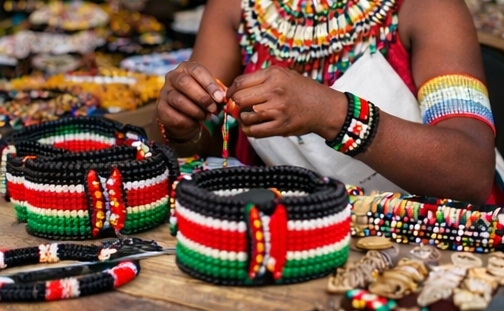
The bracelet’s design draws directly from the Kenyan national flag. In the flag’s symbolism:
- Black represents the people of Kenya.
- Red symbolizes the bloodshed during the struggle for independence.
- Green stands for the country’s natural wealth.
- White signifies peace and unity.
Long before the flag was adopted in 1963, beadwork was already central to East African communities.
Among the Maasai, beadwork has for generations been used to communicate identity, age, marital status and social position. Contemporary flag bracelets adapt these traditional techniques into modern wearable items.
Growth Through Travel and Social Media
The bracelets first gained popularity locally. They were commonly worn during:
- National holidays
- Sporting events
- Cultural celebrations
- Daily life as expressions of patriotism
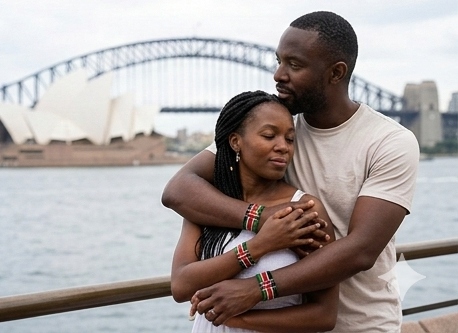
“For many in the diaspora, the bracelet is more than a decoration — it is a visible link to home.”

Visibility Through Public Figures
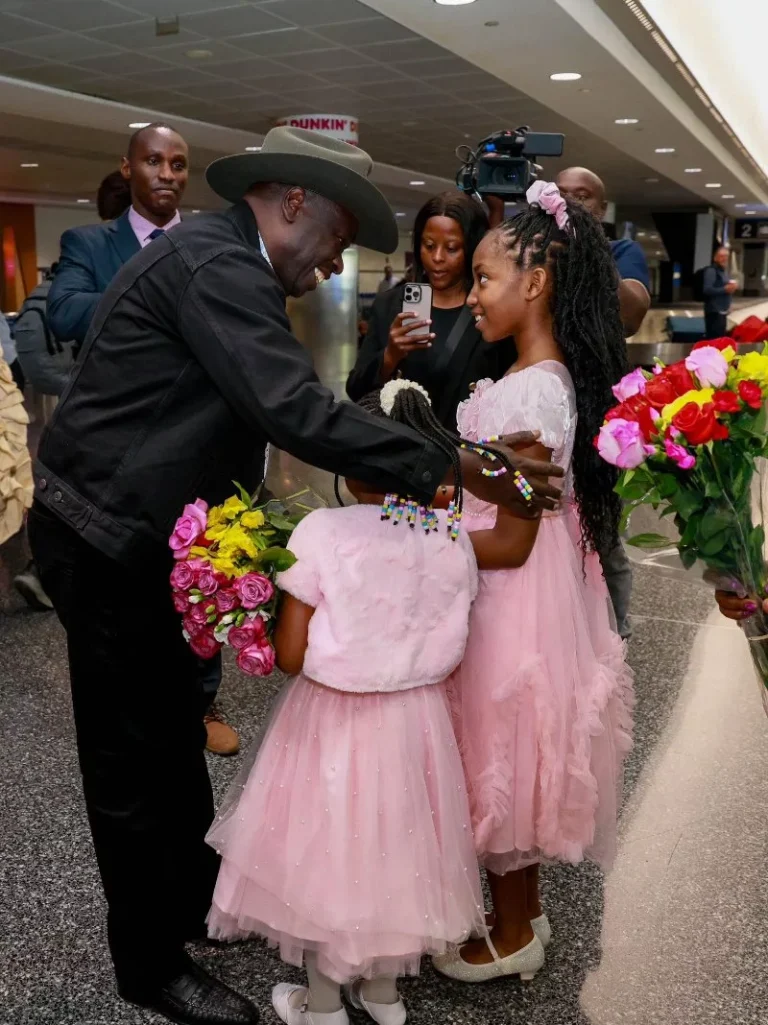
Media reports have documented instances of public figures wearing Kenyan flag-themed accessories during official visits or cultural engagements. Such appearances have contributed to wider recognition, placing the bracelet within global pop culture conversations.
Handcrafted Appeal
Most Kenyan flag bracelets are handmade by artisans using locally sourced beads and string. Their affordability has made them accessible to a broad audience. Unlike luxury fashion items, each piece reflects small-scale craftsmanship.
Today, what began at neighborhood craft stalls has become a visible cultural symbol. From local markets in Nairobi to international cities, the Kenyan flag bracelet continues to serve as a wearable emblem of national identity and heritage.