



In a developing story unfolding against the backdrop of recent nationwide protests, TikToker Godfrey Mwasiaga, widely known as Kakan Maiyo, has been arrested.
The Directorate of Criminal Investigations (DCI) confirmed the arrest on their official Facebook page, saying that the Tiktoker is suspected to have incited Kenyans to attack the police officers.
“Godfrey Mwasiaga Kakan Maiyo, the suspect behind a viral video inciting violence against police officers and their families, has been arrested. The video had been uploaded to his TikTok account,” DCI confirmed.
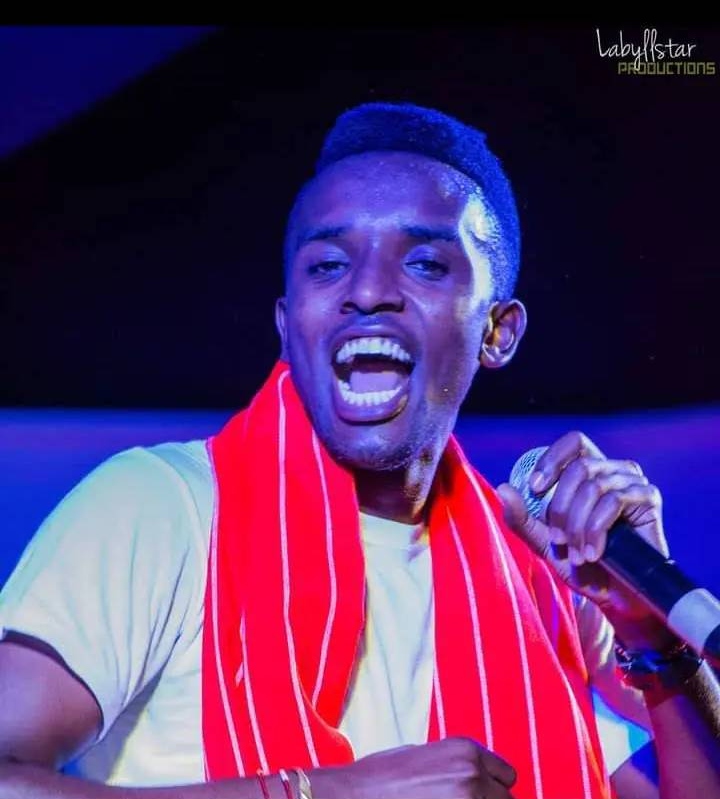
The detectives trailed him to his business premises in Nairobi CBD before arresting him for allegedly posting a series of videos on TikTok inciting civilians against police during the protests.
“Detectives trailed the suspect to Kimathi House, where he was operating a discreet office under the name LetaPeleka Logistics. He is currently in custody undergoing processing, pending arraignment.”
This arrest adds another layer to the ongoing narrative of the government’s response to the widespread demonstrations that have gripped the nation.

The protests, notably intensified around the symbolic ‘Saba Saba’ day on July 7th, have seen thousands of Kenyans, particularly the youth, take to the streets to voice their grievances.
The demonstrations are primarily fueled by public discontent over the rising cost of living, proposed tax hikes in the controversial Finance Bill, and allegations of police brutality. Cities and towns across the country, including Nairobi, Kisumu, Mombasa, Eldoret, and Nakuru, have witnessed a mix of peaceful marches and clashes between protesters and law enforcement.
The pervasive use of social media platforms, including TikTok, has played a crucial role in mobilizing participants and disseminating information, becoming a significant arena for public discourse and activism.

The human cost of these protests has been significant. According to the Kenya National Commission on Human Rights (KNCHR), an independent national human rights institution, the situation as of the evening of Wednesday, July 9th, indicates a grim toll.
The KNCHR reported that the death toll from the anti-government protests had risen to 31, marking the highest single-day count since the demonstrations began earlier this year. In addition to the fatalities, the commission documented 107 injuries, 532 arrests, and two cases of enforced disappearances.
The involvement of prominent online personalities and content creators, such as Kakan Maiyo, in these protests has brought a new dimension to public engagement and information dissemination. Their large followings enable them to reach a wide audience, often providing real-time updates and perspectives on events as they unfold on the ground.
This amplified reach, however, also places them under increased scrutiny from authorities. The DCI’s actions in relation to individuals perceived to be influential in the online sphere is seen as government’s move to manage and control the narrative surrounding the protests.
BY moses sagwe