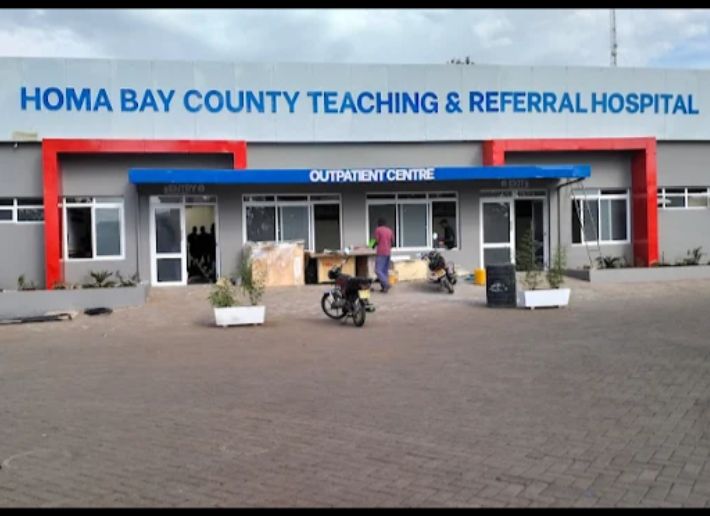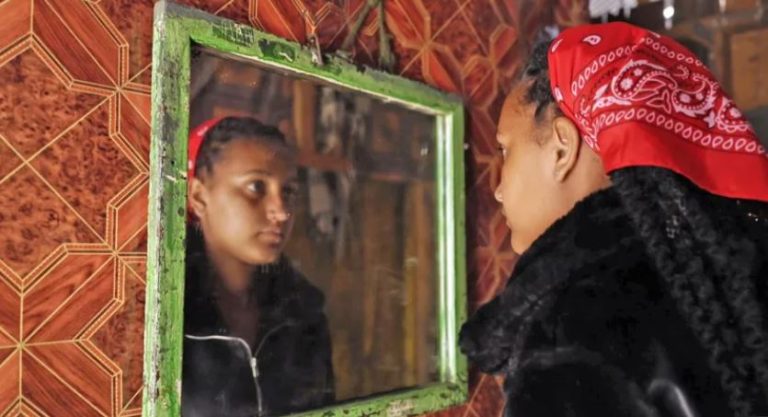


“Once it had dawned on me that I would be at the quarantine camp for weeks, and after all the drama that had drove me from Kenya, Spain, Italy and back, I decided to keep calm and watch the drama around me unfold.
Quarantine is not a picnic site. It is not a holiday camp. You are cut off — deliberately — from the outside world. Loneliness rules.
Quarantine. I had heard this word before. My kids were watching some Hanna Montana movie and I overheard them say someone had been quarantined. A boy.
He was sick and had to be isolated. He wouldn’t have contact with the real world till he got better. Now I was that person. Kept away from the rest of the world.
I needed a coping mechanism. The doctor who had initiated us into camp life had assured us that, being a government facility, stuff was free “unless other unforeseen costs would arise”.
I made myself comfortable in my room, unpacked my luggage and arranged my clothes into the wardrobe. Still, my fear of contracting the coronavirus engulfed me.


HIGH TEMPERATURE
All the inmates were high-risk. Especially those from China, the epicentre of the global outbreak. I saw a girl who had failed the temperature test at the airport and decided to get details of how she got to the camp.
She said she got dehydrated after she drowned herself in free alcohol on her flight from Addis to Nairobi. This, coupled with the fact that it was so hot at the Jomo Kenyatta International Airport, had raised her temperature to 39°.
I remembered how she had cried and how a security officer had pushed her away. It turned out that she asked for some cold water, splashed it on her face and drank the rest.
This reduced her temperature to at least 37°! Crazy stories inside this camp! What I realised was that keeping distance here was no option, but very few adhered to the rule.
We had to queue for food on a marked line. Nevertheless, majority of girls had found an opportunity to hook up with their “brothers from abroad”.
On the queue, I overheard some young girls over lunch saying that these ‘dudes’ from majuu still had their foreign cash. That it was in order to get as much quid from them as soon as possible.
In fact, one emphasised: “Before they got any contacts from their families” (insert flushed-face emoji).
BEST DISCOVERY
On the third day, we had our first briefing. All was well. Emphasis was on social distancing. Our personal responsibility to sanitise and wash hands was drilled into us — like we had forgotten! It reminded me of school assembly over three decades ago.
“How did I get myself in the mess?!” My inner voice pestered me. “How long will I listen to these monotones from health workers …with all these strangers.”
Around me were slightly over 130 people I may never have known. Why had I left home for Spain in the first place? I realised I was going insane by the minute.
Still, I kept close contact with my three friends. In fact, we had adjacent rooms and would interact over meals. Soon we made a discovery.
There was a Wi-Fi hub at the centre. This was the best discovery and people would converge there — keeping social distance of course — and get busy on their phones.
Over meals, we would keep the recommended distance and engage in friendly conversations. That is when I learned that people had no intentions of partying — as they did on first day — but that a little celebration for getting home safely was in order.
This was after Cabinet Secretary Mutahi Kagwe announced that people were partying with careless abandon.
NO APPETITE
All our food was packed. Plastic cans, tea urns and paper cups were the norm. Sugar, drinking chocolate, Nescafe, fruits all came in neat packs. Hygiene was observed.
There were litter bins all over and I noticed that, for the first three days, majority of the people were not eating at all.
They were just taking the beverages, fruits and water. As days went by, the appetite picked up, and on the fifth day I enjoyed some fish and ugali. This government facility wasn’t that bad after all.
I had not informed my friends of my arrival until the first night at the camp. I hadn’t answered calls nor replied to messages.
But why? It’s only after lunch on the first day that I realised that my mind, body and soul had disconnected completely!
Was I losing myself amid all this trauma? What exactly was going on? Is this the point where people see psychiatrists? Why couldn’t I feel my spirit?
Where was I in this? I didn’t feel like engaging in any conversation where one would ask me how I felt or where I was.
BIBLE STUDY
I would only key it in but speaking about it brought me some strange sadness. So I kept on updating my friends on Facebook, where I didn’t have to answer any questions.
Nights were strange since I had to keep to my room. There was no TV and no social interaction. It was just me and God. And that is when I realised how close God had always been.
That we have been very close friends. Very close. And that He’s always been there, taking me from turmoil to safety … and that even this would soon be over. With this, I made a decision.
I would seek like-minds here and engage in some kind of Bible study and prayer meetings. Indeed, I decided my coping mechanism would be speaking to God and finding my purpose.
That is how I and three other inmates embarked on a daily one-hour session of Bible study. Did it work? Did we really have like minds and purpose?”