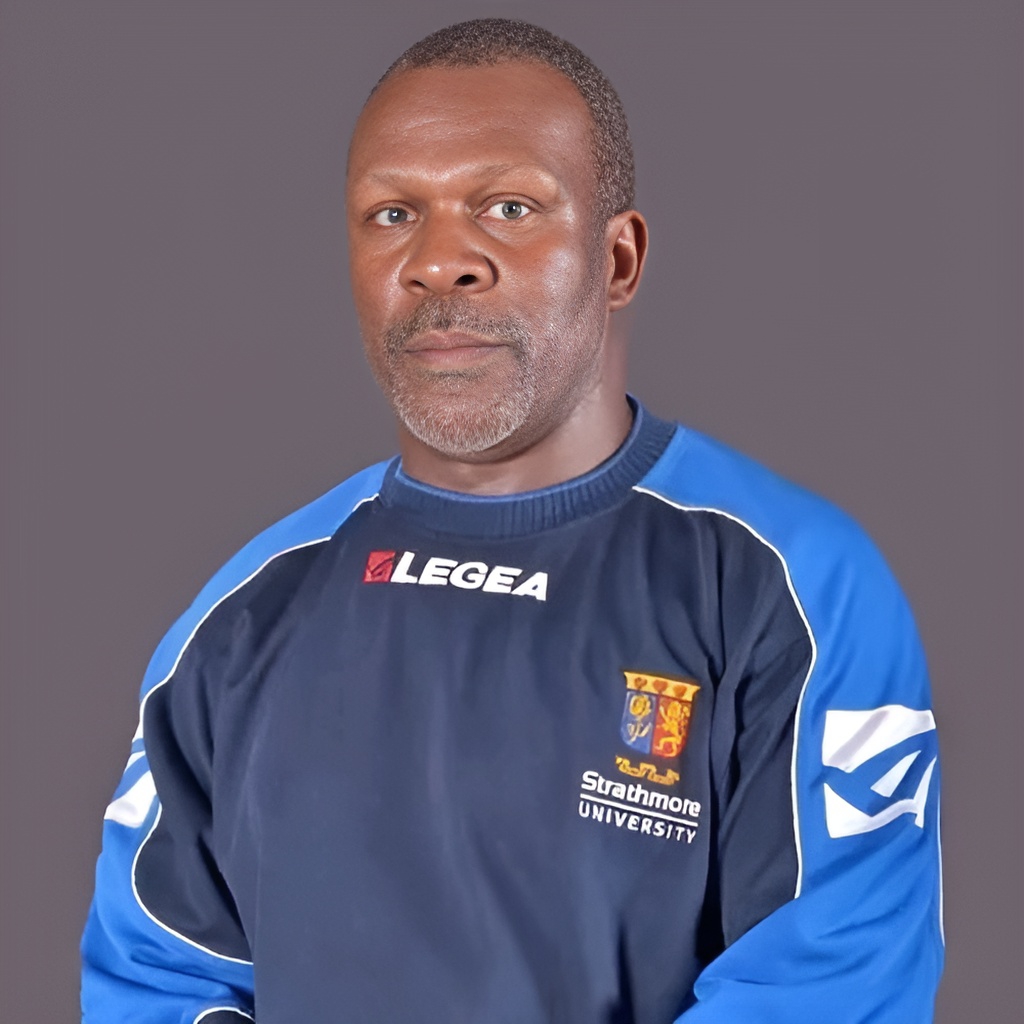
In the narrow alleys of Mariakani estate, Nairobi, a young boy chased a tattered ball with a hunger that made the sun rise late and set early in his mind.
Children weaved around him, their laughter echoing off corrugated roofs and dusty walls, but Mickey Weche moved differently. He was deliberate, calculating, as if he could read the invisible lines of the game that only legends see. His eyes, bright and unyielding, were always scanning, always anticipating.
It was in those streets that the boy who would become T9 learned the essence of football: anticipation, courage, and a relentless refusal to yield. The ball was not merely a ball—it was the axis around which his life would revolve, the first teacher of patience and persistence.
“I was born into a sporting family because my father played football and my mother was a netballer. So, kind of, it was a sports family,” Weche says, his voice softening as if he can still feel the echoes of that early world.
The rhythm of sports was encoded into his DNA, a cadence as natural as breathing. His father’s stories of matches played in dusty fields and his mother’s lessons on discipline and agility shaped him subtly, like a sculptor chiseling a block of marble. Every kick, every sprint, every scrape of knee on concrete became part of the apprenticeship of a future star.
Mariakani estate was alive with the music of football. Children darted in and out of makeshift goals, their shouts punctuating the dusty air. Among them, Weche already stood out—not merely for his skill, but for his awareness.
He could anticipate a movement, read a body’s intention, and react instinctively. Even then, there was an aura around him: a confidence that told those who watched that this boy would not be ordinary.
The nickname T9 would come later, born of admiration and a hint of fear, likening his tackling to the stray dogs of Tanzania, relentless and unyielding. It was a moniker that captured his very essence: fearless, intelligent, and utterly committed.
By the time he arrived at Dagoretti High School, football had transformed from playful pursuit to structured discipline. The dusty training grounds of Mackenzie Hughes, later absorbed into CMC Motors, became the proving grounds for raw potential.
“I started at Mackenzie Hughes. The team was taken over by CMC, but at the time it was Mackenzie Hughes, with training grounds in Ruaraka,” he recalls, a quiet pride threading his words.
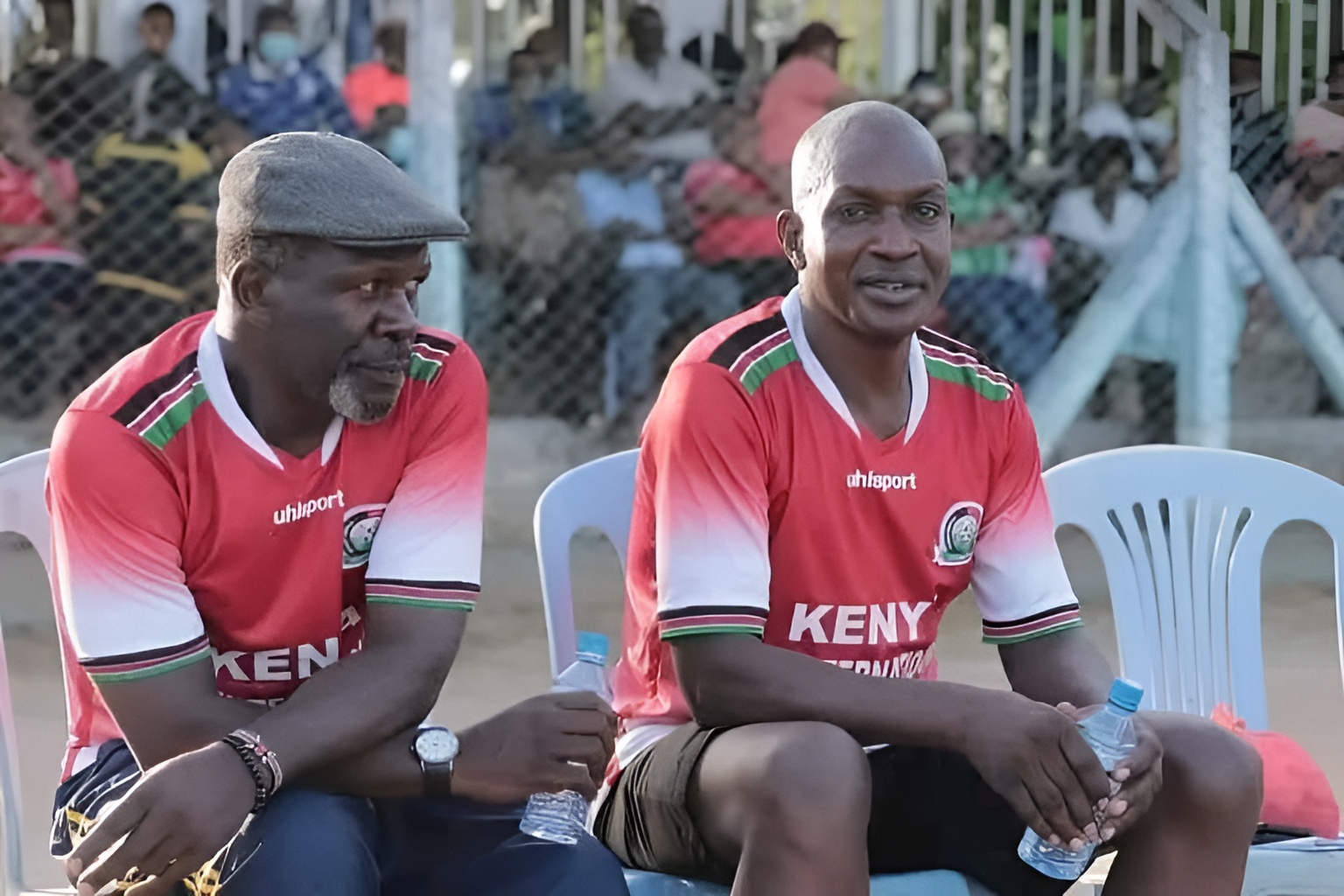 Mickey Weche and ex-Gor Mahia striker Peter Dawo during a local tournament/PETER DAWO
 The drills, the positional play, the repeated sprints under the unforgiving sun—they were exercises in patience, endurance, and mental focus. Each repetition, each corrected mistake, became a brick in the foundation of a career that would span decades.
Before the structured drills of high school, Weche’s life had already taken him across Nairobi, from Khalsa Primary to South B, then Riverbank Primary in Ngara.
At Riverbank, football ceased to be mere amusement and became a pursuit of possibility. The narrow streets became stadiums in miniature, and every match against older children or siblings was a lesson in composure and bravery.
Boarding school in Busia tested him further; here, football became survival. The rigid schedule of classes, chores, and dormitory life demanded resilience.
“From Riverbank Primary, I went to Ambura High in Busia. I struggled there; life in boarding school was tough. So I moved to Dagoretti High, and that became my true home. I stayed there until Form 4, then graduated and joined Mackenzie Hughes directly. At Mackenzie Hughes, I played as a striker,” he explains.
In that transition, the boy became a student of the game in its truest sense, absorbing lessons both on and off the pitch.
Mackenzie Hughes was where his talent began to attract attention. Coaches noticed his technical ability, his intelligence, his uncanny sense of timing. But it was more than skill—it was his understanding of the game as a narrative unfolding in real time.
He saw the spaces where others saw walls. He anticipated the movements of both teammates and opponents. The leap to AFC Leopards in 1984 was a gateway to legendary status, the stage where raw promise would transform into mastery.
Those were the golden years of Kenyan football, a time when the sport breathed life into the nation. Stadiums overflowed with fans who celebrated football as ritual, a congregation of voices united in anticipation, cheer, and occasional despair.
“Those were years when football was truly the people’s game in Kenya. Fans would give standing ovations when Ingwe players entered the pitch,” Weche says.
The energy of the crowd, the vibrating terraces became a pulse that synchronised with the players’ own heartbeat, a living rhythm that elevated ordinary moments into heroic narratives.
AFC Leopards of that era were constellations of talent: Mahmood Abbas, JJ Masiga, Josephat Murila, Wilberforce Mulamba, John Arieno, Abdul Baraza, Haggai Mirikau, Tony Lidonde. Each name carried weight, history, and expectation. Integrating into this galaxy required more than technical skill; it demanded mental acuity, humility, and resilience.
“This team had collective strength and was something special. They set fans alight. They had won the CECAFA championship in 1980, 1981 and 1982,” he says.
For the young Weche, the challenge was not just to fit in, but to thrive, to find his voice among giants. He began as a substitute, absorbing, learning, watching the choreography of mastery. JJ Masiga and Tony Lidonde were anchors, and Weche learned from their poise and precision. Yet it was his adaptability that would define him.
“I was able to play in more than one position effectively because I possessed intelligence and awareness on the pitch, flexibility of positions and learning from the best,” he explains.
Whether fullback, midfielder, or in the defensive core, Weche read the game like a map, positioning himself where he was most needed like a chess player, who always steps ahead.
Mahmood Abbas, the legendary goalkeeper, became a mentor whose influence extended beyond technical instruction.
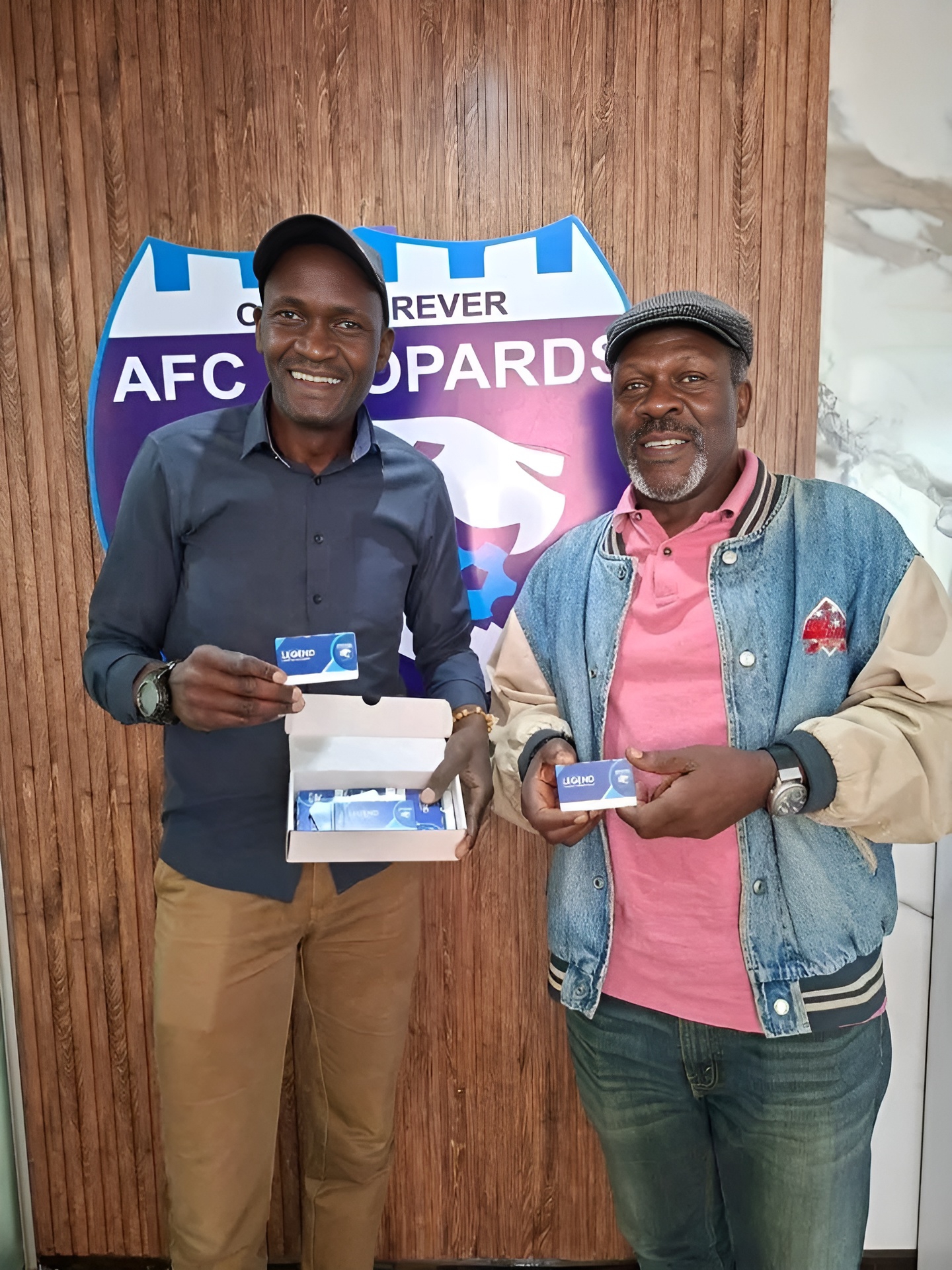 Weche with AFC Leopards chairman Boniface Ambani during the club’s recent event/BONIFACE AMBANI
 “I owe my football prowess as a defender to the supremely talented goalkeeper Mahmoud Abbas. He helped me become a cornerstone in defence in not only AFC Leopards but also Harambee Stars. Abbas controlled the defence and created awareness. He had a unique communication skill on the pitch that was second to none. He had been in the national team, and his experience nurtured me a lot,” Weche recalls.
Abbas’s guidance taught him the language of defence: anticipation, communication, and spatial intelligence. Alongside him, Josephat Murila—known as Controller—instilled the art of calculated defending.
“Josephat Murila, ‘Controller’, was the perfect example of a role model to me. I learnt a lot of things from this extraordinary defender, such as defending with intelligence, calculated interceptions, great timing when tackling, so minimum fouls. I learnt the most from Murila. He never shouted at players. He called you and advised you. He was a great teacher,” Weche reflects.
The lessons were subtle but transformative, shaping not just technique but mentality, teaching him that true defence was as much cerebral as physical.
Versatility became his signature. Injuries to teammates became opportunities to demonstrate intelligence, adaptability, and courage. When Pius Masinza was sidelined, he took position 2.
When Murila was absent, Weche anchored the defence. When Baraza was unavailable, he shifted seamlessly to midfield. “I could play multiple positions effectively,” he says. Each position tested him, each switch sharpened his awareness, solidifying his reputation as a tactical polymath on the pitch.
The AFC Leopards squad was deep, layers of talent pressing on each other, forcing constant excellence. Aggrey Lukoye, Patrick Shilasi, John Lukoye, Michael Amwayi, Wycliffe Anyangu, and Hassan Juma—each brought unique challenges and strengths.
“These are the days when a coach would toss a coin to make a choice when more than one player played in the same position. There will never be such a strong Ingwe squad like that one. They are the players we wish we were,” he recalls. Every match was a lesson in competition, camaraderie, and collective brilliance.
National duty soon followed. The All Africa Games in 1987 and the 1992 AFCON in Dakar, Senegal, brought the continent’s best against him. Nahashion Oluoch “Lule,” Ben Oloo “Breakdance,” Alfayo Odongo—they tested every facet of his defensive skill.
“While marking him, I put my eyes on the ball and did not concentrate on his body, which usually deceived his markers. That’s how I managed to tame him. Another local player who was tough to mark was Alfayo Odongo (RIP). Alfayo had a magical left foot and was a great dribbler,” he recalls.
Every challenge refined his craft, teaching him that intelligence, not brute force, often decides outcomes. Even continental stars felt his presence. Kateregga of Uganda, Kalusha Bwalya of Mufulira Wanderers, and George Weah of Liberia—players whose names echoed in football history.
“Kateregga disappeared since he was not brave,” Weche remembers, reflecting on a match where anticipation and courage subdued raw talent.
“Kalusha Bwalya and King George Weah caused mayhem and were a nightmare in our defence. Luckily, in the match between Kenya and Liberia, Austin Odwour and I tamed the football icon,” he adds, the pride in his tone betraying the immense satisfaction of overcoming giants.
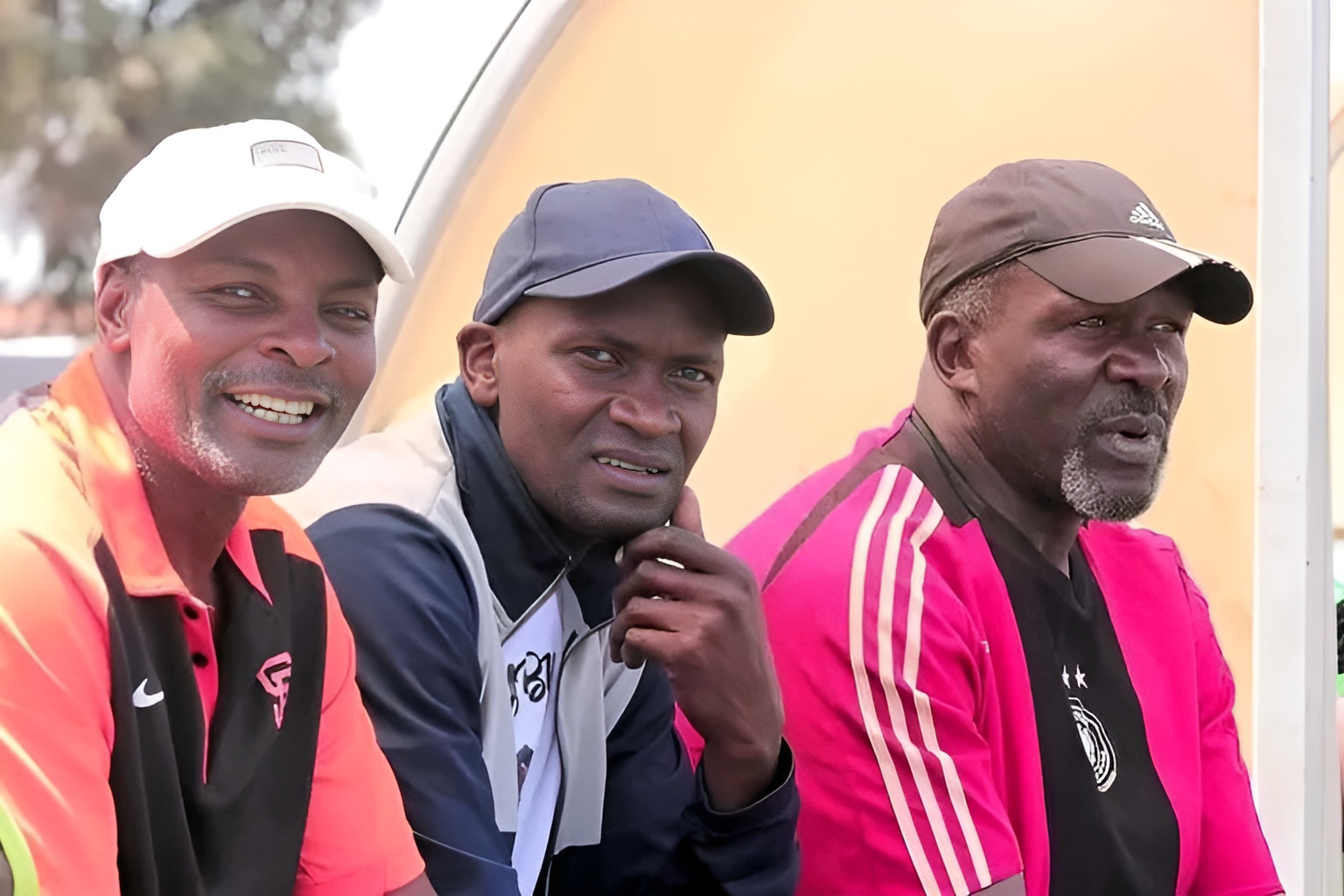 Weche with Ambani and ex-Leopards legend James Nandwa/BONIFACE AMBANI
 Abroad, in Oman, the professional realm demanded discipline and refinement. Al Ittihad was a new classroom, exposing him to standards beyond the Kenyan leagues.
“In Oman, I played with other Kenyans, namely Gabriel Olang, Vitalis Owuor, David Akui (RIP), Henry Motego ‘Ndovu’, Bernard Otieno (RIP), and Douglas Mutua. That was a full professional experience, more than semi-professional. I played in Salalah, Oman, for two years, finished well, and then returned home,” he recounts.
Each session, each match, added layers of understanding and skill, broadening his perspective on the global game. Coaching became the next chapter, a way to transform lessons learned into guidance for the next generation.
“Being the captain of AFC Leopards and Harambee Stars in my heyday was not by accident. I am by all means a born and made leader,” he says.
At Strathmore University, Thika United, and beyond, Weche’s philosophy—discipline, intelligence, adaptability—became teaching, shaping young talents for years to come.
He credits mentors, including Gerry Saurer, Chris Makokha (RIP), Robert Kiberu (RIP), Graham Williams, Marshall Mulwa, Reinhardt Fabisch (RIP), and Charles Kumi Gyamfi (RIP), who shaped him.
“Gyamfi conducted coaching courses for players after the end of the season. This helped us to understand different football systems easily. I used these skills to coach in the estate I lived in. Gyamfi was a father figure,” Weche reflects, reverence in every word.
The lessons went beyond football—they were about leadership, perspective, and passing knowledge forward.
Even now, T9’s shadow looms over Kenyan football. “I tackled hard, players who wanted to show the crowd that they were good. I tackled them hard to show the crowd that ‘T9’ was present,” he says.
His story is one of passion, intelligence, and unyielding commitment—a blueprint for generations that followed.
From the dusty Nairobi streets to national glory, from continental battles to professional stints abroad, Mickey Weche’s journey is a testament to the power of discipline, mentorship, and vision.
Decades later, he remains a symbol of Kenyan football, a living legend whose impact resonates in every corner of the game he helped define.
by TONY MBALLA