

Kenya plans to open new oil and gas exploration blocks in the second half of the year, amid increased appetite for the country’s upstream petroleum industry.
The Energy and Petroleum Regulatory Authority (EPRA) is setting up a national petroleum data centre to support bidding.
The move follows a major restructuring in the petroleum sector which included reconfiguring of oil and gas blocks, in line with exploration potential and international best practice.
The reconstitution created 50 high-potential blocks, from 63, particularly in the transition zone, offshore Lamu, and the Anza Basin, signaling new opportunities for investment and exploration.
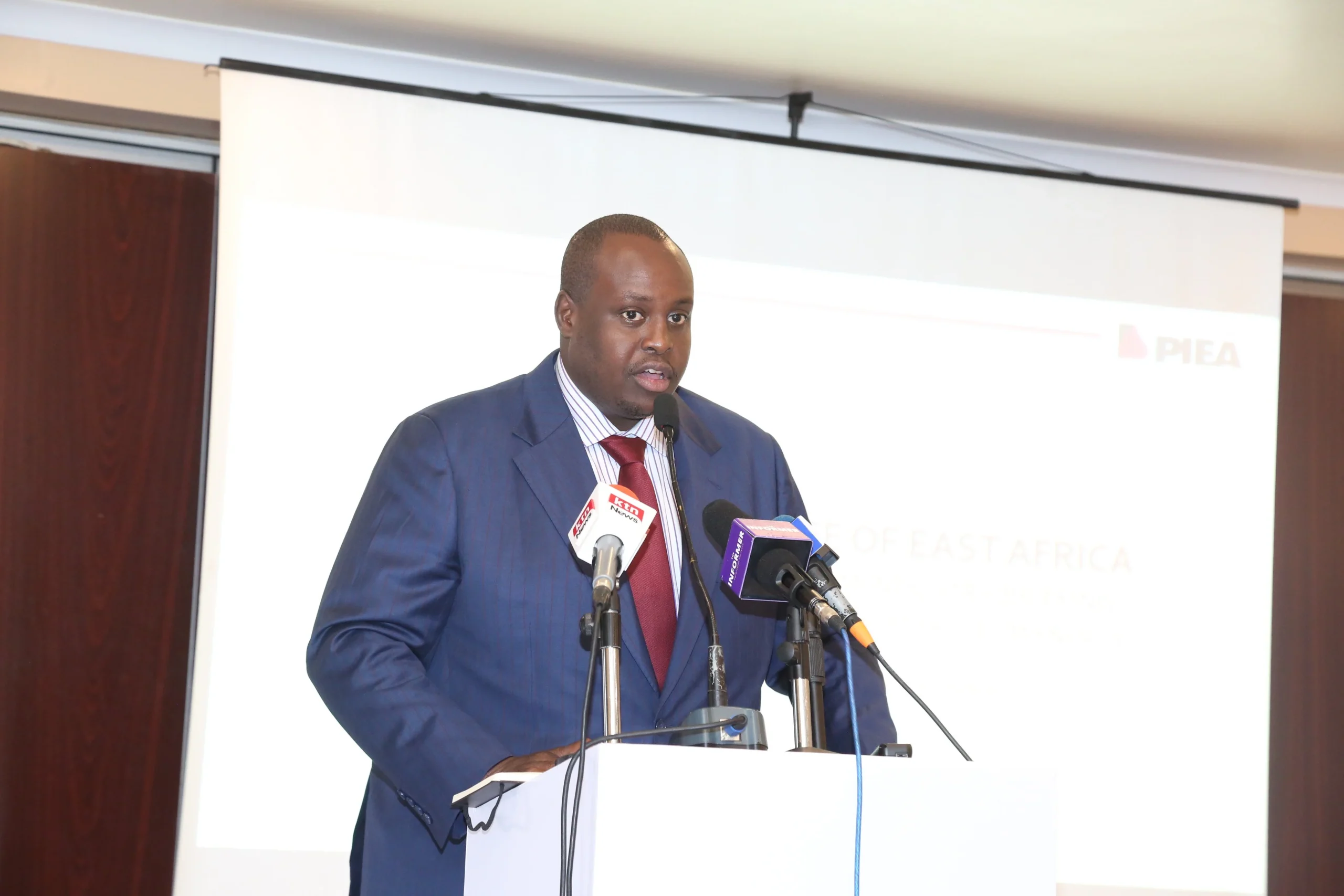
Speaking during an interview with the Star in Nairobi, centre, EPRA director general Daniel Kiptoo said the data centre will be a critical enabler ahead of planned bid rounds.
This is in the wake of a renewed global appetite for oil and gas exploration following shifts in international financing and energy policy.
“We are seeing a lot of interest from both national oil companies and private sector players from different regions of the world, but competition for capital remains intense. This capital is looking for a home and it is not only Kenya. It comes down to how you market yourself and what incentives you give,” Kiptoo said.
Kenya had in the last five years faced significant investor withdrawals in the petroleum industry, including Tullow Oil’s sale of the Lokichar-Turkana oil project, as banks and financiers grew reluctant to support new oil and gas projects.
This is particularly in frontier markets amid climate change concerns and the global energy transition.
“Banks were not willing to finance new oil and gas projects. But now, with the ‘drill, baby, drill’ push, there has been a lot of opening up of the upstream. This presents a window of opportunity for Kenya to market its blocks,” he said.
“It is not only the blocks in South Lokichar. We are working with the ministry so that, as the regulator, we can prepare bid packages and take them to the market. That is where our focus is in the upstream right now,” he said.
The Energy ministry had ealier indicated at least 10 new oil and gas blocks would be opened to investors in 2026 through competitive bidding.
Of the 50 reconstituted blocks, 29 are in the Lamu basin (both onshore, offshore and transition), the Tertiary Rift has 12 block, Anza Basin (6) and Mandera Basin (3).
Kiptoo said the changes were necessary to make Kenya more competitive in attracting risk capital.
“We are a frontier destination. We don’t yet have widespread commercial reserves or the infrastructure, that is pipelines and refineries that make it easier to invest. So we are competing with other markets and we need to offer a deal that allows companies to come into the country,” he said.
The reconstitution of the blocks was undertaken in line with Section 15(1) of the Petroleum Act, 2019, which allows the Cabinet Secretary, in consultation with the National Upstream Petroleum Advisory Committee, to redefine petroleum blocks through a Gazette Notice.
Key considerations included merging low- and medium-prospectivity blocks to improve chances of success, designing high-prospectivity blocks to attract investors, optimising block sizes to make work programmes manageable, and ensuring continuity between onshore and offshore blocks in transition zones.
The exercise also prioritised areas with stronger geoscientific indicators of hydrocarbons and redistributed acreage based on lessons from past well results, some of which yielded limited or no commercial finds.
With the planned data centre and revised block map, EPRA and the Ministry of Energy and Petroleum are betting that Kenya can reposition itself as a credible destination for upstream oil and gas investment in a changing global energy landscape.
Meanwhile, the country has set an ambitious target of beginning commercial oil production and first exports from the Turkana South Lokichar basin in December this year or early 2027, following the takeover of the project by Gulf Energy from Tullow Oil.
The initial phase (2026-2032) is expected to produce 20,000 to 50,000 barrels per day (bpd) before scaling up to over 60,000 bpd.
The Field Development Plan (FDP) is currently awaiting Parliamentary approval, with a final decision expected anytime, to keep the project on track for a December 2026 commercial production target.
by MARTIN MWITA