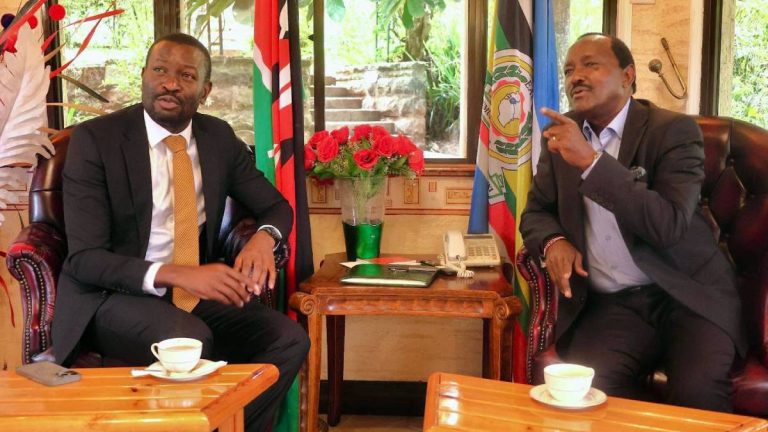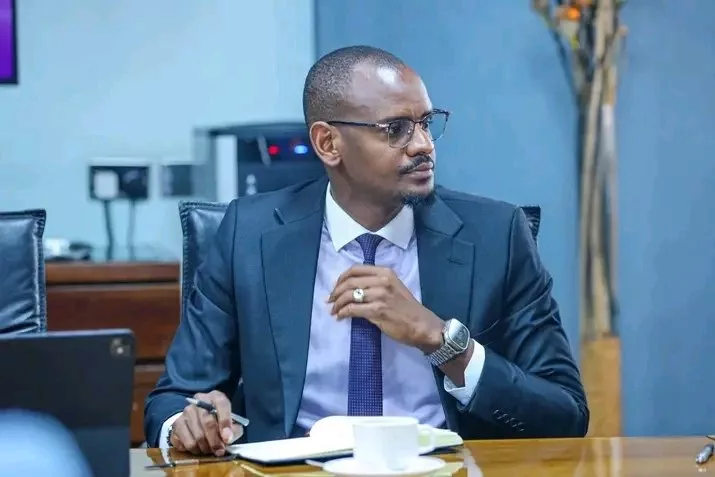

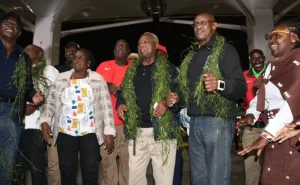

Kakamega Deputy Governor Ayub Savula has proposed allocating one per cent of the 16 per cent Value Added Tax to a dedicated education fund.
He said the fund would ease access to education for learners from poor backgrounds. Savula was addressing mourners in Machakusi, Teso South, in Busia county.
He said a stable education fund was needed to make learning accessible, reduce the financial burden on parents and ensure consistent support for needy students, unlike the current bursary system.
Savula said the fund should be ring-fenced, similar to protected infrastructure funds, to safeguard resources meant for capital development.
“This will ensure Kenyan children learn for free in primary and secondary schools. It will ease the burden on parents and give them time to save for college and university education,” he said.
Savula said the fund, together with existing bursary allocations, would have a major impact on the education sector.
The deputy governor called for the scrapping of the current bursary model, saying it had failed the test of time.
“It has proven ineffective in supporting education optimally, leading to many school dropouts,” he said.
Savula said many Grade 10 students were yet to report to their new schools because parents could not raise fees.
This comes even as Education CS Julius Ogamba announced that transition to senior secondary schools had reached 98 per cent.
Savula said gaps left by the bursary system were frustrating the government’s push to achieve 100 per cent transition from junior to senior secondary schools.
Meanwhile, he urged churches to bar politicians who preach division from the pulpit in the interest of national security.
Savula said leaders who disrespect the sanctity of worship should not be accommodated in religious spaces.
“The presence of such leaders often leads to turmoil that harms the most vulnerable members of the congregation. The rightful role of politicians is to shape public policy constructively,” he said.
“This involves identifying societal challenges and responsibly developing, implementing and evaluating laws for the common good.”
He said political leadership should be guided by clear and principled agendas focused on public service, not division or incitement to chaos.
by HILTON OTENYO