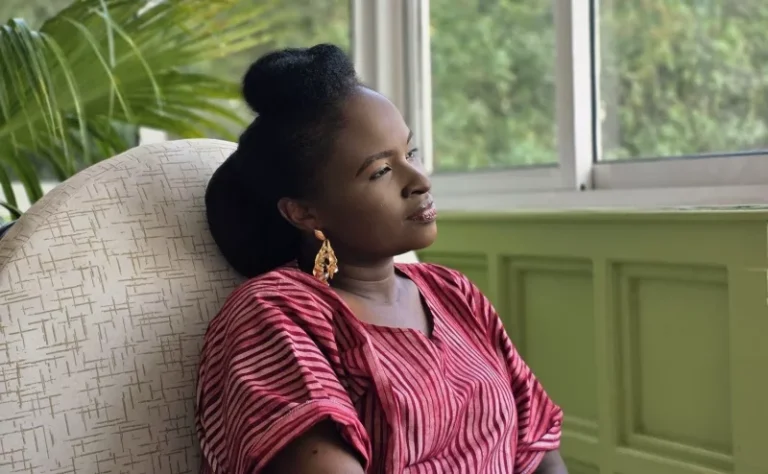

In a story that has captivated and divided Kenyans across social media, 22-year-old Marion Naipei has publicly addressed the controversy surrounding her now-viral videos, framing them as part of her past life and announcing a personal turn toward faith and spiritual renewal.
The social media personality recently used her Instagram platform to state that the videos circulating online are from her past, emphasizing that she has “given her life to God” and posed a striking challenge to her critics:
“Kama kuna limit ya kuokoka mniambie” — loosely translated as “If there’s a limit to being saved, please tell me”.
This declaration signals not only a plea for empathy but a dramatic attempt to shift the narrative toward personal redemption and spiritual rebirth.
Marion’s faith journey began amid the intense scrutiny that followed the release and spread of explicit videos showing her in a vulnerable situation at a Nairobi entertainment venue.
Kenyan authorities and public figures have condemned the circulation of the footage, with the Government’s Ministry of Gender, Culture, and Children Services issuing strong warnings against sharing such content, citing violations of constitutional rights to dignity, privacy, and bodily autonomy.
A Controversy That Sparked Legal and Social Debate
The saga began when private clips featuring Marion started trending widely on Telegram and other social platforms, leading to public outcry, legal attention, and debates on consent and digital privacy.
Initially described as recorded without her consent, authorities, advocates, and civil society leaders urged Kenyans to stop disseminating the footage and respect personal rights — a stance grounded in both law and ethical standards.

Adding further complexity, some online reports — have suggested that the videos may have originated from Marion’s own device before being widely shared online, according to recent claims tied to forensic examination by Kenya’s Directorate of Criminal Investigations (DCI).
These developments have complicated the narrative and inflamed public reactions on social networks.
Turning to Faith — Church Support and New Beginnings
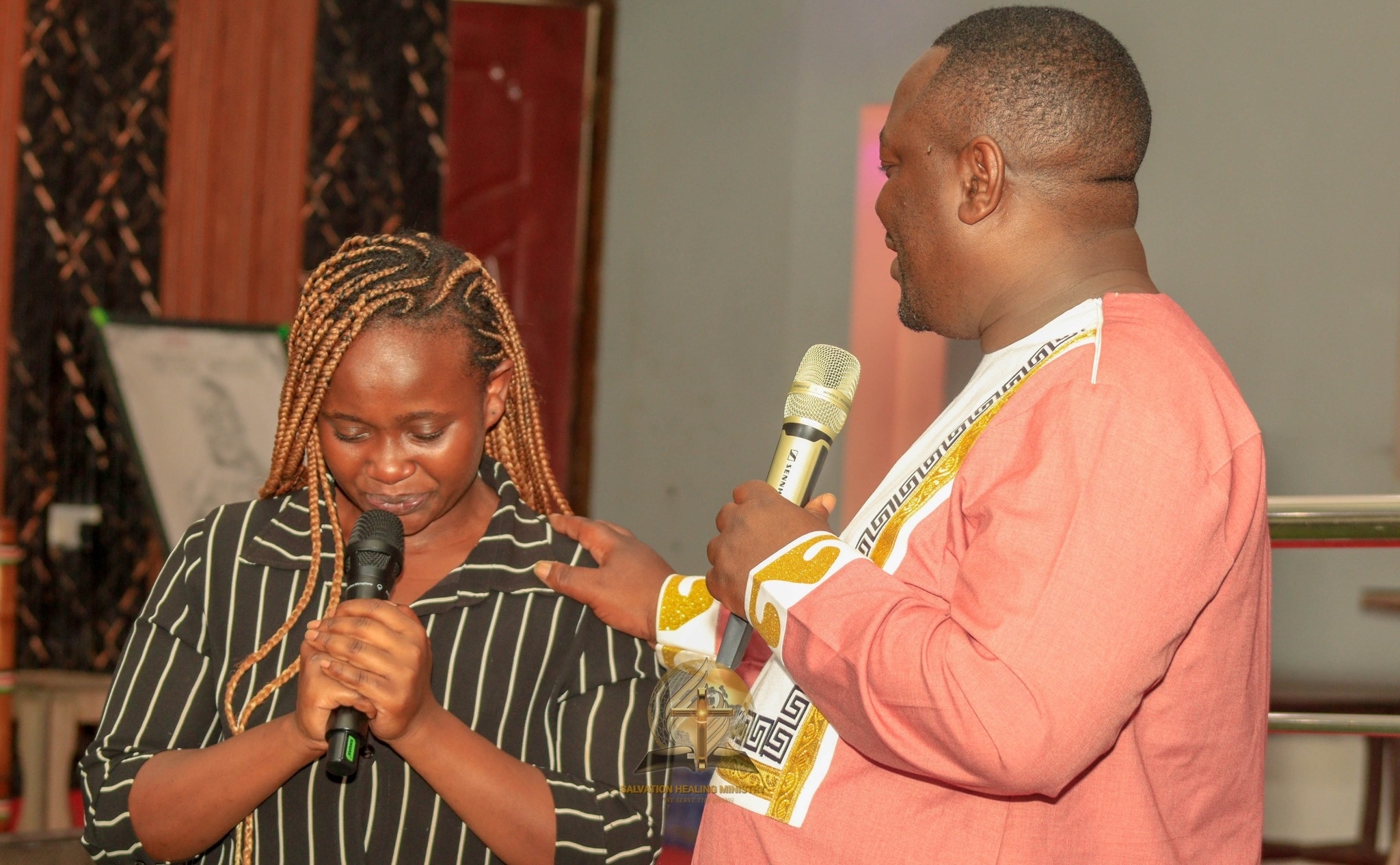
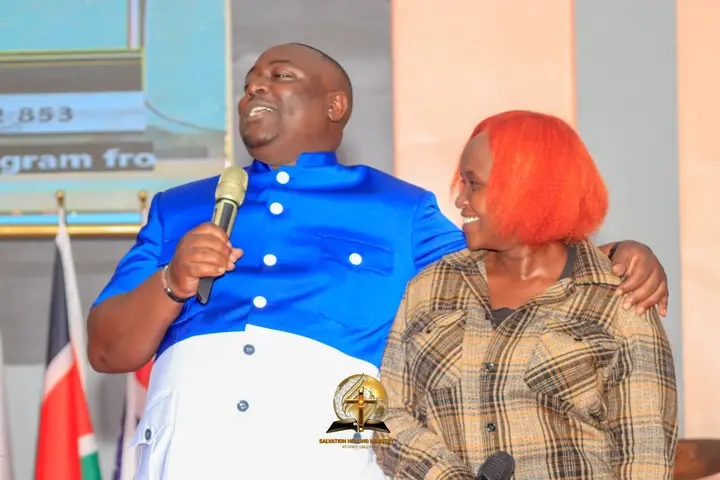
Amid this maelstrom, Marion attended a church service at Pastor Victor Kanyari’s Salvation and Healing Ministry in Nairobi, where she shared her experience and commitment to her newfound faith.
She described feeling touched and “saved” after receiving prayers, stating that she had not previously been “saved” but had since accepted Jesus into her life.
Pastor Kanyari, a figure both celebrated and criticized in public discourse, publicly embraced Marion at the service and even announced intentions to ordain her as a pastor within the church’s ministry.
According to Kanyari, her spiritual transformation and resilience amid online criticism demonstrated qualities he believes are essential for pastoral leadership.