


Rehabilitation works have officially begun at the South West Kano Rice Scheme in Kisumu county, marking a renewed effort to unlock the project’s vast potential and significantly boost rice production in western Kenya.
The scheme has the capacity to support more than 20,000 acres under rice cultivation. However, years of underutilisation, largely due to unreliable water supply, have left only about 3,000 acres in active production.
The rehabilitation comes at a critical time for Kenya’s food security. The country produces an estimated 300,000 tonnes of rice annually against a national demand of about one million tonnes, forcing the government to bridge the deficit through imports.
Poor performance at several rice schemes in Western and Nyanza regions, often linked to inadequate and inconsistent irrigation water, has been cited as a key contributor to the shortfall. At South West Kano, the focus has now shifted to restoring and expanding irrigation infrastructure to bring idle land back into production.
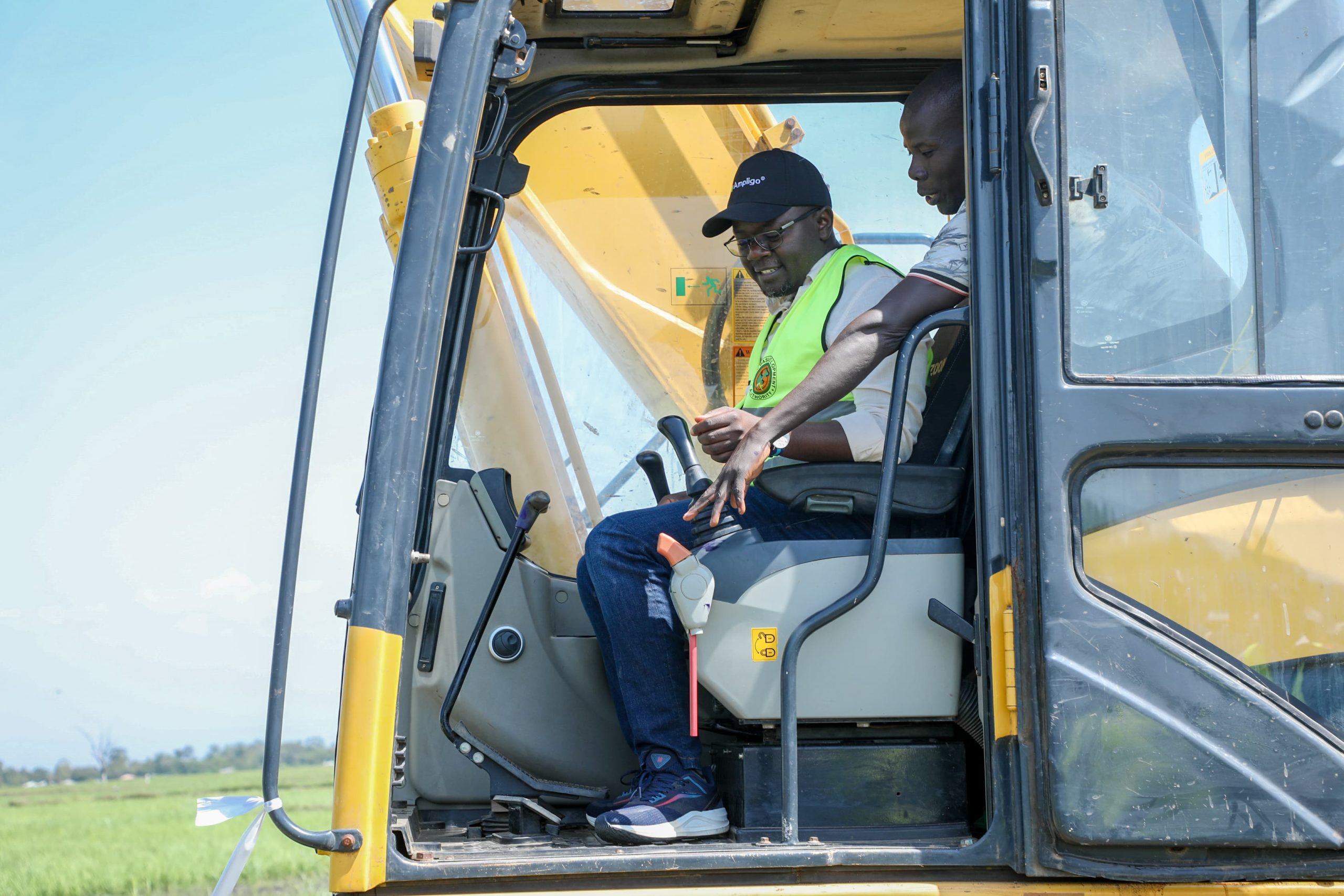
Speaking during the commissioning of rehabilitation works at the Dajo Sub-Scheme, Lake Basin Development Authority chief executive officer Wycliffe Ochiaga said the exercise will begin with the rehabilitation of a major canal stretching over 20 kilometres.
“South West Kano has several sub-schemes, and today we are at the Dajo Sub-Scheme to commission the rehabilitation of this canal. We expect the work here to take about two weeks before moving to other sub-schemes,” Ochiaga said.
The broader rehabilitation programme across rice-producing areas in Nyanza and Western Kenya is estimated to cost about Sh3 billion. According to Ochiaga, Sh30 million has been spent at the South West Kano scheme over the past three months, mainly to support the mopping up of paddy rice.
During the last financial year, the National Treasury allocated Sh70 million to LBDA for similar interventions.
Beyond infrastructure, the programme is also addressing structural challenges that have long constrained rice farming in the region. Ochiaga said consultations held last year between LBDA and local leaders identified limited market access, inadequate farm inputs and a lack of certified, climate-resilient seeds as major obstacles facing farmers.
“Today, we are launching a programme to respond to these challenges,” he said.
“With improved water supply, better access to markets and support from our leaders, rice production in this region has already started to improve. Over the past six months, these efforts have helped reduce reliance on imports and increased household incomes,” he added.
The initiative is being financed through a mix of LBDA’s internally generated revenue, allocations from the National Treasury and support from national and private sector partners. LBDA has also coordinated closely with local authorities to ensure smooth implementation and to mobilise additional resources to open blocked and silted canals.
A key component of the rehabilitation drive is a new partnership with private sector players aimed at strengthening the rice value chain. The collaboration focuses on improving market access for farmers, equipping them with modern farming skills and deploying technology, including spraying drones, to protect crops from destructive birds and pests.
John Kanyi, a project manager at Greentech, said the initiative is designed to cover up to 50,000 acres across several counties, including Siaya, Kisumu—particularly the Lower Kuja area—and Homa Bay.
The programme is also estimated to cost about Sh3 billion and is partly financed through previous allocations from financial institutions.
“The overarching goal is to develop this land and create opportunities for production and marketing through private sector engagement,” Kanyi said.
“This is a deliberate government effort to ensure local resources are effectively utilised to drive agricultural growth,” he added.
Local leaders have welcomed the rehabilitation works, describing them as a long-overdue intervention that could transform livelihoods in Nyando and neighbouring areas.
Nyando MP Jared Okello said many canals in the region are blocked or clogged, preventing water from reaching farms.
“Together with LBDA, the national government and other partners, we will work to ensure every piece of farmland is put to productive use,” Okello said.
“Nyando has vast tracts of land suitable for rice and horticulture, and improving irrigation will directly raise the living standards of our people,” he added.
Okello said agriculture remains one of the most reliable sources of income in the region and aligns with President William Ruto’s manifesto on food security. He added that Parliament would push for adequate budgetary allocations to address food shortages, particularly in flood-prone areas such as Nyando.
To complement canal rehabilitation, the government is also implementing a diking project stretching from Ogenya to Nyamuare to mitigate perennial flooding. According to Okello, the combined impact of flood control measures and improved irrigation infrastructure will help stabilise agricultural production and ensure long-term sustainability.
As rehabilitation works roll out across South West Kano and other schemes, authorities are urging farmers to actively participate and collaborate with development partners. LBDA says with reliable water supply, better inputs and stronger market linkages, the region could play a much larger role in closing Kenya’s rice production gap and reducing dependence on imports.
by FAITH MATETE