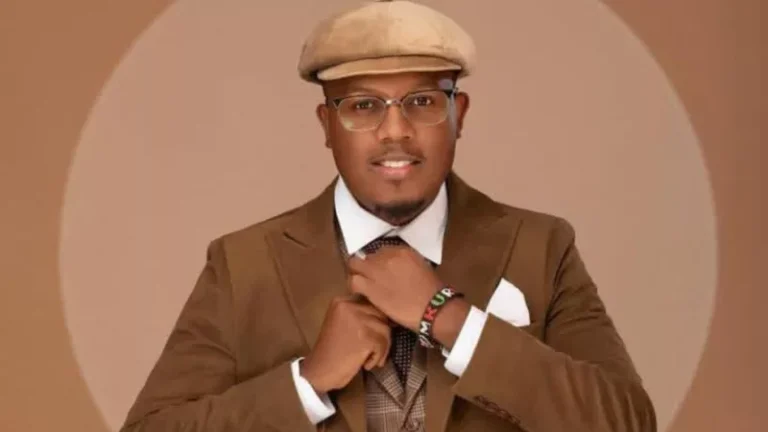



A video clip of popular Kenyan artist Fathermoh making controversial remarks about dowry has recently resurfaced online.
It is stirring intense debate and criticism across social media platforms. In the clip—believed to have been recorded some time ago—Fathermoh is seen firmly asserting that he will never pay dowry.

He describes the practice as outdated. He implies that men who insist on it are merely showing off.
He calls himself “the prize,” framing the conversation around self-worth rather than traditional expectations.
“I can never pay dowry. The day I will take my partner to their parents and they tell me this is the amount of dowry to pay; that’s the day I will leave her there and take the money to my father. I’m the prize.”
Why the Uproar Now?
The resurfacing of the clip has provoked a fresh wave of public reaction. The comments are being shared widely across various social media platforms.
Supporters argue that Fathermoh is challenging entrenched cultural norms. These traditions often place undue financial pressure on men.
They see his statements as part of a growing movement rejecting burdensome traditions associated with marriage.
Critics, however, accuse him of being hypocritical or reckless. Some argue that refusing dowry outright dismisses the social and cultural roles the practice plays.
This is particularly true in communities where bride price is an important symbolic gesture of respect to a woman’s family.

Others suggest that such sweeping remarks may alienate potential partners or estranged communities.
“He calls himself the prize, but he is dismissing a core part of respect for a woman’s family. That’s not self-worth, that’s arrogance,” one critic posted.
“Fathermoh is right. Dowry has become a business transaction and a barrier to marriage for many young men. It needs to stop,” a supporter countered.
Broader Cultural Implications
As of now, Fathermoh has not issued any fresh response addressing the renewed uproar. Kenya and many African nations continue to grapple with evolving attitudes toward dowry and bride price.
While some view the tradition as a cultural anchor and symbol of commitment, others see it as a financial barrier to marriage or a contributor to gender inequality.
Public conversations like the one sparked by Fathermoh’s resurfaced comments reflect deeper tensions between tradition and modernity.
For many young people, the debate is no longer just about whether dowry should exist. It is about how it should evolve, who should bear the cost, and how respect, dignity, and equality factor into the changing institution of marriage.
The resurfaced clip forces the conversation back into the public eye
by eugene okumu
.