


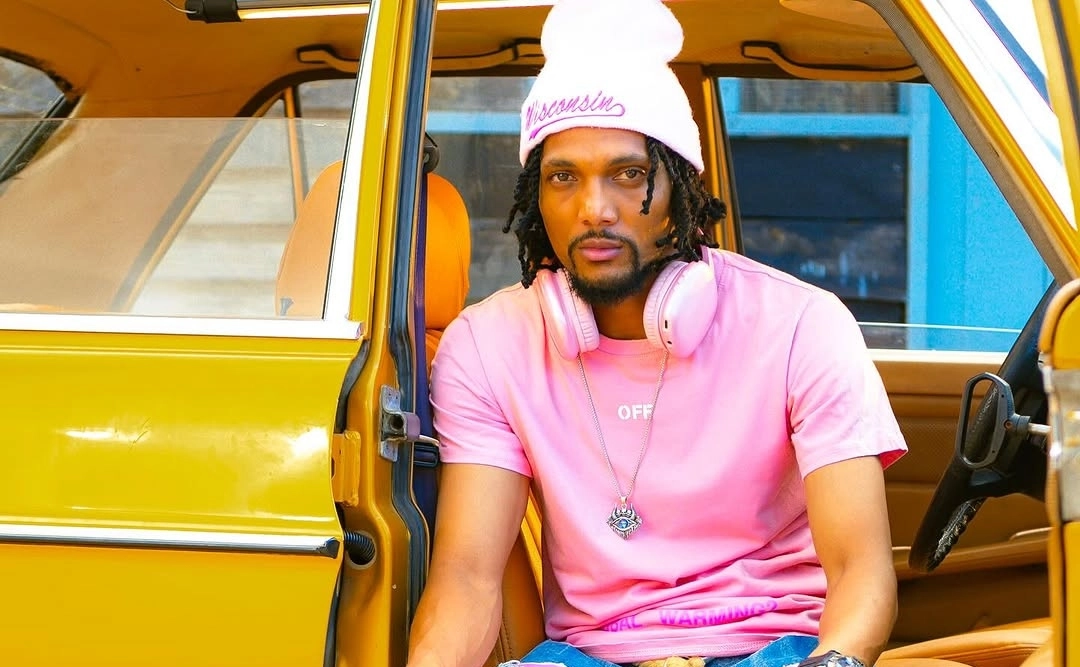
Kenyan musician KRG The Don has reignited debate about the state of royalties in the local music industry after revealing that he received just KSh 3,214 as his annual payout.
The artist, known for his flashy lifestyle and outspoken personality, took to Instagram to share a screenshot of an M-PESA message from the Performing and Audio-Visual Rights Society of Kenya (PAVRISK).
He accompanied the post with a heavy dose of sarcasm:
“I have just received my full year salary (3.2 billion 😂) for being an artist in Kenya.”
Industry Shock
The revelation quickly spread across social media, sparking widespread disappointment among fans and fellow creatives. For an artist of KRG’s stature — with hit songs, collaborations, and a significant online presence — the figure appeared alarmingly low.
Many saw it as proof of what has long been whispered in Kenyan entertainment circles: that royalty distribution systems are flawed, opaque, and deeply unfair to artists.
Fans and Artists React
Kenyans online wasted no time in expressing their frustration and sympathy. Some argued that if a high-profile artist like KRG could receive such a small amount, the situation for less popular musicians must be dire.
“If KRG is getting 3k, what about the upcoming artists? This system is broken,” one fan posted on X.
“This is why Kenyan artists rely on shows and endorsements. Royalties don’t pay bills,” another added.
Several musicians also joined the conversation, echoing KRG’s sentiments and calling for greater transparency and accountability from rights management organisations.
The Bigger Picture
The Kenyan music industry has for years battled with challenges in royalty collection and distribution. Despite the growth of digital streaming platforms like YouTube, Spotify, and Boomplay, many artists claim they rarely see fair compensation for their work.
Industry stakeholders point to issues such as:
Weak enforcement of copyright laws.
Poor systems for tracking airplay and streaming.
Allegations of mismanagement within collecting societies.
This has left many Kenyan artists relying heavily on live performances, brand endorsements, and appearances as their main sources of income.
A Call for Reform
KRG’s revelation has reignited calls for reforms in Kenya’s royalty system. Industry experts argue that without proper structures, creativity risks being undervalued and talented artists may shy away from pursuing music full-time.
Some have suggested that the government and private sector should step in to modernise the system, ensuring that artists earn fairly in the digital era, where music consumption is higher than ever.
By Judy mutinda