



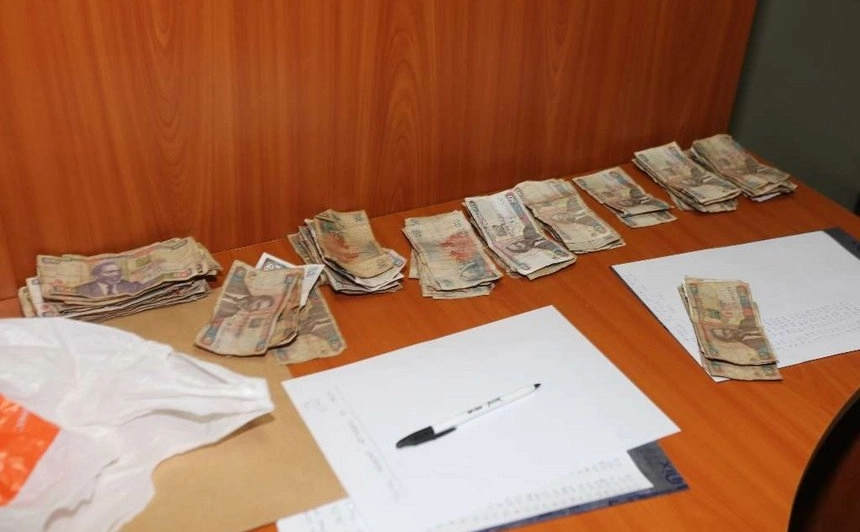
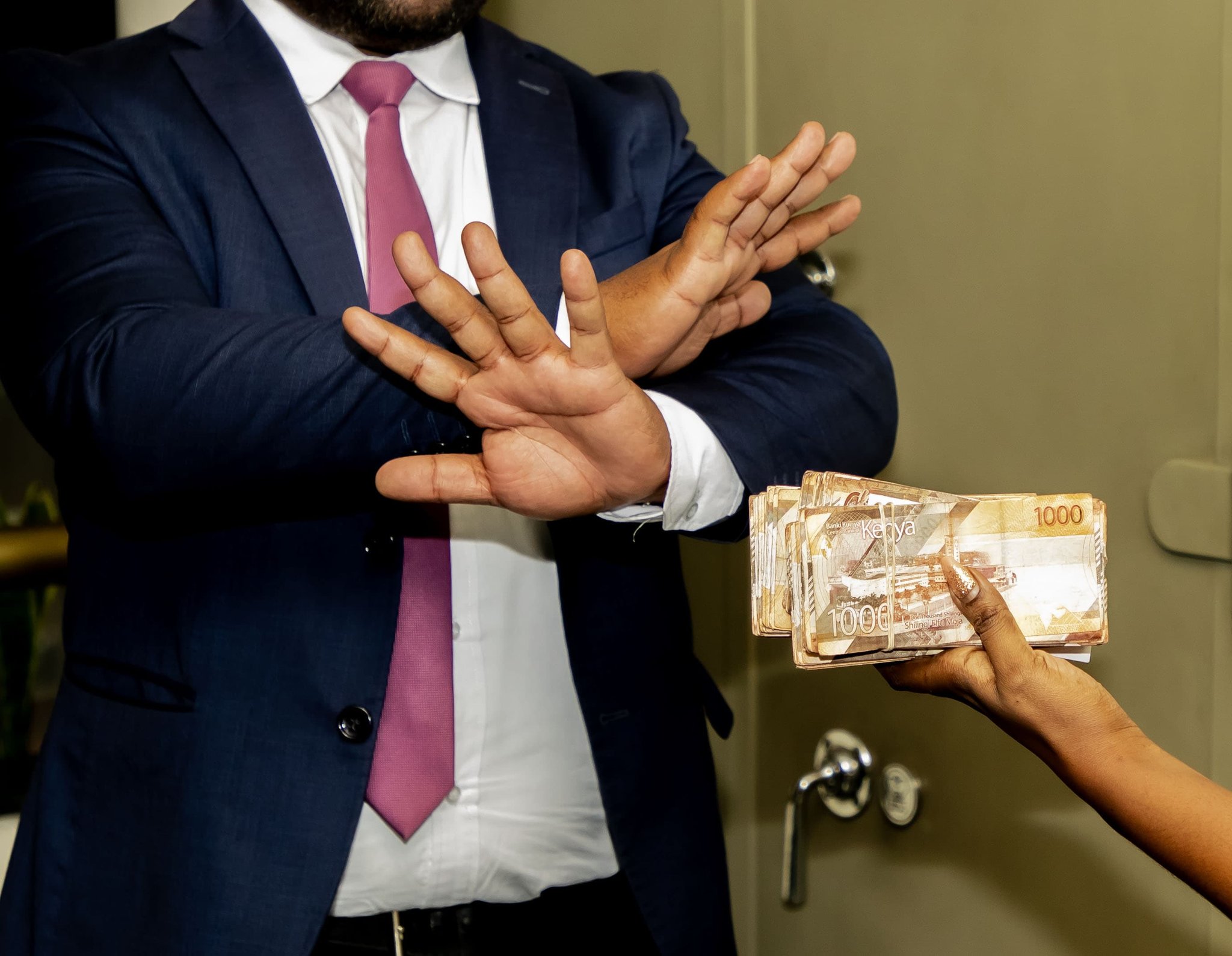
The recently released Kenya Bribery Index 2025 report by Transparency International Kenya presents critical data on the prevalence and dynamics of bribery across 15 counties, highlighting how corruption continues to impede access to essential public services.
A significant finding of the 2025 index pertains to the gender disparity in bribery payments. The report reveals that a larger proportion of male respondents, at 64%, reported paying a bribe compared to 36% among female respondents.
“It could be likely that due to gender norms and relations, men are more active economically and therefore likely to interact more with public institutions, eliciting more bribery opportunities,” the report read.
While the proportion for female respondents showed a one percentage point drop from 35% in 2017, the 2019 survey indicated that 46% of female respondents found themselves in a bribery situation.
Beyond gender, the report also scrutinizes bribery patterns across different age groups, revealing that younger generations are more susceptible to bribery demands.
The highest frequency of paying bribes was observed among individuals aged between 25 and 44 years.
“The younger generation is more likely to be interacting with service delivery institutions like schools and hospitals as well as regulatory bodies in business licensing, motor vehicle registration, and law enforcement,” the report revealed.
In contrast, the frequency of bribery payment was lowest among those above 45 years, reflecting their potentially lower participation in social and economic activities.
Historical data from the 2017 and 2019 surveys also align with this trend, showing the highest frequency of bribe payment within the 25-34 age group at 34% and 30% respectively. Collectively, the 25-44 age band accounted for a substantial 61% of all bribes paid in the 2017 and 2025 surveys.
The comprehensive survey also indicates that 25% of respondents encountered a bribery situation in the past year. This figure represents a notable drop from 37% in 2017, although it is a marginal change from the 23% recorded in the 2019 survey.
Among the sectors identified as most prone to bribery, the police, land services, and civil registration emerged as leading areas where citizens encounter demands for illicit payments.
The judiciary recorded the highest average bribe paid, standing at KES 18,800. Furthermore, nearly 40% of all reported bribes were directed towards the police, indicating a persistent challenge within law enforcement.
Despite an improvement in reporting bribery incidents from 6% in 2017 to 17% in 2025, the majority of Kenyans who encounter corruption still opt not to report it, primarily due to low trust in enforcement agencies, according to the report.
The survey further details bribery by employment status, identifying the self-employed category as having the highest frequency of bribe paying at 48%.
This, according to the report findings, is likely due to the self-employed segment’s more frequent interactions with services such as business licensing and law enforcement agencies.
Conversely, the report found the lowest frequency of bribery among retirees, followed by the unemployed and full-time students.
This is attributed to their comparatively lower levels of interaction with public services, which reduces their vulnerability to bribe demands.
The 2025 report concludes with targeted recommendations for various government arms, including the Executive, Parliament, Judiciary, and independent institutions, as well as non-state actors.
BY moses sagwe