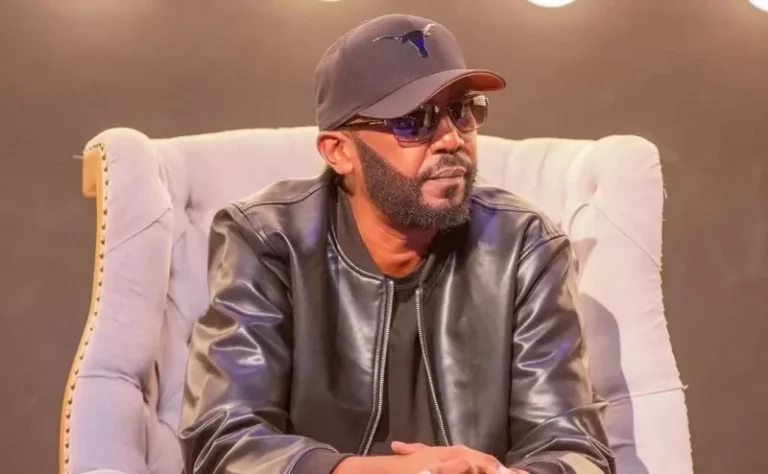



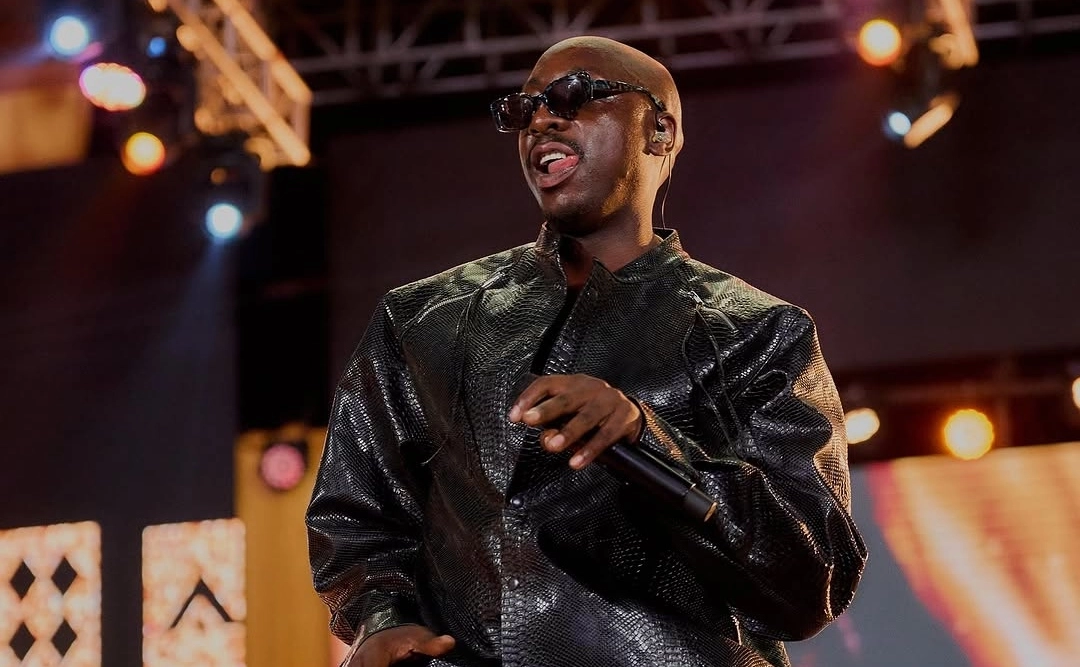
Fresh off selling out shows and launching a ten-state tour across the U.S., Kenyan music sensation Bien Aime, formerly of the acclaimed band Sauti Sol and now a thriving solo artist, recently graced the airways of The Breakfast Club in New York.
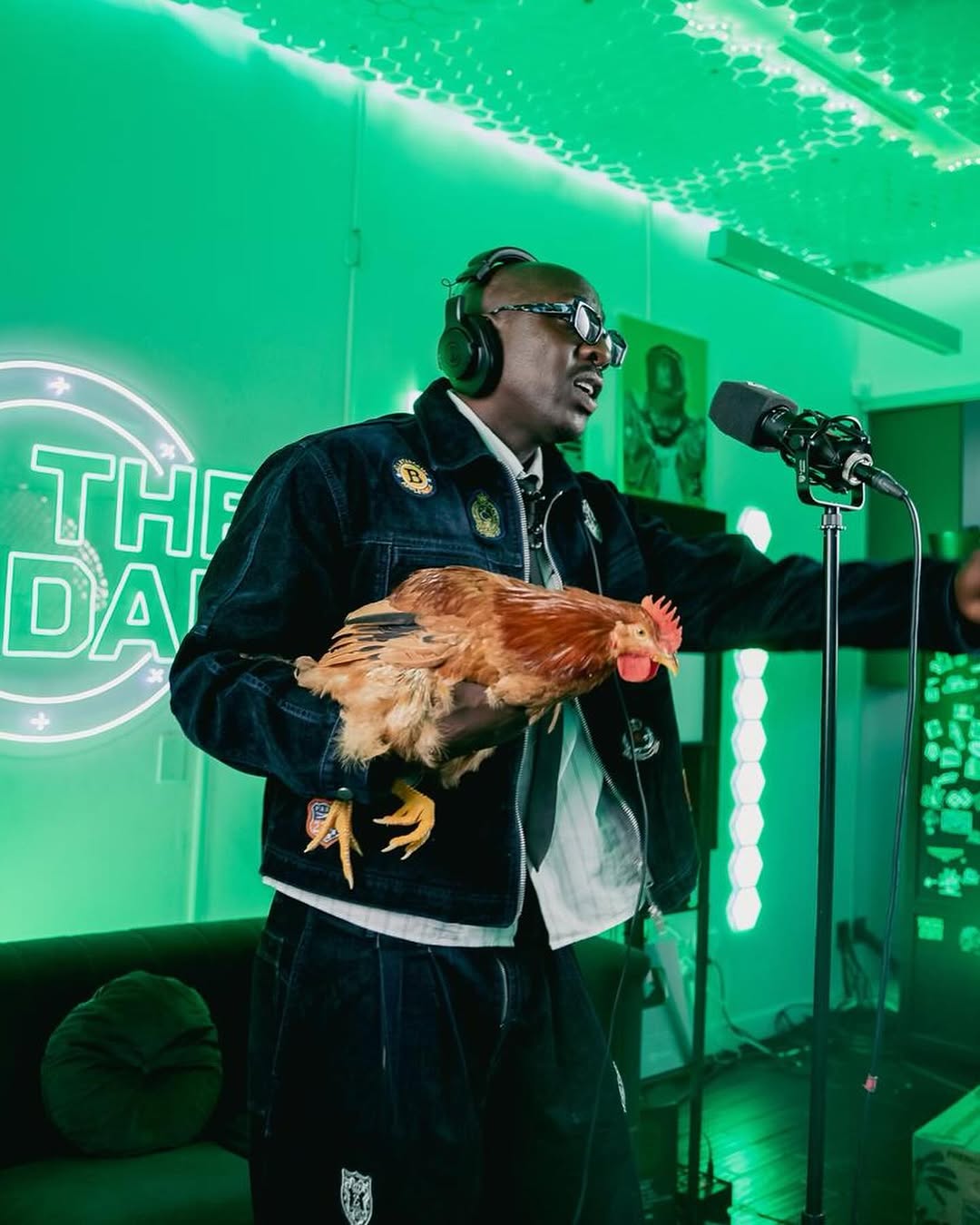
Beyond discussing his sold-out performances, his new album Alusa, and the unique choice to bring a chicken mascot to another interview, Bien offered a poignant perspective on the economic landscape in Kenya and the powerful role of the nation’s youth.
Bien, whose new solo career marks a “second lease of life” after 20 years with Sauti Sol, spoke candidly about the challenges faced by artists from East Africa seeking mainstream global recognition.
He explained that, unlike music from Western or Southern Africa, East African music has historically lacked the necessary funding and marketing dollars spent to propel it onto the global stage. However, he sees a shift, viewing East Africa as the “next logical sound” for the world to embrace.
The conversation took a more serious turn when discussing the current state of affairs in Kenya. Bien described the recent times as “very tough economically”, acknowledging that as a country, they are currently “not doing so well”.
This financial strain was also highlighted in the context of Kenya’s bid to host the Africa Grammys, a proposal that faced public backlash over the proposed Sh 491,011,452 spent at a time of economic hardship.
“The whole thing I think the news came out at a very bad time because at that time economically and even now we’re not doing so well as a country. So a $3.8 million spend on the Grammys feels like an impulse spend to smack your face,” he said.
While Bien, from an artist’s perspective, saw the potential long-term value and investment for future generations, he conceded the communication around the bid could have been better explained, emphasizing the potential economic benefits like tourism and industry development.
Despite the economic difficulties, Bien conveyed a sense of resilience and hope for his country. He firmly stated, “We are not a basket case“.
He characterized Kenyans as “proper people” and “fighters,” alongside Africans in general, who will “keep the lights on”.
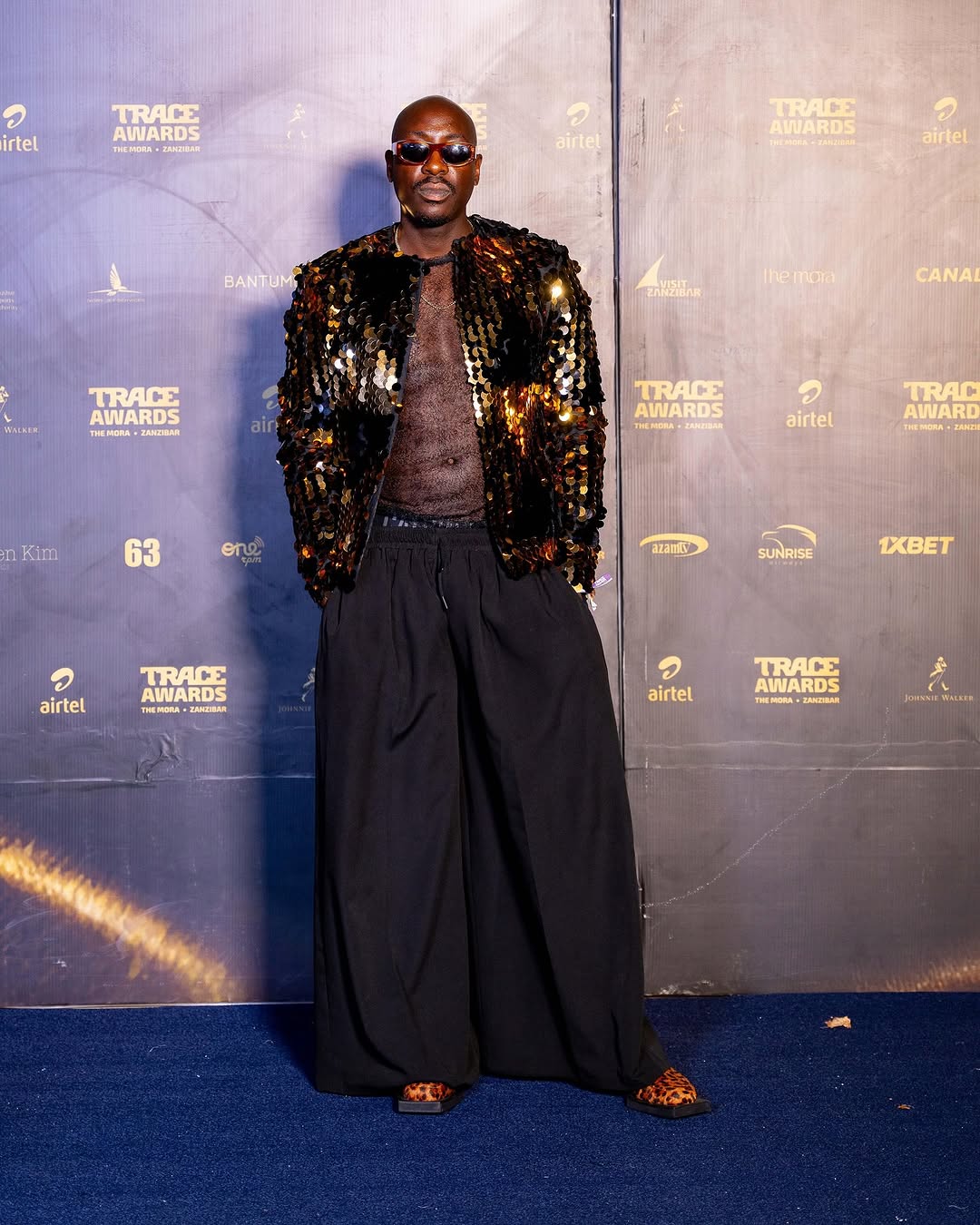
A significant part of Bien’s perspective centers on the role of the younger generation in Kenya’s future. He described a political climate where, in his view, the traditional system lacks genuine opposition.
He touched upon recent events, mentioning that over the past year or so, there have been “so many abductions” and a troubling situation where there is “freedom of expression, but not freedom after the expression”.
“We are not going through a very easy time. Our government has no opposition. The opposition is the youth. For the last year or so, there have been so many abductions, there’s been freedom of expression, but no freedom after expression,” Bien declared.
Amidst these challenges, Bien expressed profound faith in the youth to drive positive change.
He stated, “I have more faith in the children who are coming than their leadership“, adding, “I think the kids are going to save us“.
This sentiment directly influences his work as an artist. Bien feels pressure stemming from Kenya’s financial struggles to “make art that speaks to those people” and to “tell their story to the world“.
He aims for his music to connect listeners to the human experience in Kenya, wanting people to “see the pain and the struggle in my art” and for the lyrics to transport them to different places within the country.
by moses sagwe