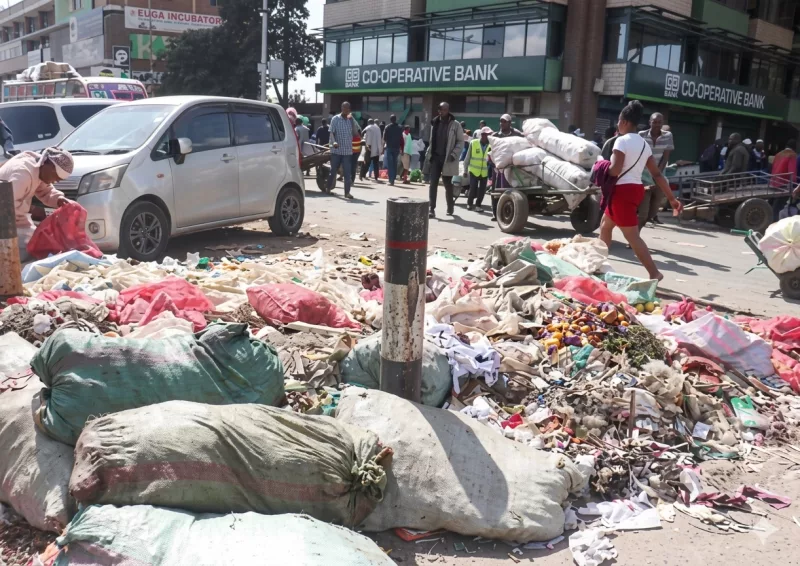
The European Union (EU) and civil society organisations are calling for the formalisation of informal water and waste operators, to improve access to essential services.
EU delegation argues that affordable licensing and integration into public service delivery could creating new opportunities for local enterprises to thrive.
The organisations want county governments to recognise informal operators, lower the cost of licensing and create mechanisms through which the businesses can work alongside formal water and waste service providers.
They also want informal operators involved in the development and implementation of county policies, budgets and climate commitments, rather than being treated solely as unregulated actors.
EU and the consortium implementing the Strengthening Civil Society Engagement for a Just and Sustainable Urbanization (SCEJU) project said formalisation should be accompanied by partnerships that enable informal enterprises to access government and private-sector opportunities.
“Informal actors are not a problem to be managed. They are partners in the solution. The EU is committed to partnerships that empower them with capacity, voice and influence, that create platforms for dialogue and policymaking, and that build locally led, innovative enterprises ready to partner with the private sector and government.”,” said Delegation of the European Union to Kenya, Thomas Yatich.
The push comes as informal businesses continue to play a role in water distribution, waste collection, recycling and other services, particularly in urban and underserved areas.
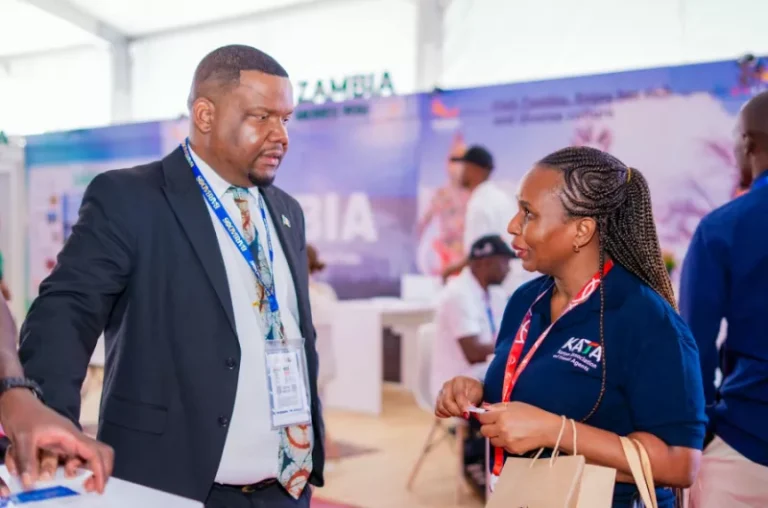
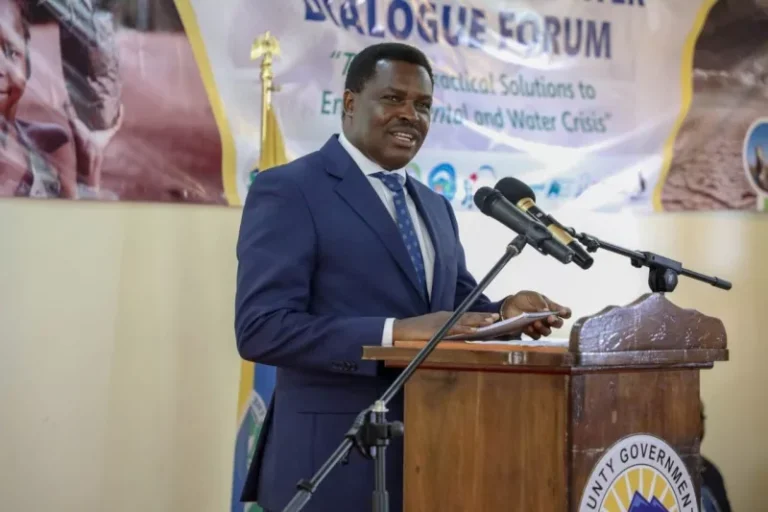
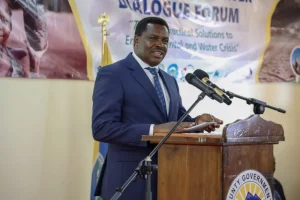
The Kenya Sustainable Water and Waste Management Policy Forum (KSWWMPF), brought together national and county governments, development partners, private sector players, academia, civil society and informal operators.
The forum is using evidence from Kisumu, Nakuru and Makueni counties to develop policy recommendations for national and county governments.
A high-level panel is examining the intersection between formal and informal water and waste management in the three counties, while community representatives are discussing how the current policy and operating environment affects informal businesses.
The organisations are also advocating for public-private partnerships that can help informal operators grow into locally owned enterprises.
This includes creating opportunities for businesses involved in waste recovery and water provision to access financing, technology and formal markets.
The SCEJU project says it has trained 9,139 informal water and waste actors and equipped 268 trainers of trainers across Kisumu, Nakuru and Makueni. It has also financed six community enterprises, including smart water kiosks, a Material Recovery Facility and digital waste-trading platforms.
Women account for 55 to 60 percent of the informal waste actors trained under the programme, representing a 21 percentage-point increase from the baseline, according to the project.
The forum is also considering delegated management models as a way of expanding water services in informal settlements.
A session on the model will be led by Kisumu Water and Sanitation Company Managing Director Thomas Odongo. Another session will examine opportunities for informal waste operators to grow their enterprises through Material Recovery Facilities.
The push to formalise the sector could create a framework for informal operators to move from small, largely unregulated activities into recognised service businesses capable of partnering with county governments and private companies.
Participants are expected to develop policy recommendations, build a partnership framework for informal enterprise development and agree on commitments at the end of the forum.
The EU and SCEJU consortium have also called for the informal operators to be included in monitoring Kenya’s climate commitments, including its Nationally Determined Contribution on water and waste management.