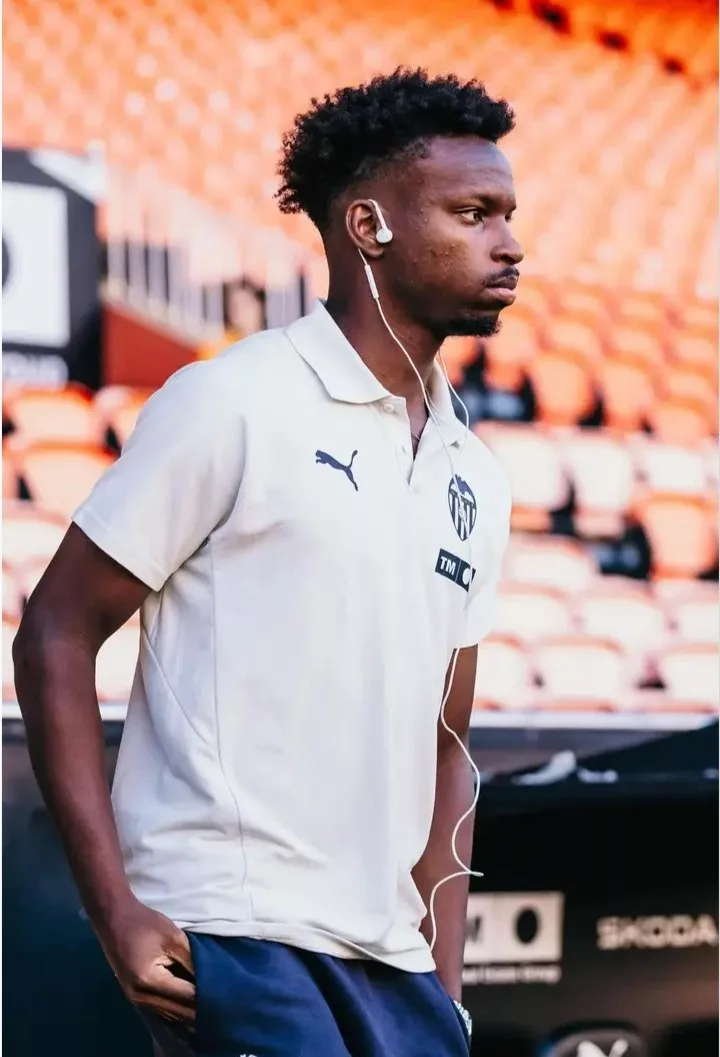


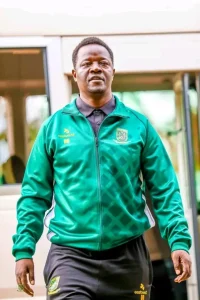

Tusker captain Abud Omar has warned that Kenyan football is falling behind its neighbours, blaming poor management, inadequate infrastructure and a lack of professionalism for the struggles facing the domestic league.
The experienced defender spoke after the latest postponement of the SportPesa League, which has left clubs and players uncertain about when the 2026/27 campaign will get underway.
The season was scheduled to kick off on September 19 but was postponed after fresh legal intervention over the league composition, promotion and relegation framework. Omar, who returned to Tusker in July after three seasons with Kenya Police, said the domestic game was in a much stronger position a decade ago.
“Ten years ago, the Kenyan Premier League was among the best leagues in Africa. We were ranked around the top 20 on the continent, and a big part of that was proper management and the professional standards that came with SuperSport,” Omar said.
The Harambee Stars captain said neighbouring countries’ progress has exposed Kenya’s shortcomings, particularly in the way the domestic competition is administered.
“But look at where we are today. Many of our neighbouring countries have moved ahead of us because they have invested in better management, infrastructure and professionalism, while our league continues to struggle,” he said.
The latest disruption has come at a difficult time for Kenyan clubs and players, with continental competitions and national-team assignments also demanding regular competitive football.
The uncertainty has continued to frustrate players preparing for the new season, who are now without a clear domestic fixture schedule. For Omar, the problem goes beyond the inconvenience of postponing matches. “I’ve just woken up to the news that the league has been cancelled again, and honestly, it’s so frustrating,” he said.
The left-back, who has played in Greece, Bulgaria, Belgium and Romania, said a lack of regular league football could affect Kenyan players’ and clubs’ ability to compete at the continental level.
“We have continental competitions and national team games coming up. How are we supposed to compete at the highest level when we don’t have enough competitive matches to maintain our fitness and sharpness?” Omar said.
His concerns also come with Kenya preparing to co-host the 2027 Africa Cup of Nations with Uganda and Tanzania. The tournament is expected to place greater attention on the country’s football infrastructure and the quality of its domestic competition.
Omar said Kenya’s neighbours were making deliberate efforts to strengthen their leagues while the country continued to grapple with recurring disruptions.
“Other countries are moving forward and doing everything they can to improve their leagues, while we seem to be going backwards,” he said.
The 33-year-old returned to Tusker after a successful spell with Kenya Police, where he helped the club win its first Premier League title and the 2024 Mozzart Bet Cup.
He had also established himself as one of the experienced leaders in the domestic game before moving back to the Brewers. Now wearing the Tusker armband, Omar believes the current situation requires football stakeholders to take a broader view of the problems.
“And with Kenya preparing to co-host the Afcon Cup next year, this is really worrying. We need to get serious about our football,” he said.
He called for a properly organised competition to give the clubs and players the consistency needed to develop and compete at higher levels.
“Our players, clubs and fans deserve a properly organised, professional and competitive league,” Omar said.
The defender said the latest league crisis should therefore not be viewed simply as another interruption to the fixture calendar, but as an issue with wider implications for Kenyan football. “This is not just about today’s fixtures. It’s about the future of Kenyan football,” Omar said.