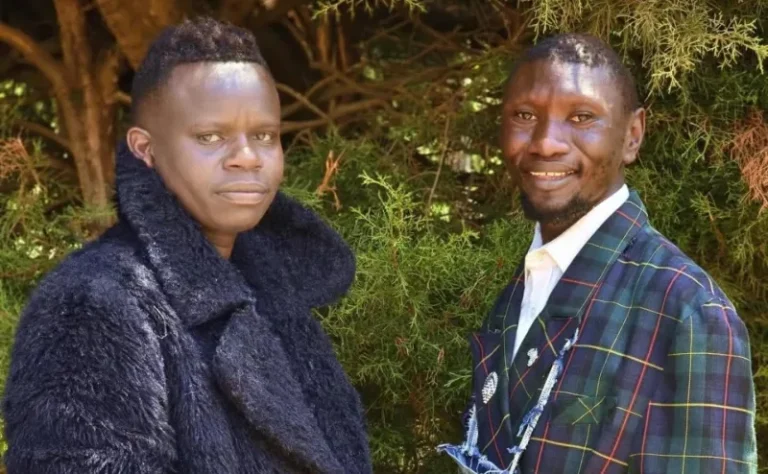




Obinna made the proposal in a video shared on Instagram on Thursday, September 17, suggesting that women found to have falsely identified a man as the biological father should either repay the money he spent raising the child or face imprisonment.
His comments have since sparked debate online, with social media users divided over the proposed punishment and its possible impact on children.
Obinna proposes repayment or jail
Obinna said his idea would apply where a DNA test establishes that a man who had been raising a child is not the biological father.

He suggested that the woman responsible should first be required to repay the money the man had spent on the child.
“You pay back all the money that he has ever invested in the child, be it school fees, medical, diapers; you pay it all back.”
According to Obinna, failure to repay the money should result in a prison sentence.
He proposed a minimum sentence of five years.
“If you can’t, go to jail and face a jail term. Not less than five years.”
He also addresses false accusations
Obinna’s proposal went beyond paternity disputes.
He also suggested that people who deliberately make false accusations against men should receive the same punishment the accused person would have faced if convicted.
Using a hypothetical seven-year sentence, he argued that if a man was falsely accused of an offence carrying that punishment and was later cleared, the person who made the accusation should serve the seven years instead.
“If the man was to be given seven years, then he is innocent; you are the one now to go to jail.”
Kenyans debate the proposal
The comments have generated different reactions online.
Some users supported the idea, arguing that men should not unknowingly spend years financially supporting children who are later established through DNA testing not to be theirs.
Others raised concerns about making criminal penalties part of paternity disputes, particularly because children could be affected by conflicts between adults.
What the law currently says
Obinna’s proposal has not become law and there is no indication in the reports that a bill has been introduced in Parliament based on his comments.
Kenya’s existing Children Act provides for financial responsibility towards children and allows courts to make maintenance orders based on factors including the child’s needs and the financial circumstances of the parties.
Kenyan courts have also dealt with paternity disputes involving DNA testing. In a 2025 High Court decision, the court noted that DNA evidence can be relevant in determining paternity and parental responsibility.
For now, Obinna’s comments remain a public proposal and social-media debate, rather than a change to Kenyan law.