
The National Gender and Equality Commission wants more women from Nyamira and Kisii counties to contest elective seats.
In the highly patriarchal society, only two women have been elected as MCAs since the advent of devolution. In neighbouring Kisii county, only two women have been elected as MCAs.
No woman has ever been elected as an MP from a constituency, senator or governor, and only a few have offered to contest these highly competitive seats, opting instead for the Woman Representative seat.
The commission wants women to break barriers and pursue elective positions at the national level and in the county assembly.
NGEC commissioner Caroline Lentupuru expressed concern that since independence, very few women have been elected in the Gusii region, with leadership dominated by men despite constitutional provisions on the two-thirds gender rule.
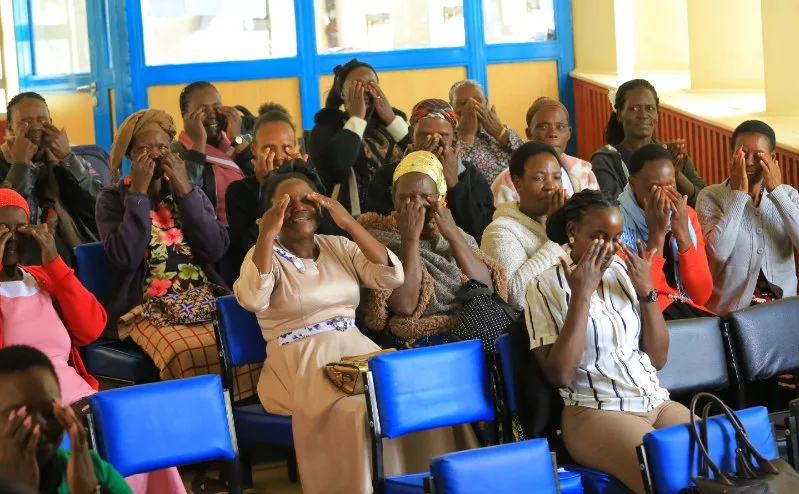
She spoke at Nyamira National Polytechnic during a women’s engagement forum.
She challenged women to come out, register as voters and also vote for their own.
Lentupuru added, “Women should not shy away from elective politics. The constitution gives you equal rights to vie. Don’t wait to be given the Woman Representative seat as if that is the only seat reserved for you. Go for MP, go for MCA, go for Governor.”
The commissioner revealed that they have identified several barriers hindering women in Nyamira from vying for elective seats.
The challenges include gender-based violence during campaigns, lack of financial support and cultural stereotypes.
The commission, she added, is working with the Independent Electoral and Boundaries Commission (IEBC), the National Police Service and other agencies to ensure a safe environment for women ahead of the 2027 polls.
Further, she urged women from the two counties to overcome fears and cultural limitations and take advantage of empowerment programmes and affirmative action funds to build their political base.
“The biggest barrier is sometimes women themselves. You register as voters, but you don’t vote for your fellow woman. If you want to be at the table of decision-making, you must be willing to vote for your own and to stand as candidates,” she added.
The commission said it is holding a three-day dialogue in Nyamira, Meru and Kisii involving youth, women and persons with disabilities to promote inclusive participation and curb election-related gender-based violence.
Earlier this week, a Commonwealth parliamentary forum in Cape Town, South Africa, heard that political violence and the high cost of election campaigns are discouraging Kenyan women from seeking elective positions.
The legislators said intimidation, harassment and inadequate financial resources continue to undermine women’s ability to compete effectively for political office and build successful careers after elections.
The concerns emerged during a session of the Commonwealth Women Parliamentarians (CWP) on the opening day of the 69th Commonwealth Parliamentary Conference, where female legislators from across the Commonwealth discussed ways of increasing women’s participation in political leadership.
Vihiga Woman Representative Beatrice Adagala, who is vice chairperson of the CWP Executive Committee, challenged women to remain resilient and seek elective positions despite the obstacles.
“Women have always been confronted by barriers that hinder them from achieving their political dreams. This conference should help come up with practical ways of freeing aspiring female candidates from these challenges,” she said.
With Kenya set to hold its general election next year, Adagala urged women to contest for seats at all levels instead of being discouraged by the hostile political environment.
“I encourage women never to give up on the struggle. In Kenya, we are facing elections next year and I urge women to go for all the political seats,” she said.
Adagala also announced her intention to seek the Vihiga gubernatorial seat, expressing confidence that she would win.
Machakos Senator Agnes Kavindu said political hostility had personally affected her political career but that resilience had enabled her to secure a second term.
“I am a victim of political hostility, but my thick skin has helped me win my second term,” she said.
Kavindu said women candidates were particularly vulnerable to violence, intimidation and harassment during campaigns, making it difficult for them to compete on an equal footing with men.
But the senator said the challenge went beyond election-day politics, pointing to the huge financial demands associated with running successful campaigns.
Women, she said, often lacked the resources needed to mobilise supporters, communicate with voters and meet the logistical costs of campaigns.