


Jaramogi Oginga Odinga Teaching and Referral Hospital and its neurosurgical partners are building a permanent team of local neurosurgeons.
The move shifts the hospital away from temporary specialist camps towards providing routine, complex brain and spine operations in the region.
This came as the partnership marks 700 neurosurgical procedures performed since 2017, with another 41 patients scheduled for specialised treatment during the current camp running until September 11.
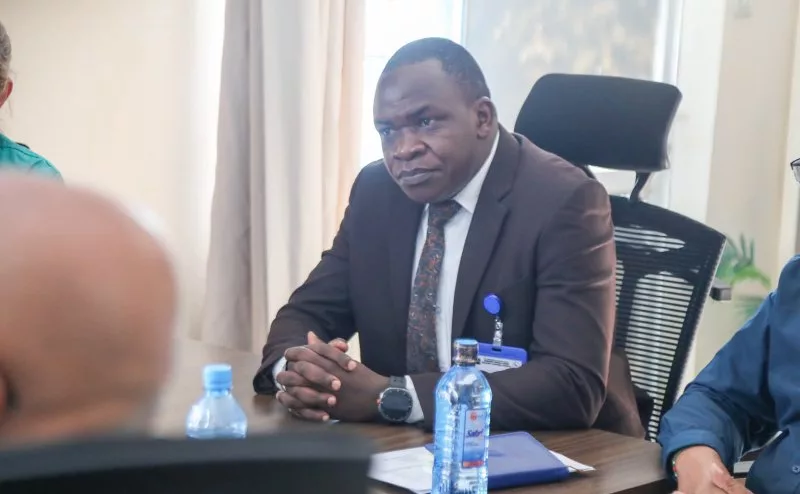
JOOTRH chief executive officer Dr Joshua Clinton Okise said the focus is increasingly shifting from treating patients during visiting missions to ensuring local health workers acquire the expertise needed to sustain specialised services.
“The objective is not just to come here and operate on patients. We want to build capacity so our local doctors and healthcare workers can continue providing these specialised services even after the visiting teams have left,” he said.
The Foundation for International Education in Neurological Surgery (FIENS) has joined JOOTRH and the Kisumu Neuroscience Initiative in strengthening the programme, with emphasis on developing a sustainable training pathway for doctors and other healthcare professionals.
The partnership, he said, is expected to support the establishment of neurosurgery residency and fellowship programmes, giving Kenyan doctors opportunities to acquire specialised skills and reducing dependence on overseas training.
International specialists, including experts from New York, are working alongside JOOTRH clinicians during the ongoing camp.
Medical technology company Medtronic is also involved, with the collaboration providing local practitioners with exposure to advanced equipment, techniques and approaches to complex neurological conditions.
The partners are also exploring two-way training opportunities through which local surgeons and registrars can undertake specialised training abroad before returning to Kenya with new skills and knowledge.
For JOOTRH, the long-term ambition is to develop a centre capable of handling increasingly complex neurosurgical cases while simultaneously serving as a training ground for future specialists.
The programme will also support improvements to the hospital’s surgical infrastructure, including operating theatres, equipment and surgical beds.
“Plans are further being explored to modernise the hospital’s Health Management Information System through artificial intelligence-assisted clinical decision support, while longer-term ambitions include examining the feasibility of robotic-assisted surgery”.
The current camp has also adopted a different approach to patient preparation following challenges experienced during previous surgical missions.
Okise said anaesthesia and surgical teams began pre-operative screening a week before the camp, allowing specialists to assess patients early and determine who was ready for surgery.
The approach is expected to reduce delays during the camp and allow patients who qualify for treatment to move more efficiently from assessment to surgery.
The neurosurgical team, led by Dr Bethwel Raore, is attending to patients with a range of neurological and spinal conditions, including brain tumours such as meningiomas, epilepsy, Chiari malformation and syringomyelia.
Other cases involve disc herniation, spondylosis, spinal stenosis and spinal fractures.
The strengthened partnership follows a courtesy call by the team to the CEO, with JOOTRH and its partners expected to formalise their relationship through Memoranda of Collaboration.
The agreements are expected to provide a framework for specialist training, technology transfer and continued development of neurosurgical services at the hospital.
For patients in western Kenya, the programme could reduce the need to travel to Nairobi or outside the country for specialised brain and spine treatment.
For local doctors, however, the more significant benefit could be the opportunity to gain hands-on experience while working alongside international specialists.
With 700 procedures already completed, the partnership’s next measure of success may therefore be less about the number of operations performed and more about whether the expertise brought through international missions can be permanently transferred to local teams.
The partners hope that investment in training, infrastructure and technology will allow JOOTRH to provide advanced neurosurgical services long after the visiting specialists have left.