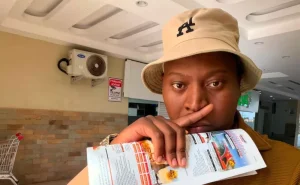



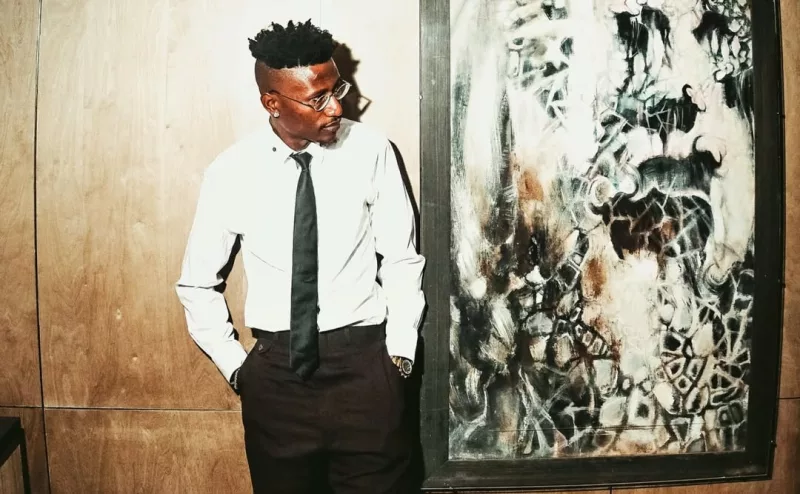
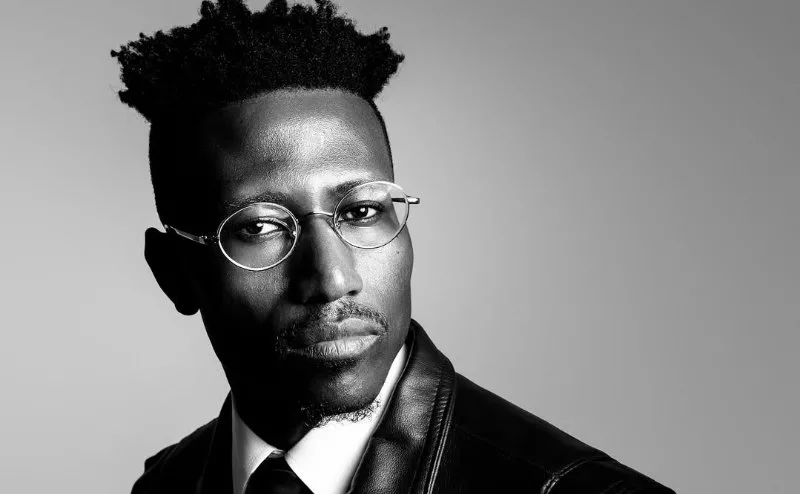
Kenyan hip-hop artist and youth activist Octopizzo has issued a passionate plea for the fair treatment of Burundian nationals in Kenya, warning against xenophobic backlash following recent enforcement actions targeted at informal foreign traders.
The musician, whose real name is Henry Ohanga, used his social media channels to address the mounting friction between local vendors and immigrant workers.
His stance comes as diplomatic relations between Nairobi and Bujumbura face strain over market operations.
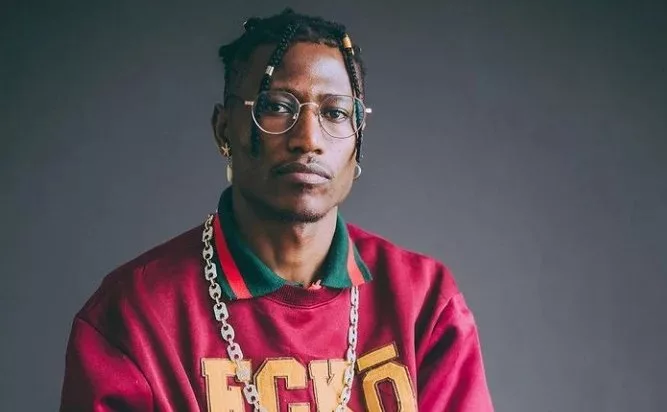
“We all share this world, and we should strive to create communities built on dignity, compassion, coexistence, and love,” Octopizzo wrote on X.
Escalating Enforcement Actions
His comments came amid rising Kenya-Burundi tensions, including reports of harassment and the forced removal of Burundian traders.
The conflict flared after authorities announced strict measures reserving informal small-scale trades, such as street food vending, exclusively for Kenyan citizens.
The directive triggered widespread panic, prompting hundreds of foreign traders to line up at their Nairobi embassies for emergency travel documentation.
Government reports indicate that over 16,000 Burundian migrants currently reside in Kenya, with a significant portion earning a living in urban informal markets.
Following reports of harassment and forced removal of stall owners, Burundi summoned Kenya’s ambassador and petitioned the East African Community (EAC) for an emergency summit.
“If anyone commits a crime, let the law take its course, investigate, arrest and prosecute them according to the law, regardless of their nationality,” the artist urged.
A Divided Online Response
Octopizzo’s commentary drew swift mixed reactions across social platforms. Supporters commended his longstanding advocacy for displaced people, pointing to his humanitarian initiatives in the Kakuma and Dadaab refugee camps.
Others, however, questioned whether foreign nationals operating businesses in Kenya have the required permits and contribute to the economy through taxes.
Conversely, local critics argued that unmanaged informal labor depresses daily wages for unemployed Kenyan youth. Despite the pushback, the artist insisted that economic pressures should never justify targeting vulnerable communities.