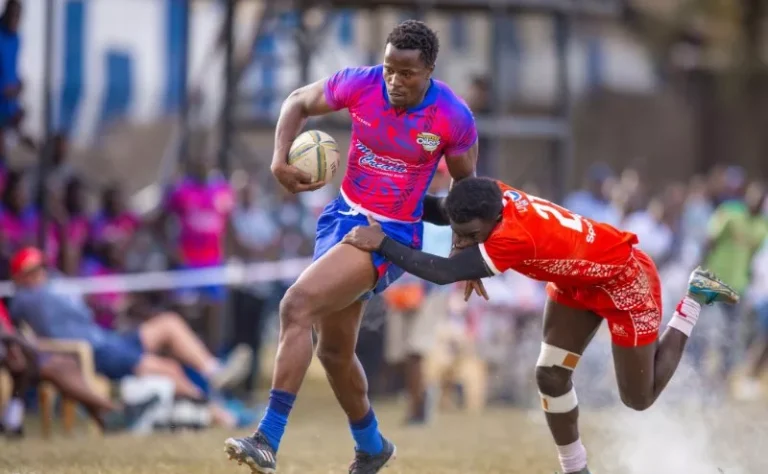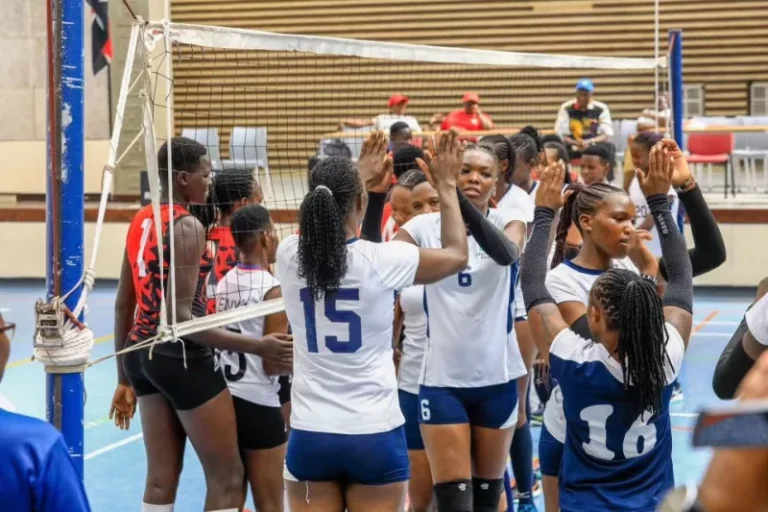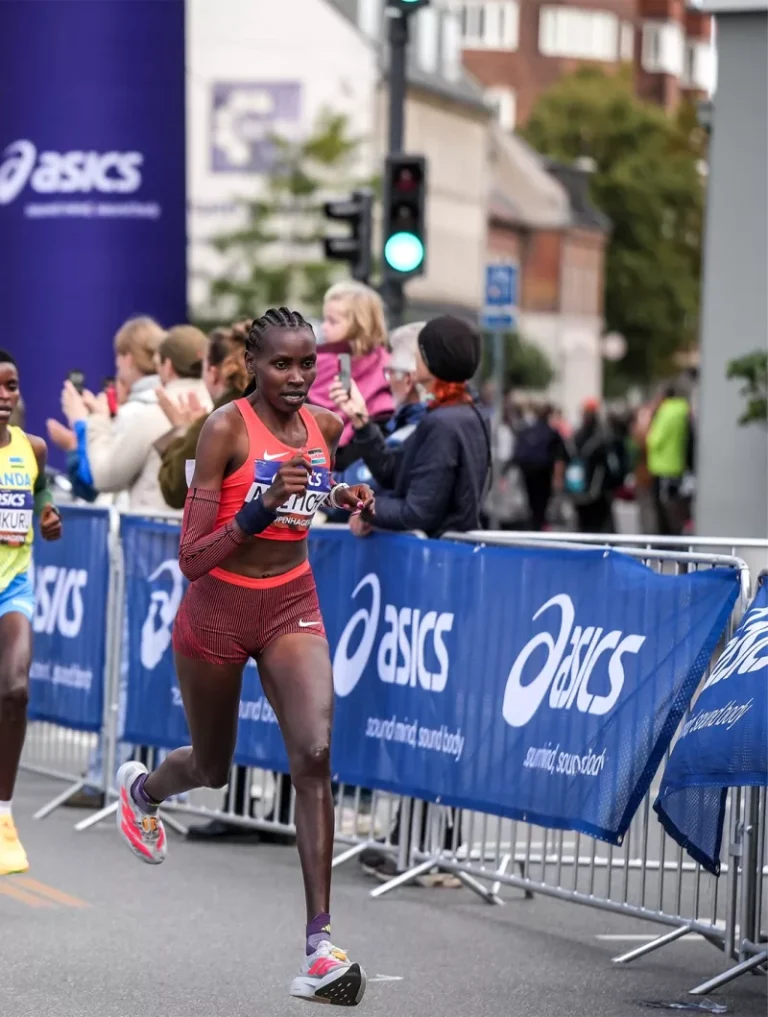



Kenya’s impressive performance at the 2026 Association of National Olympic Committees of Africa (Anoca) Zone V Youth Games in Nairobi deserves more than applause.
It should serve as a springboard for the country’s preparations for the Dakar 2026 Youth Olympic Games and, more importantly, a renewed commitment to developing the next generation of sporting stars.
Team Kenya emerged overall winners with 50 medals — 22 gold, 21 silver and seven bronze — as more than 300 young athletes from 11 countries competed in Nairobi.
The immediate challenge is to ensure that the young athletes who excelled at the Zone V Games are given the opportunity and support to compete at the highest level in Dakar.
For a country with a proud sporting tradition, the Anoca performance was both encouraging and timely. It provided a glimpse of the talent available across a wider range of disciplines than athletics, traditionally Kenya’s strongest sport.
Young Kenyans excelled in swimming, judo, beach volleyball, basketball and other disciplines, demonstrating that investment in youth development can produce impressive results.
In athletics, Bramwel Chasala won Kenya’s first gold in the boys’ 200m, while Anthony Lemoshira triumphed in the 100m.
David Kapaiko claimed the 800m and Enock Tuitoek dominated the 3,000m. Purity Munyalo’s victory in the girls’ triple jump further underlined the depth of emerging talent.
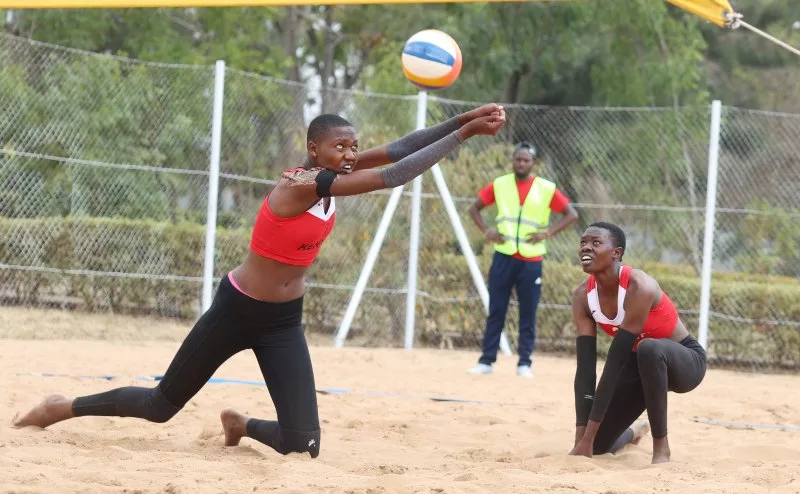
Kenya was equally impressive in swimming and judo. The beach volleyball teams delivered a memorable double by winning both the boys’ and girls’ titles, while the 3×3 basketball teams also provided plenty of encouragement.
The girls won gold, with Chelsea Onamwo earning MVP honours, while the boys settled for silver after losing to South Sudan.
These results show Kenya can compete successfully in sports that have traditionally received less attention. The challenge now is to turn that promise into sustained international success.
The greatest mistake would be to regard the medal table as the final destination.
The ANOCA Zone V Games should instead mark the beginning of a carefully planned journey towards senior international success. Kenya has a history of producing talented juniors who struggle to make the transition to the senior level. That cycle must be broken.
The Dakar Youth Olympic Games provide an immediate opportunity to test whether the country has learnt from past shortcomings.
The National Olympic Committee of Kenya and federations must identify the most promising athletes from Nairobi and establish clear, long-term development pathways. Talent identification must be followed by quality coaching, regular competition, sports science, nutrition, medical support and psychological preparation.
Those selected for Dakar should not be thrown into international competition without adequate preparation. They need exposure to stronger opposition and different competitive environments. International camps and competitions should form part of their development rather than opportunities reserved only for established seniors.
Education must remain central too. These are teenagers whose sporting ambitions should not come at the expense of their academic futures. A successful youth system must prepare athletes both for competition and for life beyond sport.
In addition, they must be taught value-based education to combat doping. Prevention is far better than dealing with violations after promising careers have been damaged.
There must also be accountability in the use of public and private resources. Government, corporate Kenya and federations should increase investment in youth sport while ensuring that funding reaches athletes, coaches and development programmes.
Dakar should therefore be viewed as more than another competition. It should be part of a broader strategy to build a pipeline from youth sport to senior international success.
The athletes who shine in Nairobi today could be the Olympians, world champions and continental champions of tomorrow. But talent alone will not guarantee that future.
Kenya needs a sustainable youth development system capable of producing champions consistently across multiple sports. That means maintaining support for promising athletes after the excitement of the Youth Olympic Games has passed.
The message from Nairobi is clear: the talent is there. The responsibility now lies with those in charge to build the structures that will allow it to flourish.