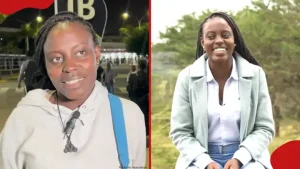
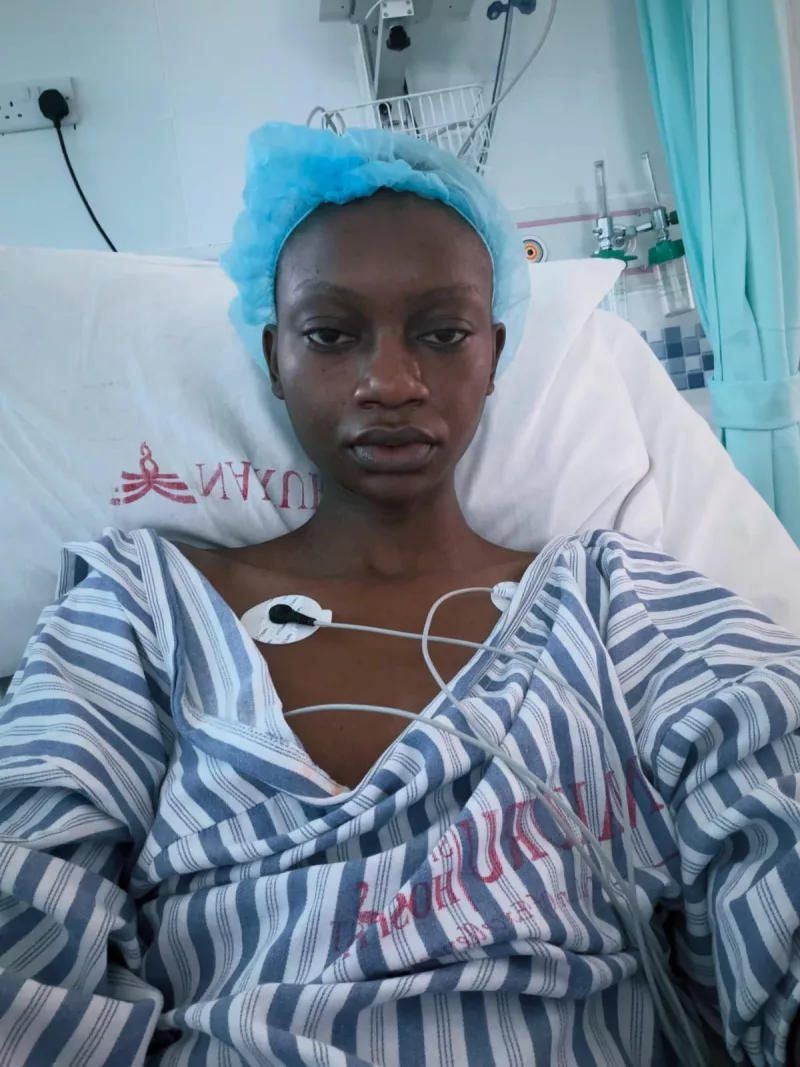
Media personality Natalie Githinji has appealed for financial support as she continues treatment and recovery from stage 4 endometriosis.
Natalie, who is recovering from surgery, said the financial burden of managing the condition is enormous and called for greater support for women living with endometriosis.
“If you can help me understand how to sign a petition for endometriosis and women’s reproductive health to be included kwa SHA, please send me an email,” she said in an Instagram post.
The TV presenter and social media influencer also appealed to corporates and businesses to partner with her through marketing collaborations to help raise funds for her treatment.
“If you want to market your business on my Insta stories to support me, please DM me just for 5K and for any other business, send me an email. My email is nataliegithinjibrand@gmail.com. I’m ready to work with you all.”
Natalie also shared details of her condition, saying she has been battling stage 4 endometriosis, the most severe stage of the disease.
“Stage 4 endometriosis is the most severe form of the disease. It features widespread deep tissue implants, large ovarian cysts called endometriomas, and thick scar tissue that can bind pelvic organs together, sometimes causing a ‘frozen pelvis’,” she said.
Natalie said she had been discharged from the ICU and was recovering from the surgery, although she was yet to fully regain her physical, mental and emotional stability.
According to the World Health Organisation (WHO), endometriosis affects an estimated 10 per cent of women and girls of reproductive age worldwide, equivalent to about 190 million people.
The condition occurs when tissue similar to the lining of the uterus grows outside the uterus.
It can cause severe menstrual pain, heavy menstrual bleeding, chronic pelvic pain, abdominal bloating, nausea and, in some cases, infertility.
Although endometriosis commonly affects the pelvis, the tissue can also occur in other parts of the body, including the abdomen, chest and lungs.
Affected women and girls may experience painful sexual intercourse, bowel movements and urination, while the chronic pain and other symptoms can have an impact on mental health, including contributing to depression and anxiety.
There is currently no cure for endometriosis. Treatment focuses on controlling symptoms and limiting the condition’s long-term effects, although access to early diagnosis and effective treatment remains limited in many settings.
In an earlier Instagram post on July 24, Natalie revealed that she had lived with the disease for 17 years and appealed to President William Ruto to support her national awareness campaign.
“I also kindly ask that your government looks into improving support for endometriosis patients by considering the inclusion of comprehensive endometriosis care under SHA. For many of us, the financial burden of consultations, surgery, medication and ongoing treatment is just as painful as the disease itself,” she said.
Having lived with the pain and trauma associated with the condition for years, Natalie has also used her public platform to advocate for women living with endometriosis.
Her latest appeal has since sparked calls for greater public awareness and a national conversation on the condition, with several Kenyans highlighting the challenges faced by patients seeking diagnosis and treatment.
“I hope somebody brings up Endo at that KICC health talk honestly. And I think endometriosis should be a national discussion for real,” one person said.
US-based Kenyan social media influencer Malcom also said “endometriosis should not remain a silent disease in Kenya”.
“I was reading a certain article based on a document tabled in Parliament by the Ministry of Health that Kenya has only about 700 gynaecologists both public and private. There are roughly 15 million women in Kenya aged 15-49, so that’s approximately one gynaecologist for every 21,000 women in the reproductive age,” he said.
Malcom said women living with endometriosis in rural areas could be facing an even greater burden because of limited access to early diagnosis and specialised reproductive healthcare.
“They may not even know what endometriosis is and may spend years suffering being told just persevere and use pain killers,” he said.
The issue has also attracted attention in the mainstream media, with broadcasters discussing the need for greater awareness and a national conversation on endometriosis.
“I feel like there should be more awareness, many people are suffering in silence, it’s just that we know Natalie,” Homeboyz presenter Tony Kibz said.
“With endo, you only get to experience roughly 5-7 days of being okay every month. Then the trauma starts again,” musician Fena Gitu said.
“I have seen it first hand and it’s not easy,” said Laura Mbatha, Natalie’s co-presenter on NTV.
Laura has remained by Natalie’s side during her recovery, offering emotional and moral support while also updating the public on her progress and response to treatment.