


The government has been urged to establish a special fund for men to address the economic and social challenges facing them.
A section of political and religious leaders said a dedicated fund would help men access affordable credit, mentorship and other opportunities to address economic challenges that have contributed to social problems, including alcoholism, drug abuse and mental health disorders.
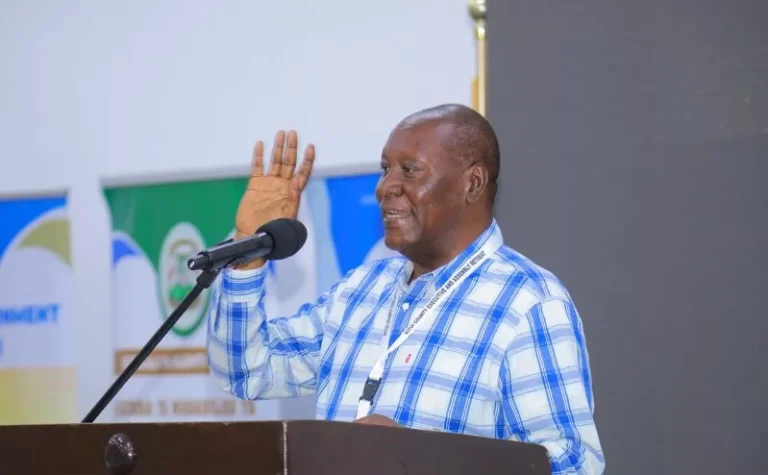
Peter Kagwanja, a political analyst and former senator aspirant, said the initiative would provide men with support to overcome challenges affecting their families, relationships and mental wellbeing.
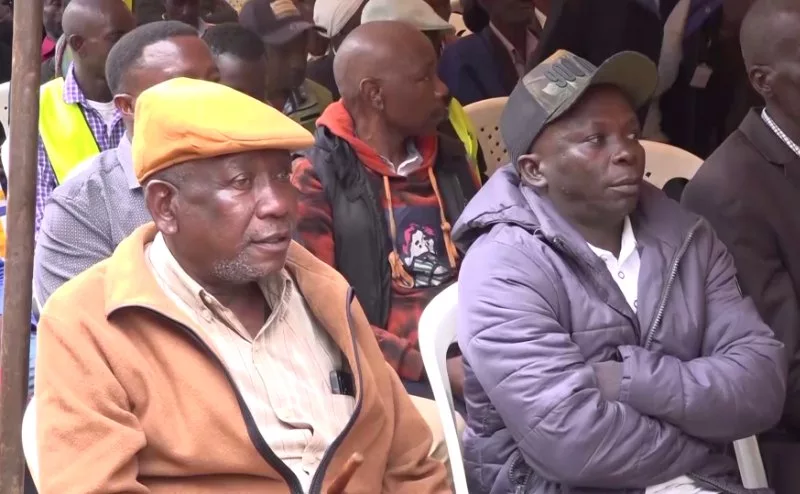
He spoke during the launch of the Ngooro Men Community Organisation in Kangema constituency, Murang’a county.
“According to the statistics that have been done, it has revealed that out of every two men, one is facing issues within himself, from mental health, family issues and relationship issues,” Kagwanja said.
The organisation, which brings together more than 150 men, seeks to promote their welfare, economic empowerment and mentorship while helping members develop skills and income-generating activities.
Kagwanja said the group would also focus on addressing alcoholism, drug addiction and other social vices affecting men, arguing that economic empowerment alone would not be sufficient without efforts to build responsible and mentally healthy individuals.
“We wanted to mentor the youth, not only to get the skills and see the businesses that we are doing, but also to have the right discipline,” he said.
“Drinking, alcoholism, drug addiction and other vices are part of what this organisation is targeting. We want to produce a whole person.”
The call comes against the backdrop of growing concern over mental health and substance abuse among men in Central Kenya.
At Murang’a County Referral Hospital, psychiatrists reported in 2024 that at least one in four patients seeking medical services was battling a mental health condition, with the facility handling about 50 mental health cases daily.
The hospital’s mental health ward, which has 20 beds, was reported to be overstretched. The hospital’s lead psychiatrist, Dr Mbuthia Wagoki, also raised concern over rising suicide cases, saying most of those affected were men.
Nationally, Kenya’s suicide mortality rate was estimated at 6.45 deaths per 100,000 people in 2019, according to World Health Organization data.
Alcohol abuse has also emerged as a major concern in Central Kenya.
A 2022 Nacada survey found that 20.3 per cent of people aged 15 to 65 in the region had used alcohol in their lifetime, while the national figure was 19.4 per cent. Men nationally recorded a lifetime alcohol-use prevalence of 30.5 per cent, compared with 10.1 per cent among women.
The survey placed the region’s current alcohol-use prevalence at 12.8 per cent, the third highest nationally, while the region recorded the country’s highest prevalence of portable spirits at 4.1 per cent.
In Murang’a, 60.8 per cent of men aged 35 to 54 were classified in the study’s “very high” alcohol-use category, compared with 38.8 per cent for the former Central Province overall.
The leaders said the figures demonstrated the need for programmes that address men’s welfare alongside existing initiatives for women and youth.
Resident John Mwangi said men felt excluded from government empowerment initiatives and wanted policymakers to recognise their needs through a dedicated financing programme.
“We want the government to establish a Men Fund that will specifically empower men just as we have a kitty for women. We want more efforts put to uplift men,” Mwangi said.
Religious leaders at the event supported the proposal, saying empowering men should not be viewed as competing with programmes targeting women and young people.
They called for the national and county governments to introduce initiatives that would give men access to affordable loans, business opportunities, counselling and mentorship.
The leaders said stronger support for men would help address economic hardships while strengthening families and communities, arguing that men who are economically stable and mentally healthy were better placed to fulfil their responsibilities at home and in society.