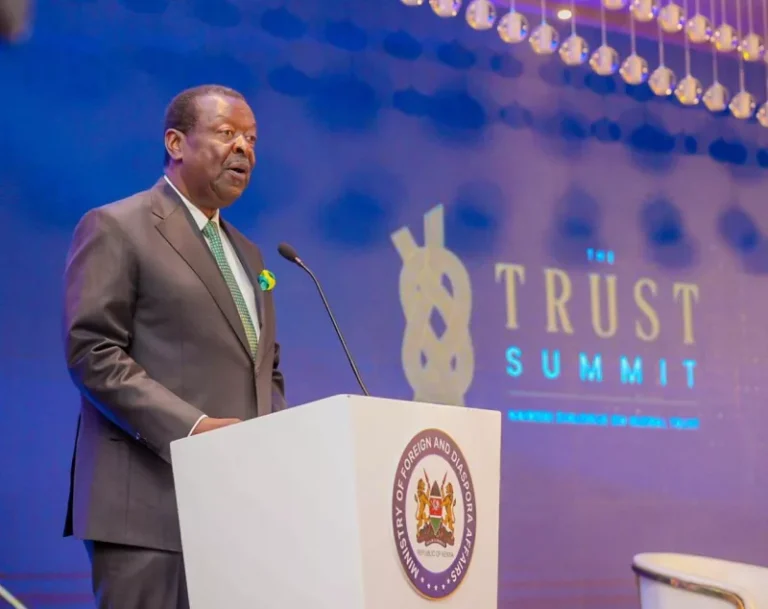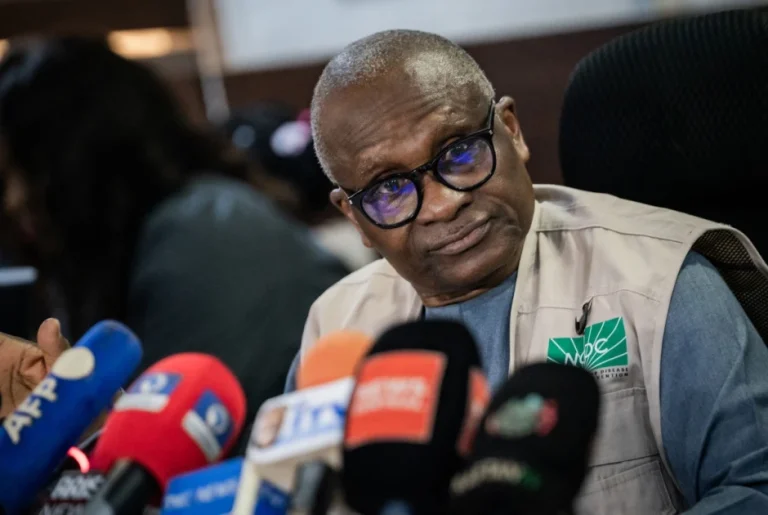

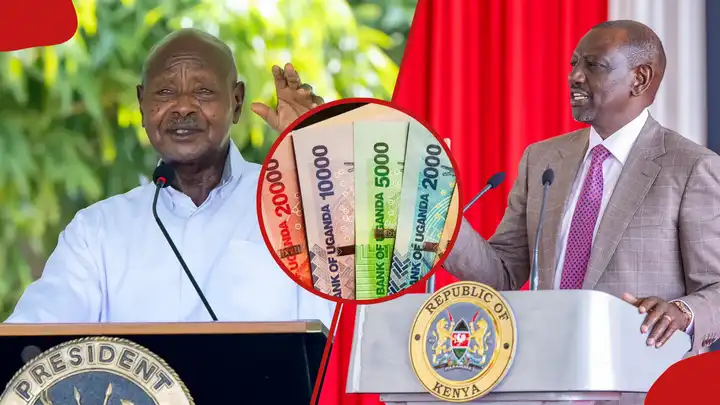
East African Community (EAC) member states have shared updates on their journey towards establishing a single regional currency. EAC countries seek to have a common currency by 2031. Central bank governors gathered in Kampala, Uganda, on Friday, July 24, for the 29th ordinary meeting of the EAC Monetary Affairs Committee (MAC). The meeting was chaired by Michael Atingi-Ego, governor of the Bank of Uganda and current MAC chairperson. Governors and senior officials from partner state central banks attended alongside representatives of the EAC Secretariat, including Kenya’s Central Bank governor Kamau Thugge. What is the EAC monetary union progress? In a statement, the committee noted that it reviewed the revised roadmap for achieving the East Africa Monetary Union (EAMU) and adopting a single EAC currency by 2031. Delegates acknowledged several notable milestones across the bloc, including the modernisation and harmonisation of monetary policy frameworks, improvements in data compilation and risk management systems, stronger policy coordination through information sharing and joint research, the promotion of the East African payment system to support regional trade, and advances in human capital development within central banking institutions. Despite these gains, the committee noted that progress has been uneven across partner states. No single member has fully satisfied all four primary convergence criteria required under the EAMU framework, even as countries have undertaken significant macroeconomic reforms. “The progress has remained uneven, with no partner state having attained all four primary convergence criteria,” part of the statement read. What did EAC states agree last time?
The meeting also took stock of work stemming from its previous session, at which the committee approved the EAC Cross-Border Payment System Masterplan. The strategic document aims to modernise and integrate payment infrastructure across the region by addressing persistent challenges such as high transaction costs, slow settlement times, limited interoperability between national systems, and a fragmented payment landscape. The ultimate goal of the masterplan is to enable seamless cross-border transactions while advancing financial inclusion, fostering innovation, and boosting intra-regional trade. The committee noted that implementation was already under way, with annual work plans developed, priority initiatives identified, and financial and technical resources mobilised to support execution. The 2031 target for a unified EAC currency remains a central ambition for the bloc, though the uneven convergence progress signals that member states still face considerable work ahead to align their economies under a shared monetary framework.