



For many Kenyans, China is often associated with bustling cities, high-speed railways, modern skylines and sprawling manufacturing hubs.
But tucked just off the coast of Xiamen in southeastern China lies a destination that offers a completely different experience.
It is one shaped by history, music, culture and architecture rather than skyscrapers and shopping malls.
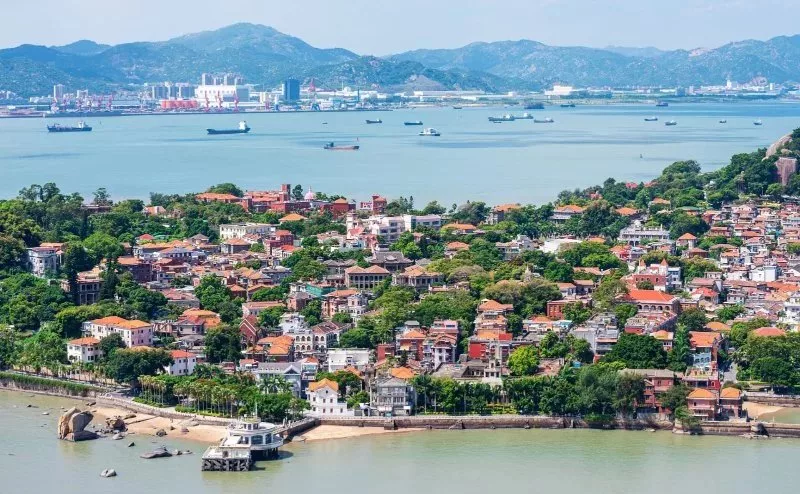
Gulangyu Island, a UNESCO World Heritage Site, is a place where cars are absent; only music fills the air.
It is dotted with more than 1,000 historic buildings that tell the story of centuries of cultural exchange between China and the rest of the world.
Accessible by a short ferry ride from downtown Xiamen, the 1.88-square-kilometre island has become one of China’s most treasured heritage destinations.
For African travellers looking to explore a different side of China, it offers an experience that is as enriching as it is relaxing.
Often compared to historic island towns around the world, Gulangyu evokes memories of Kenya’s Lamu Old Town and Zanzibar’s Stone Town.

In the latter, narrow streets, preserved architecture and rich cultural heritage transport visitors back in time. Yet Gulangyu has a character all its own.
The island is home to more than 1,000 well-preserved historic buildings, many dating back more than a century.
Their architecture reflects a unique blend of Chinese, European and Southeast Asian influences, a legacy of Gulangyu’s role as an international settlement during the late 19th and early 20th centuries.
Elegant villas, churches, consulates and traditional Chinese homes stand side by side, creating an architectural landscape unlike anywhere else in China.
Every street reveals another beautifully preserved building, hidden garden or quiet courtyard waiting to be explored.
In recognition of its exceptional cultural value, UNESCO inscribed Kulangsu: A Historic International Settlement on the World Heritage List in 2017.
The UN body praised the island as an outstanding example of cultural exchange between East and West.
But Gulangyu is more than an architectural treasure.
It is widely known as China’s ‘Piano Island’, a nickname earned through generations of musical tradition that continues to define its identity.
Music is everywhere; from concert halls, museums and schools, while street performers and musicians often entertain visitors in public spaces.

The island is home to China’s first Piano Museum, where visitors can see an extraordinary collection of antique pianos from different periods and countries.
It also hosts China’s only Organ Museum, which houses one of the world’s largest collections of historic pipe organs.
Each July, Gulangyu comes alive during the annual Gulangyu Music Festival, which brings together celebrated musicians from China and around the world.
Concerts are staged in historic buildings, beaches and open public spaces, with many performances offered free of charge to encourage public participation.
For visitors, the festival transforms the island into a giant open-air concert venue where music becomes part of the landscape.
Perhaps the island’s most distinctive feature, however, is what visitors will not find – cars, just like Lamu’s donkeys.
Motor vehicles are prohibited on Gulangyu, allowing visitors to stroll through quiet lanes without the noise and congestion common in many cities.
The absence of traffic creates a peaceful atmosphere that encourages leisurely exploration. Walking is the best way to discover the island’s charm.
Around every corner are cafés, boutique hotels, museums, art galleries and small shops selling local delicacies and handcrafted souvenirs.
Several scenic viewpoints offer breathtaking views of Xiamen’s modern skyline across the water, showcasing the carefully preserved cultural heritage.
The island’s coastline is equally inviting. Sandy beaches, rocky shores and lush gardens provide ideal spots to relax after exploring its historic streets.
For Kenyan and African travellers increasingly visiting China for business, education and tourism, Gulangyu presents an opportunity to experience a side of the country that many international visitors overlook.
While cities such as Beijing, Shanghai and Guangzhou remain popular destinations, the island demonstrates that China’s cultural richness extends far beyond its major commercial centres.
The island also offers valuable lessons in heritage conservation.
Like Lamu Old Town in Kenya, it shows how historic buildings can be preserved while remaining part of a vibrant, living community.
Residents continue to live and work on the island, ensuring that it remains more than just an open-air museum.
China and African countries seek to continue to strengthen people-to-people exchanges through tourism, education and cultural cooperation.
As such, destinations such as Gulangyu provide new opportunities for visitors to better understand the country’s history and traditions.
For anyone planning a trip to China, Gulangyu is a reminder that some of the country’s greatest attractions are in the history, culture and music carefully preserved for generations.