


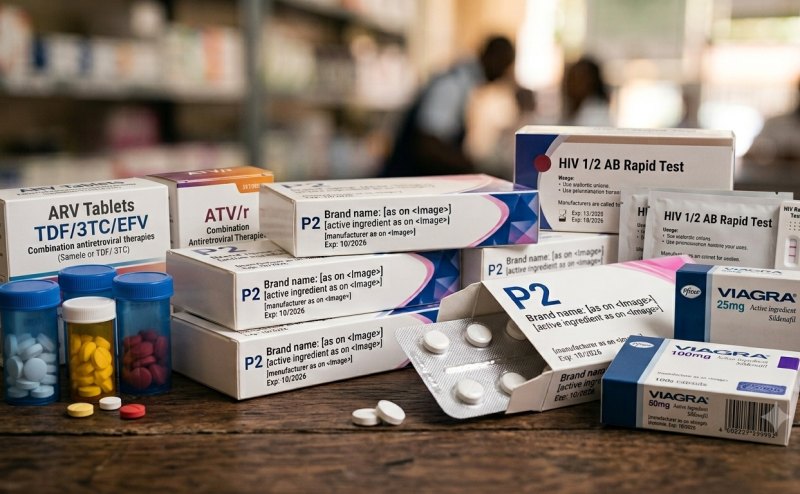
The Ministry of Health has warned Kenyans against a growing number of counterfeit medicines and medical products circulating in the country, saying fake HIV drugs, HIV testing kits, emergency contraceptive pills (P2), Viagra and other essential medicines are putting lives at risk.
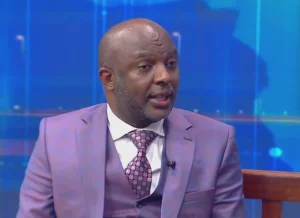
Health Cabinet Secretary Aden Duale announced that the government has intensified its crackdown on substandard and falsified medical products, urging members of the public to buy medicines only from licensed pharmacies and recognised healthcare facilities.
“Patient safety must come first. We will not tolerate the manufacture, importation or sale of unsafe medicines.”
The warning was issued during the launch of Kenya’s National Action Plan on Substandard and Falsified Medical Products, where government agencies outlined new measures aimed at protecting the country’s pharmaceutical supply chain.
Fake HIV kits, P2 and Viagra among products flagged
Officials from the Pharmacy and Poisons Board (PPB) said investigations have uncovered counterfeit HIV rapid diagnostic test kits, fake antiretroviral medicines (ARVs), falsified emergency contraceptive pills (P2), counterfeit Viagra and substandard blood-thinning medicines used during dialysis.
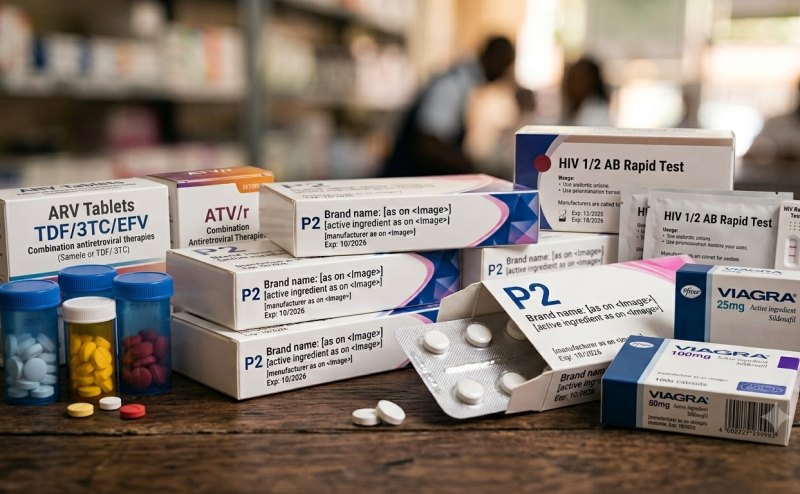
Health experts warned that fake HIV test kits could produce false positive or false negative results, delaying treatment or giving patients misleading information about their health status.
Counterfeit ARVs and other medicines may also contain incorrect ingredients, the wrong dosage or no active medicine at all, increasing the risk of treatment failure and drug resistance.
Government steps up surveillance.
According to CS Duale, the government is strengthening market surveillance and introducing a national digital “track and trace” system that will enable authorities to monitor medicines from manufacturers to patients.
The pilot phase was completed in June, with the full rollout expected to begin in August.
“Buy medicines and medical products only from licensed pharmacies and healthcare facilities.”
The Ministry said tougher enforcement will target illegal distributors, unlicensed pharmacies and criminal networks involved in counterfeit medicines.
A threat beyond individual patients
The World Health Organization (WHO) estimates that one in every 10 medical products in low- and middle-income countries is either substandard or falsified, posing a significant public health challenge.
Counterfeit medicines can lead to treatment failure, prolonged illness, preventable deaths, and reduced confidence in healthcare systems.
During the launch, officials cited cases where falsified medicines had nearly endangered patients, including a dialysis patient whose treatment was halted after healthcare workers suspected a counterfeit blood thinner.
Public urged to remain vigilant.
The Ministry is encouraging Kenyans to verify that pharmacies are licensed before purchasing medicines, avoid buying drugs from informal vendors or unverified online sellers, and report suspected counterfeit products to health authorities.
As the nationwide crackdown continues, officials say stronger regulation, improved technology and public awareness will be key to preventing dangerous medical products from reaching patients and protecting confidence in Kenya’s healthcare system.