


The Senate Standing Committee on Lands, Environment and Natural Resources has proposed changes to the Mining Act to give host communities a greater voice in determining how they benefit from mineral resources found on their land.
The proposal emerged during a public hearing at Bushangala Secondary School in Ikolomani over concerns surrounding the proposed extraction of gold deposits valued at Sh680 billion.
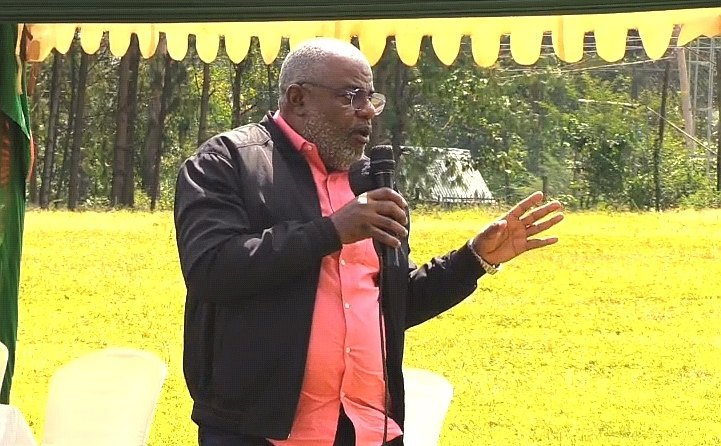
Committee chairman Mohamed Faki said the team would recommend amendments to the Mining Act in its report to the Senate to strengthen the role of communities in benefit-sharing.
“MPs know about land and resource issues. The law is clear that you may own land, but the resources underneath belong to the state. It is the responsibility of all MPs to relook at the law so that we can give landowners a bigger say in determining the benefits they receive,” he said.
Faki said the local community, Shanta Gold Kenya and the government should continue engaging to resolve outstanding differences and allow the project to move forward.
Under the current Mining Act, royalties from mineral resources are shared as follows: 70 per cent to the national government, 20 per cent to county governments and 10 per cent to the host community.
The community, however, argues the allocation to host communities is too low, given they own the land on which the minerals are found.
The law also provides that communities in mining areas receive one per cent of the gross benefits through a Community Development Agreement (CDA).
The committee’s visit followed a petition to the Senate by residents opposed to the possible displacement of about 800 families from 337 acres to pave the way for mining operations.
Led by Kakamega Senator Boni Khalwale, the community said it risked losing its identity if forced off its ancestral land and called for an agreement that guarantees a fairer sharing of benefits.
“We don’t want royalties. We want sharing of benefits on the basis of 50 per cent for the community and 50 per cent for the technology provided by the investor. We will only work with an investor on a win-win arrangement,” he said.
Khalwale said the proposed project could affect key institutions, including schools, colleges and health facilities.
Kakamega Woman Representative Elsie Muhanda called for underground mining instead of open-cast extraction to minimise disruption to the community’s ancestral land. She also argued there had not been meaningful public participation.
Shanta Gold Kenya’s sustainability and corporate affairs manager Washington Okumu said the company remained committed to engaging the community to address all concerns surrounding the project.
He said the company, the government and the community needed to continue working together to resolve the issues raised by residents.
Okumu said the company was identifying resettlement sites close to the affected communities.
“In our mining plan, no institution, whether a school or a hospital, will be relocated or affected. We chose areas with minimal populations and we’re ready to continue engaging on this,” he said.
Mining PS Harry Kimtai assured residents that public engagement would continue throughout the process and no evictions would take place without due legal process.