Africa could benefit greatly from China’s new push to give developing nations more power in global decision-making.
A new Chinese white paper, titled More Just and Equitable Global Governance: China’s Principles, Proposals and Actions, says the current international system is outdated and needs reform.
It argues that countries in Africa, Asia and Latin America deserve a stronger voice in global affairs.
The document was released by China’s State Council Information Office as among efforts to entrench President Xi Jinping’s Global Governance Initiative.
China says its Global Governance Initiative aims to amplify the voice of developing countries, including African nations.
This is expected to play out in international institutions and also in rule-making processes that have historically been dominated by advanced economies.
The paper places Africa at the center of China’s efforts to raise the profile of the Global South in areas like economic policy, development funding, climate talks and new technologies.
The paper notes that developing countries now make up a larger share of the global economy, so they should have more say in international institutions.
“The collective rise of the Global South is a distinctive feature of the great transformation across the world,” the document states.
It adds that developing countries have become “an important force for maintaining world peace, driving world development, and improving global governance.”
For Africa, the proposals support long-standing calls for reform in global institutions where the continent remains underrepresented despite its large population and growing economic importance.
China says reforms should increase the voice of developing countries, especially in financial institutions and governance systems set up after World War II.
The document supports making global governance more inclusive while keeping the United Nations at the center.
Beijing believes multilateral institutions should adapt to changes in the world rather than stay dominated by wealthy nations.
The white paper comes as African countries push for more influence, including for a seat in the UN Security Council.
Africa has also been campaigning for a fairer access to development finance, and a stronger role in setting rules on trade, technology and climate.
China presents itself as a partner in the contintent’s effort, calling its ties with developing countries a key part of its foreign policy.
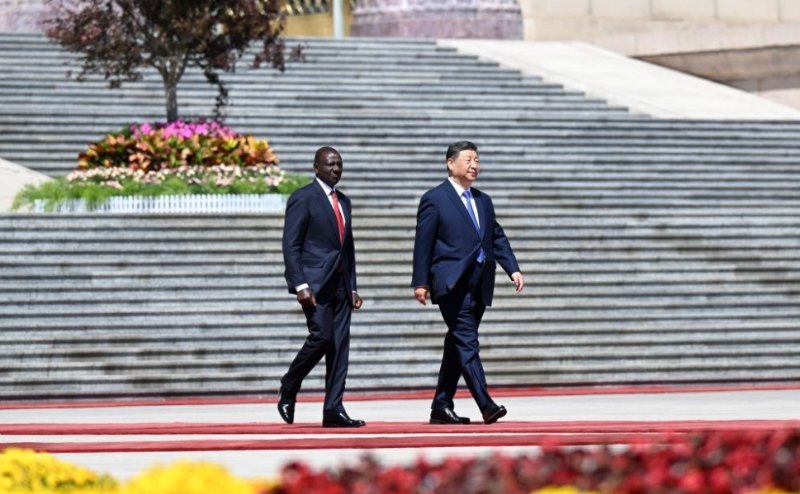
President Xi has on many occasions reiterated China’s commitment to supporting Africa’s growth, the latest being the 100 per cent tariff-free lines for various African commodities.
The paper also criticises unilateralism, protectionism and the use of sanctions, saying they harm global cooperation and development.
While it does not name any country, the language reflects Beijing’s criticism of Western dominance in global institutions.
For Africa, the proposals have major economic implications.
China argues developing countries need more access to financing, technology and development opportunities to reduce global inequalities. It points to infrastructure investment, trade and development programs as examples of efforts to close development gaps.
The white paper also links governance reform to challenges like climate change, artificial intelligence, public health and food security.
The cited themes cover areas where African countries often face serious risks despite contributing little to the problems.
Beijing says developing countries must help shape rules on emerging technologies and climate action, rather than just follow rules made elsewhere.
The document also highlights China’s role in UN peacekeeping, climate agreements, development financing and conflict resolution.
According to the paper, global reforms should improve the current system, not tear it down, making it fairer and more responsive to developing nations.
The white paper is likely to have a buy-in in Africa, where governments have been seeking stronger representation and greater recognition of the continent’s importance.
For China, the document serves as both a vision for a reformed international order and a signal of continued support for the Global South.
China’s message is clear that as global power shifts, Africa and the Global South should help shape the future, not play in the sidelines.