


Kenya is stepping up efforts to attract Chinese investment into tea processing, packaging and manufacturing as it seeks to capture more value from one of its biggest export earners instead of continuing to ship most of its tea in bulk form.
Speaking at the China-Africa Forum on Agritech and Industrial Cooperation in Nairobi, Tea Board of Kenya Chief Executive Officer Willy Mutai said the country is actively encouraging Chinese firms to establish tea processing, packaging and value-addition operations locally, positioning the sector as a key manufacturing opportunity under growing Kenya-China trade ties.
Mutai, who represented Agriculture Principal Secretary Kiprono Rono at the forum, said Kenya’s recent trade gains with China, including zero-tariff access for tea exports, should be complemented by increased industrial investment that allows more tea to be processed and packaged within the country before reaching consumers.
“We are encouraging more Chinese investors to apply for export licences and invest in Kenya. Kenya is open for any investor to buy, process and export tea,” said Mutai.
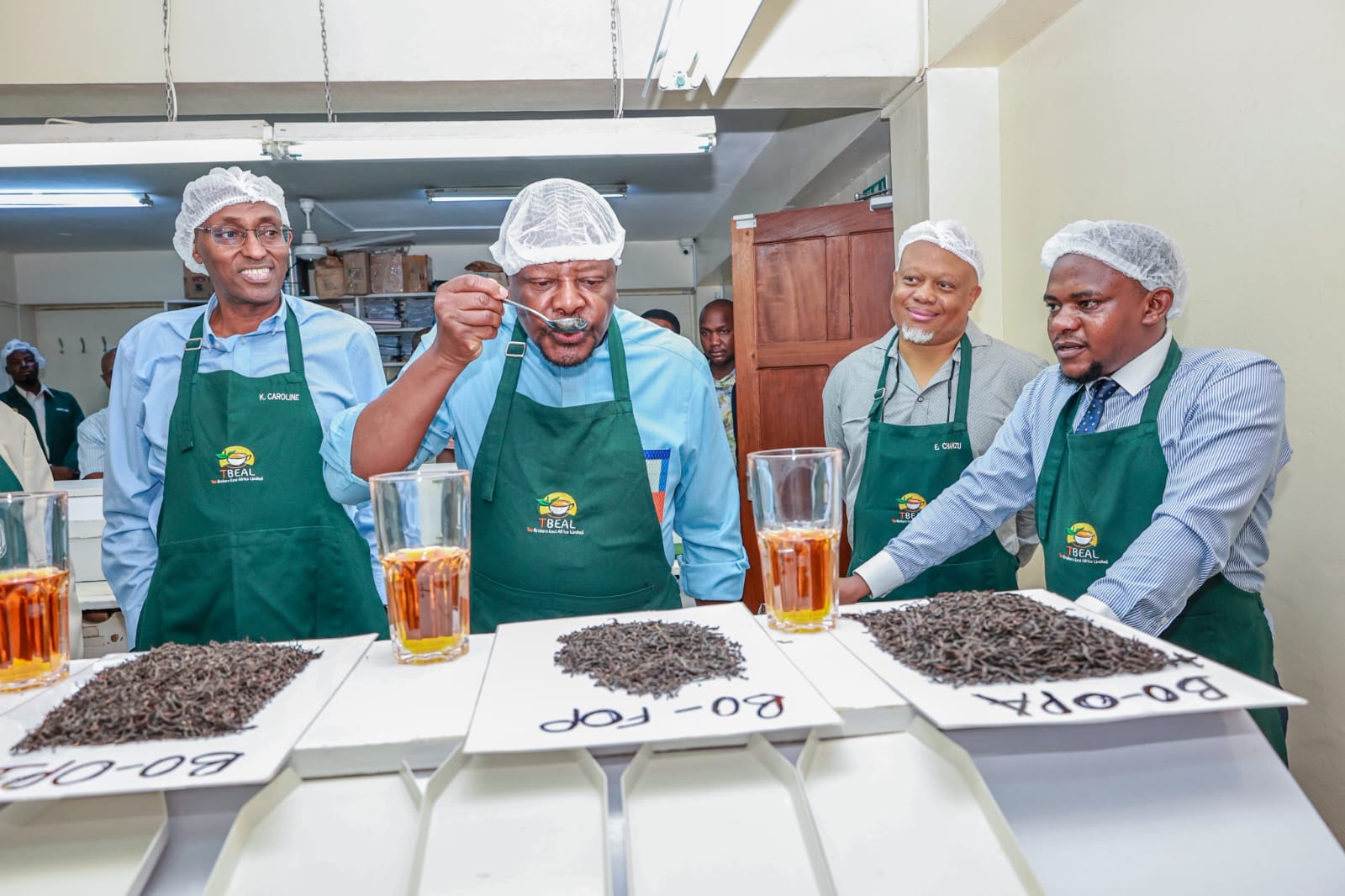
The push reflects a broader shift in Kenya’s tea industry from a long-standing model of exporting bulk tea for blending and packaging abroad to one that retains more value within the country through local manufacturing and branding.
According to the Tea Board, Chinese firms have already established a presence in Kenya’s tea value chain, with four Chinese companies licensed to pack and export tea directly from the country.
Several factories have also begun deploying Chinese tea-processing technologies designed to meet the preferences of consumers in the Chinese market.
Mutai said three companies are already using Chinese technology in tea production while additional investments are under development, signalling deeper industrial cooperation between the two countries.
The investment drive comes as Kenya seeks to diversify its export destinations and reduce reliance on traditional tea markets such as Pakistan, Egypt, the United Kingdom and Sudan.
China’s decision to grant zero-tariff treatment to products from dozens of African countries has opened a new avenue for Kenyan exporters and investors looking to tap into one of the world’s largest consumer markets.
Industry players see the tariff-free access as an opportunity not only to increase tea exports but also to attract manufacturing investments geared towards serving Chinese consumers directly.
Beyond processing plants, Kenya is also targeting investment in tea packaging materials, machinery and related manufacturing activities.
Mutai noted that the government has removed duties on packaging materials used in the tea sector in a bid to encourage local value addition and lower production costs for processors.
“This is an area that is open for investors. Most packaging materials currently come from China, India and Sri Lanka, and there are opportunities to establish more of this manufacturing locally,” he said.
The Tea Board estimates that Kenya produces some of the highest-quality tea globally, aided by favourable climatic conditions and year-round production.
The country remains the world’s leading exporter of black tea and is increasingly promoting specialty products such as green tea and purple tea to capture premium market segments.
However, from different speakers at the forum it emerged that Kenya earns less than it could from tea because a significant share of exports leave the country in bulk form before being packaged and branded elsewhere.
Greater investment in processing and packaging capacity could help Kenyan producers capture higher margins while creating jobs in manufacturing, logistics and distribution.
The sector is also exploring digital innovations to improve market access. Mutai revealed that Kenya and China are working on a collaborative online tea trading platform that could enhance direct market linkages between buyers and sellers and reduce transaction costs.
The initiative forms part of wider efforts to modernise tea marketing while strengthening commercial ties between Kenyan producers and Chinese buyers.
Chinese Ambassador to Kenya Guo Haiyan said Beijing’s expanded market access measures provide a “golden opportunity” for African agricultural exports and could spur greater investment across value chains.