




June marks a significant period on the global health calendar as Men’s Mental Health Awareness Month. This month is dedicated to shining a light on the unique psychological challenges faced by men.
It is a vital opportunity to challenge outdated ideas about masculinity and encourage open dialogue.
Why June?
The decision to focus on men’s mental health in June is deliberate. It coincides with National Men’s Health Month, which traditionally focuses on physical fitness and screenings. By linking the two, experts aim to highlight how mental strain directly impacts physical health.
The month also serves a more urgent purpose: dismantling the “strong and silent” culture. For generations, many men have been conditioned to suppress their feelings. This often leads to bottled-up stress, anxiety, and depression.
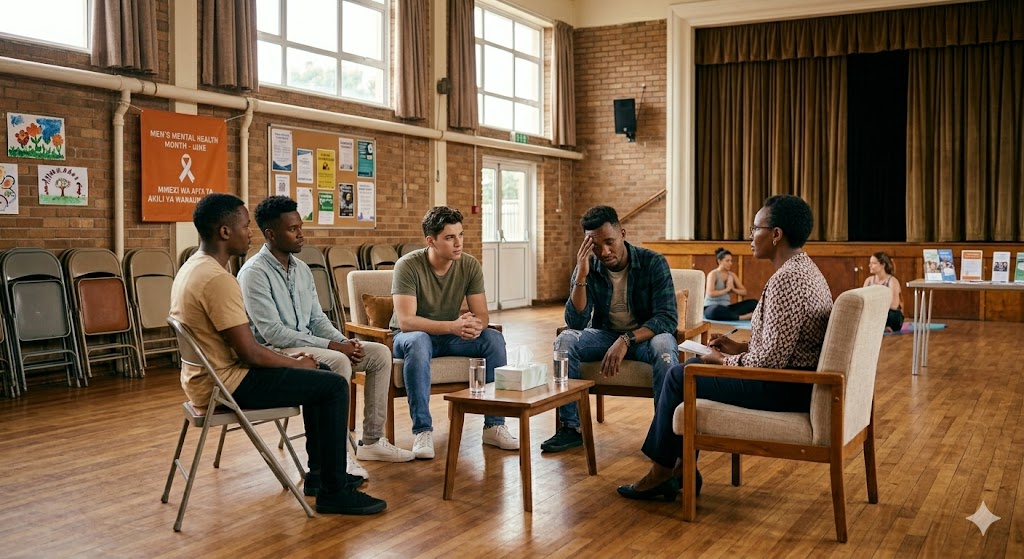
The 2026 Mantra: Bring Empathy Back
Every year, the movement adopts a core focus to drive change. The overarching theme for 2026 is “Bring Empathy Back.” This mantra aims to close the empathy gap that often exists when men discuss their emotional struggles.
“Your mental well-being is a strength, not a weakness.”
The goal for 2026 is to make therapy a normal part of life for men. It encourages communities to move away from the harmful “toughness” stigma. Instead, the focus is on creating a culture where asking for help is seen as an act of true bravery.
The Stark Reality in Numbers
Statistics highlight why this month remains so critical for public health.
- 1 in 5: The number of men who experience a mental health condition.
- 80%: The percentage of all suicides accounted for by men, according to a 2022 data.
- Seeking Help: Men are significantly less likely than women to seek professional mental health treatment.
Spotting the Signs
Men often express distress differently than women, which can make struggles harder to spot. Awareness involves looking for specific behavioural changes. These can include increased irritability, anger, or sudden social withdrawal.
Physical symptoms are also common indicators. Persistent fatigue, unexplained aches, and changes in sleep patterns can all signal underlying mental health issues. Some men may also appear emotionally numb or detached to avoid difficult conversations.
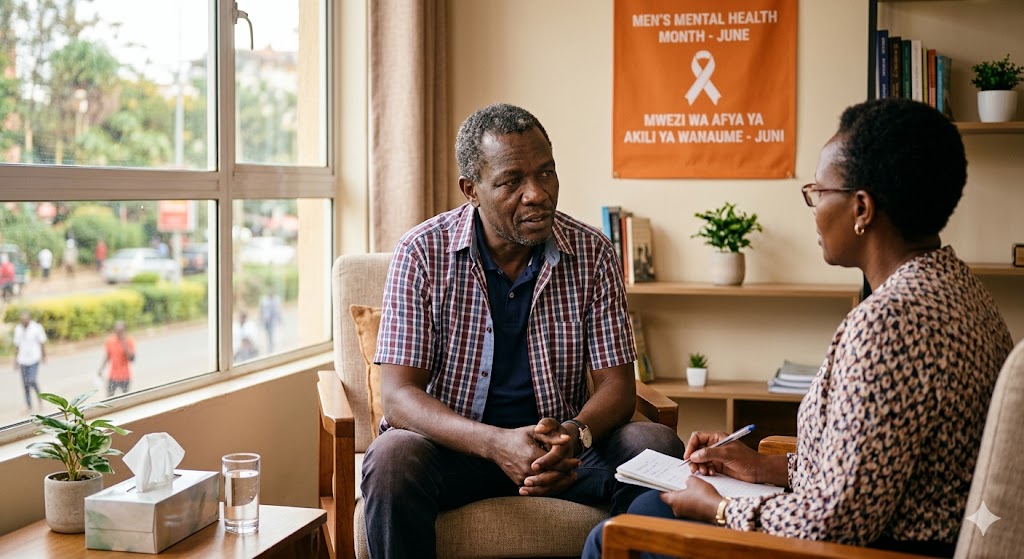
Breaking the Stigma
To make a difference, proactive support is essential. Experts suggest that a simple, direct approach is often the most effective.
“Ask ‘How are you, really?’ and truly listen without judgement.”
Promoting healthy coping mechanisms like regular exercise and social connection can also help combat isolation. Normalising conversations about therapy is another key step.