


In the next chapter of Kenya’s conservation journey, data could prove to be as important as the wildlife itself.
But behind every movement, population trend and emerging threat, there will increasingly be a stronger capacity to capture the evidence, understand the change and respond.
The wildlife may continue to roam the savannahs, forests, wetlands and coastal ecosystems largely unseen by the systems designed to protect them.
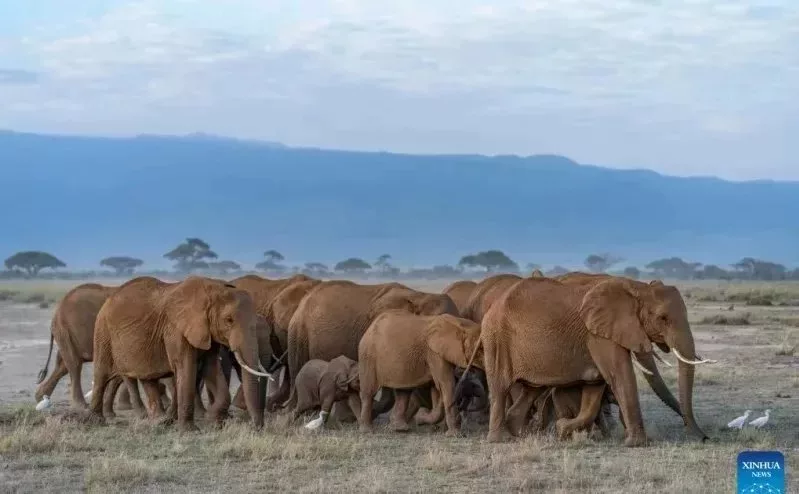
For decades, Kenya’s wildlife conservation story has been built in the bush — in the footprints of elephants tracked across vast landscapes, the roar of lions at dawn, the nesting sites of threatened birds and the painstaking observations of researchers, rangers and conservationists.
But increasingly, the future of that story will also be shaped by something less visible: data.
Dr David Nkendiaye, board chairman of Wildlife Research and Training Institute (WRTI), said the initiative represents a fundamental shift in how Kenya approaches wildlife conservation.
“Modern conservation cannot be separated from reliable information. The national wildlife database (NWD) will strengthen our ability to understand what is happening to wildlife and ecosystems and, more importantly, enable decision-makers to act on evidence,” Nkendiaye added.
He said the collaboration will be critical to the success of the initiative.
“The national wildlife database must be a shared national resource. Its success will depend on strong collaboration among government agencies, researchers, conservation organisations, communities and other stakeholders.
When we bring our knowledge and data together, we strengthen the country’s capacity to protect its wildlife.”
WRTI director Dr Patrick Omondi says the database is about turning information into action.
“The value of wildlife data is not in its collection alone, but in how effectively that data is transformed into knowledge and ultimately into action.
“The national wildlife database will provide a stronger foundation for researchers, managers and policymakers to access and use information for better conservation outcomes,” Omondi said.
Omondi added that the launch will not be the end of the journey but the beginning of a new phase in wildlife information management.
“We are moving towards a conservation system where decisions are increasingly informed by timely, credible and accessible evidence.
“The launch of the national wildlife database will be an important milestone, but its real impact will be measured by how the information is used to improve conservation outcomes on the ground.”
WRTI is a state corporation under the Ministry of Tourism and Wildlife with a mandate of providing coordinated wildlife research and comprehensive data to inform science-based solutions that inform policy decisions and management approaches and create innovative wildlife-based products and services in the wildlife sector.
Kenya is taking a major step towards transforming how the country understands, manages and protects its wildlife with the development of the NWD, an integrated platform that will bring together critical wildlife information to support research, conservation planning and evidence-based decision making.
The platform, being developed under the leadership of WRTI is expected to be launched later this year, marking a significant milestone in Kenya’s efforts to modernise wildlife information management.
On Wednesday, September 16, the state corporation will convene a stakeholders’ engagement forum at Voi Safari Lodge to discuss the development and application of the database, bringing together conservation agencies, researchers, government institutions and other stakeholders who generate or use wildlife data.
The NWD seeks to address one of conservation’s most persistent challenges: having the right information, in the right place, at the right time.
Wildlife populations are constantly changing.
Species move across landscapes, habitats are transformed, human-wildlife interactions evolve, while emerging threats such as invasive species, disease and climate change continue to reshape ecosystems.
Experts warn that responding to these changes can be slow, fragmented and costly without reliable and accessible information.
The database is envisioned as a central platform through which wildlife information can be systematically generated, managed, analysed and utilised.
The significance of the database extends beyond simply storing information.
By bringing together wildlife data generated through research, monitoring and field-based conservation programmes, the platform has the potential to provide a more comprehensive picture of Kenya’s wildlife and its changing ecosystems.
Such information can help inform decisions on species management, protected-area planning, habitat restoration, wildlife security, human-wildlife conflict mitigation and national conservation priorities.
It can also strengthen the ability of researchers and conservation practitioners to identify emerging trends and threats before they become crises.
The initiative comes at a time when Kenya’s wildlife sector is increasingly required to demonstrate the impact of conservation interventions through measurable evidence.
From monitoring population trends to assessing the effectiveness of conservation programmes, reliable data is becoming indispensable.
The database could also improve coordination among institutions by reducing fragmentation in wildlife information management and creating opportunities for different stakeholders to contribute to, access and utilise relevant information.
For a country whose wildlife supports tourism, livelihoods, ecological resilience and national heritage, the implications are significant.
Tourism remains closely linked to the health and diversity of Kenya’s wildlife and natural ecosystems.
Better information can therefore contribute not only to conservation but also to more informed tourism planning and sustainable management of wildlife resources.
The benefits are expected to extend to communities living alongside wildlife.
Data on wildlife movements, population dynamics and human-wildlife interactions can support more targeted interventions in areas experiencing conflict between people and wildlife.
Rather than relying primarily on reactive measures, authorities and conservation partners can increasingly use evidence to anticipate risks and design interventions suited to specific landscapes.
The database also represents an important investment in Kenya’s scientific capacity.
WRTI is expected to play a central role in ensuring that the information generated through research and monitoring contributes directly to national conservation decisions.
The stakeholders’ forum in Voi will provide an opportunity to demonstrate the database’s functionality and gather perspectives from those who will generate, manage and use wildlife information.
Stakeholders will also deliberate on ways of strengthening wildlife data generation, management and utilisation as the country prepares for the platform’s official launch.
As Kenya prepares to unveil the platform later this year, the NWD promises to add a new dimension to the country’s conservation story.