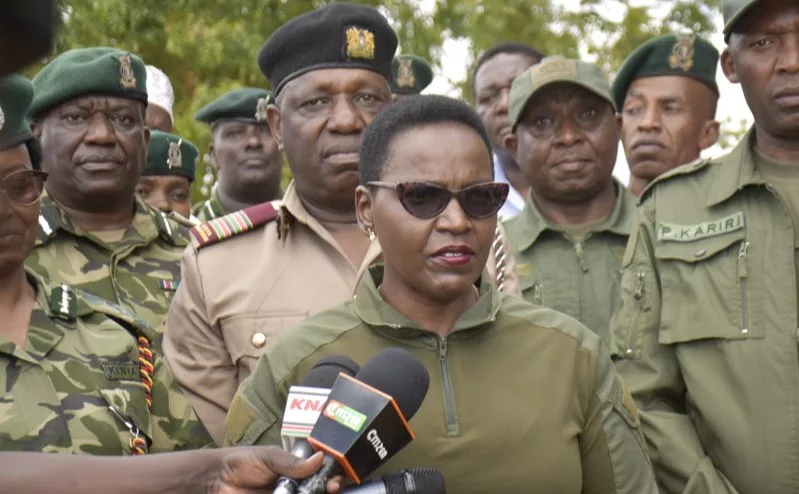
The government has enrolled more than 60 per cent of inmates under the Social Health Authority (SHA), Principal Secretary for Correctional Services Salome Beacco has said.
Beacco said the government is fully funding the SHA cover for inmates as part of President William Ruto’s directive to ensure that the most vulnerable members of society have access to healthcare.
“The SHA cover for inmates is being paid for by the government. This is a presidential directive based on the recognition that the most vulnerable members of society, including indigent people at the bottom of the economic pyramid, must also be covered,” Beacco said.
She said enrolment was progressing well despite challenges posed by the high mobility of inmates.
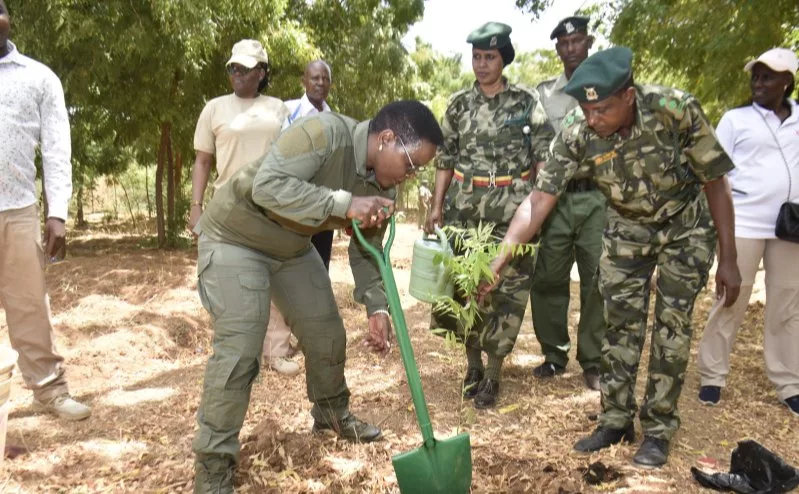
She spoke at Garissa Main Prison on Thursday during the State Department’s monthly tree-planting programme as part of a nationwide environmental conservation campaign.
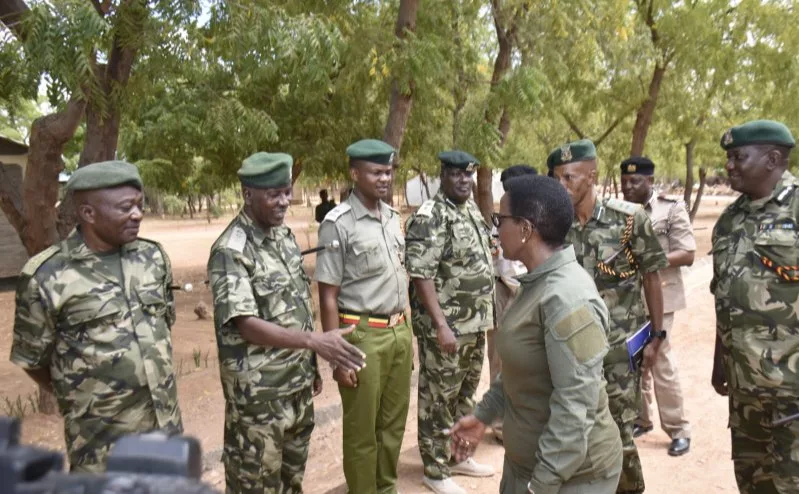
She was accompanied by Deputy Commissioner General of Prisons Jane Karii, directors and other senior national government officials.
The PS said the government had allocated resources to ensure that all inmates are eventually covered.
“I am happy to report that we are doing quite well. We have now exceeded the 60 per cent mark,” she said.
The biggest challenge, she said, was the constant movement of inmates into and out of correctional facilities, with some being released shortly after admission before their particulars can be captured.
The government has adopted a multi-sectoral approach involving the Ministry of Health, the Department for Citizen Services through the National Registration Bureau and the Department for Correctional Services to ensure all inmates are registered.
“This is a continuous programme. We are using a multi-sectoral approach to ensure inmates are registered,” Beacco said.
She said the government remains committed to achieving universal healthcare coverage, noting that more than 32 million Kenyans had so far been registered under SHA.
The PS said correctional officers were already beneficiaries of the medical cover and that the government was determined to ensure inmates were not left behind.
The tree-planting initiative is prioritising drought-resistant species, including neem trees, particularly in arid and semi-arid areas such as Garissa.
“Kenya Prisons Service has been at the forefront of reclaiming degraded land. You can see behind me that we have many trees, and this is part of our efforts to restore the environment,” she said.
The tree-planting initiative was also being complemented by efforts to reduce the use of biomass and fossil fuels in correctional facilities.
The department is transitioning to cleaner sources of energy, including liquefied petroleum gas (LPG) and solar power, through a Rapid Results Initiative to be implemented during the current financial year.
“We hope that within the next 12 months, we will have completely transitioned to clean energy as directed by the President,” she said.
Ruto has set a target of having Kenya plant 15 billion trees by 2032, while the government is also pursuing restoration of degraded landscapes, water towers and semi-arid areas across the country.
The PS said her department was determined to move faster than the national timeline for transitioning institutions away from fossil fuels and biomass.
“We want to leapfrog that target by ensuring that it is achieved within this financial year,” she said, praising correctional officers for their commitment to environmental conservation.
Beacco inspected various programmes aimed at improving the welfare of correctional officers and probation personnel.
She said the government had commenced construction of houses for correctional officers following recommendations by a presidential task force.
Beacco said the third phase of salary increments for officers had already been implemented in July, with housing forming another key component of the welfare reforms.
She said the government was targeting the construction of at least 28,000 houses for correctional officers in the long term.
She disclosed that several staff houses have already been constructed in areas including Ruiru, Thika, the Coast region and Vihiga, serving officers from both the Kenya Prisons Service and the Probation and Aftercare Service.
The next phase of the housing programme will be rolled out during the current financial year, targeting at least 3,000 additional houses in correctional facilities.
The government has constructed several houses for officers working under the Probation and Aftercare Service to improve their working conditions and morale.
The PS said the department was reviewing promotions within the Probation and Aftercare Service as part of broader efforts to improve staff welfare.
She said the government was also considering recruiting additional probation officers to strengthen the service.
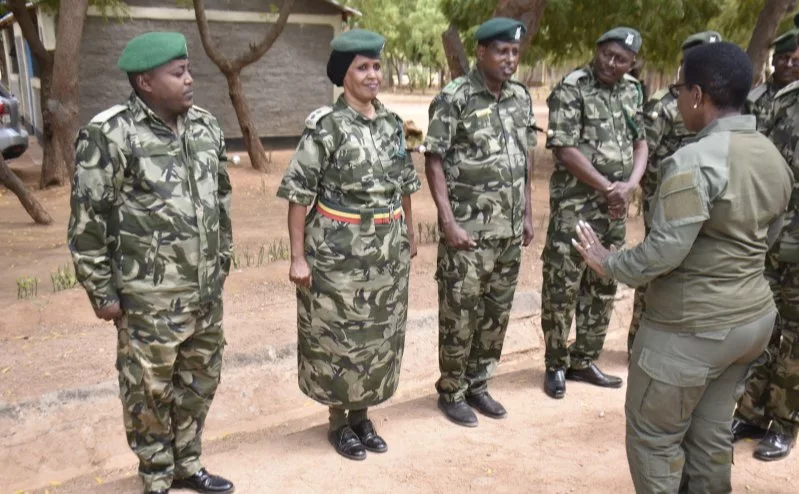
Principal Secretary for the State Department for Correctional Services Dr Salome Beacco interacts with prison officers at the Garissa medium prison. /STEPHEN ASTARIKO
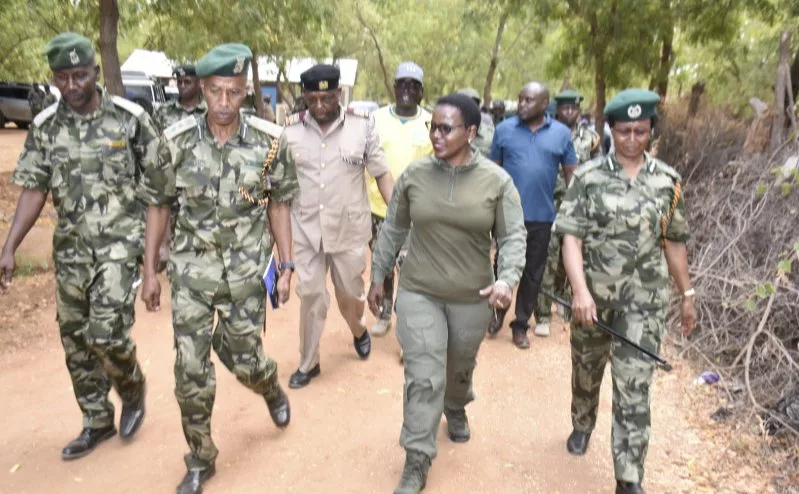
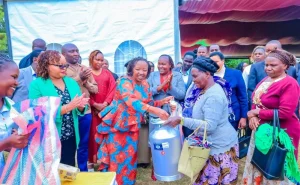
Principal Secretary for the State Department for Correctional Services Dr Salome Beacco with other prison officers at the Garissa medium prison . /STEPHEN ASTARIKO