
KCB Group’s plan to raise up to Sh300 billion through a five-year sustainability bond programme will test Kenya’s ability to convert growing investor appetite for green finance into bankable projects.
The lender plans to raise funds for projects that have environmental or social benefits.
The plan will support a new borrowing programme, with the first round expected to raise up to Sh100 billion, subject to approval by regulators and favourable market conditions.
The proceeds will be ring-fenced for green, blue and social projects, including renewable energy, sustainable agriculture, clean transport, water management, affordable housing and financing for small businesses and women and youth-led enterprises.
But while Kenya is attracting increasing interest from investors seeking sustainable assets, market officials and climate finance experts say the bigger challenge is no longer availability of capital but the shortage of well-structured, investment-ready projects.
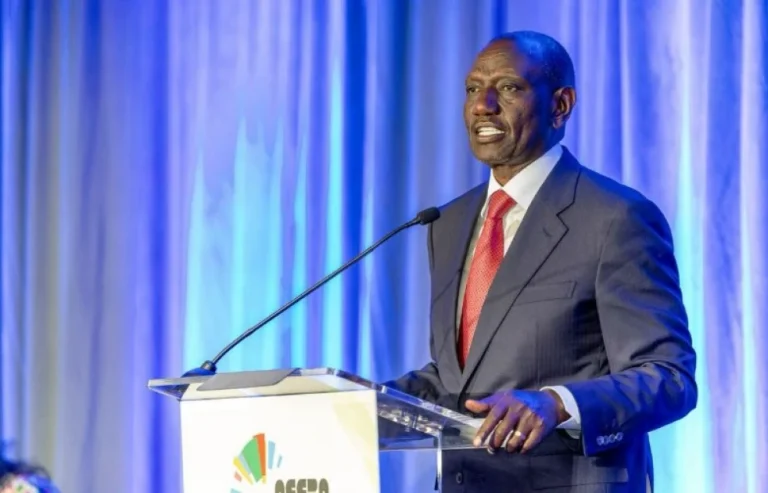
NSE chief executive Frank Mwiti said the market has sufficient capital to finance sustainable investments, but project origination and structuring remain major bottlenecks.
“It’s a big challenge originating projects that can actually absorb capital. The projects also need to be properly structured to meet financing and post-issuance requirements,” said Mwiti.
According to market leaders raising Sh300 billion will depend not only on investor demand but also on the bank’s ability to build a pipeline of projects that meet the sustainability framework and generate sufficient financial and development returns.
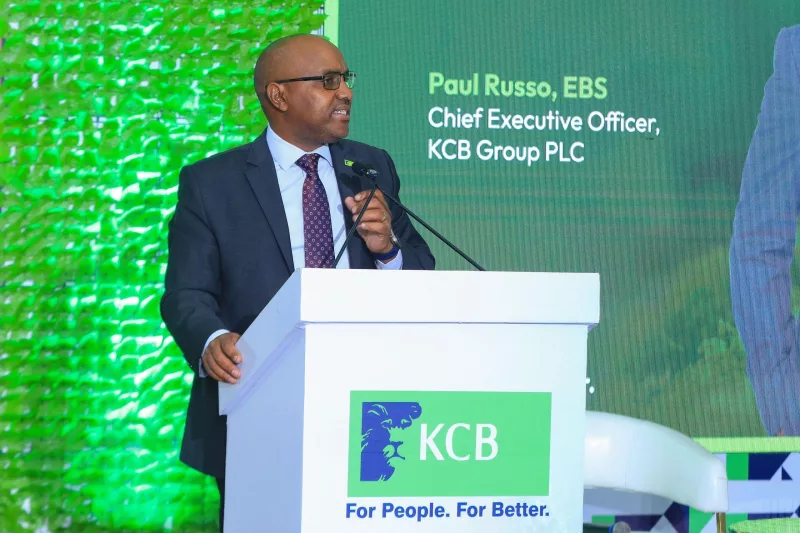
KCB Group chief executive Paul Russo said the framework is designed to create a disciplined mechanism for directing capital towards investments with measurable environmental and social benefits.
“The launch of the Sustainability Bond Framework is a natural progression of the work the Group has been doing over the last two decades to structure innovative financing solutions and support investments that have a meaningful economic and social impact,” said Russo.
The bank intends to use the green component to finance renewable energy, energy-efficient buildings, clean and low-emission transport, sustainable agriculture, and water and waste management. The blue component will target marine and coastal ecosystems, while the social component will support affordable housing, MSMEs, women and youth-led enterprises and job creation.
The size of the programme comes against a backdrop of a massive financing requirement for Kenya’s climate ambitions.
National Treasury estimates that the country requires about $62 billion (Sh8 trillion) to implement its current Nationally Determined Contribution, highlighting the scale of financing needed to meet climate and development targets.
Climate officials, however, warned that international public finance alone will not be sufficient, increasing the importance of private capital and instruments capable of crowding in additional investment.
Kenya’s blue economy is one area where the government sees significant room for private investment.
Principal Secretary for Blue Economy and Fisheries, Betsy Njagi said the sector’s potential is at about Sh350 billion, with opportunities spanning fisheries, aquaculture, shipping, logistics, maritime services, eco-tourism and blue carbon.
The government is targeting an increase in revenue generated from the sector from about Sh40 billion currently to Sh150 billion, with a longer-term goal of reaching Sh200 billion by 2030.
“The publication of the Sustainability Bond Framework by KCB Group is a step in the right direction as it complements Government’s broader commitment to diversifying Kenya’s sources of development financing,” said Njagi
The sustainability bond therefore comes as policymakers seek to move beyond strategies and climate commitments towards actual investment pipelines.
Mwiti added that market appetite appears relatively strong, citing recent Kenyan sustainable debt transactions that attracted bids significantly above the amounts sought, including a Safaricom green bond that sought Sh15 billion and received offers of Sh41 billion.
He said such transactions demonstrate that investors are willing to commit capital where instruments are credible, properly structured and offer competitive risk-adjusted returns.
“The challenge, consequently, could shift from raising money to finding enough credible investments to deploy it,” added Mwiti.
The bank says it has disbursed more than Sh187 billion in green loans since 2022, including Sh48.8 billion in green financing across its regional markets last year.
The financing has supported renewable energy, sustainable agriculture, green buildings, clean transportation, water management and climate-smart investments.
The bank is also expected to rely on blended and catalytic finance to stretch the impact of the money raised.