



Uchumi Supermarkets has defended its failure to pay salary arrears and terminal benefits to former staff citing a court-approved rescue plan that prioritises creditors.
The retailer told Parliament that it is bound by a Company Voluntary Arrangement (CVA), established under the Insolvency Act, 2015, which prescribes the order in which all creditors must be paid under a legally binding “waterfall” structure.
The position was presented to the National Assembly’s Public Petitions Committee that is considering a petition by former staff seeking payment of long-outstanding salaries and terminal dues.
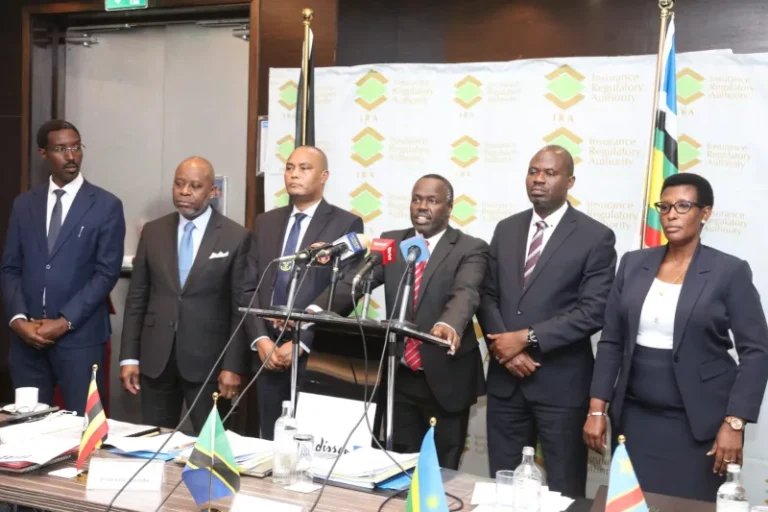
Uchumi chairman John Mwaura appeared before the Muchangi Karemba led committee to respond to the petition by Uchumi Staff Welfare Association, chairperson Philomena Oburenyi and secretary Aloise Mukoma who are pushing for the settlement.
In its submissions, the retailer said the CVA became legally binding after creditors approved it and the High Court sanctioned it in July 2020, leaving the board and management with no discretion to favour one class of creditors over another.
“The Board and Management are therefore under a statutory and fiduciary obligation to administer the affairs of the Company strictly in accordance with the provisions of the CVA,” said Mwaura.
The company maintained that former employees are recognised as creditors but can only be paid on a pro-rata basis alongside other verified claims whenever distributable funds become available under the restructuring program.
According to the retailer, making preferential payments to former workers outside the court-approved framework would breach the rescue arrangement and unfairly prejudice other creditors.
Uchumi entered receivership in May 2006 after heavy losses driven by rapid expansion and mounting debt.
Although the supermarket chain briefly recovered, it slipped into a deeper financial crisis between 2015 and 2019, forcing widespread store closures before securing a court-approved restructuring plan.
Instead of liquidating the business, the CVA allows Uchumi to continue trading while repaying creditors over time using cash generated from its operations. The company argues that keeping the retailer alive will deliver better recoveries than selling off its assets.
That strategy has seen Uchumi continue investing in its operations, including expanding its retail footprint, which it says is necessary to generate future revenues that will strengthen its ability to repay creditors.
However, the expansion has drawn criticism from the court-appointed CVA Monitor, Owen Koimburi Njenga.
In separate submissions to the parliamentary committee, Njenga questioned the opening of new branches at Unicity Mall near Kenyatta University and in Kitengela, saying he had neither been consulted on the financing nor asked to approve the investments.
He argued that the expansion raises questions over capital allocation at a time when former employees and other creditors remain unpaid.
Uchumi also blamed delays in settling creditors on a stalled asset sale that formed a key pillar of its recovery strategy.
The retailer said its restructuring plan assumed the disposal of about 17 acres owned by its subsidiary, Kasarani Mall Limited.
However, the land became the subject of a legal dispute after the Kenya Defence Forces occupied the property and an Affordable Housing project was initiated on the site.
The matter is now before the Court of Appeal, preventing the company from unlocking what it estimates is an asset worth more than Sh5 billion.
Mwaura told MPs that resolving the land dispute would significantly strengthen its financial position and enable faster repayments to former employees and other creditors.
For now, however, the retailer insists that all payments must follow the court-approved creditor hierarchy under the CVA, despite mounting pressure from former workers and lawmakers to prioritise employee dues.