



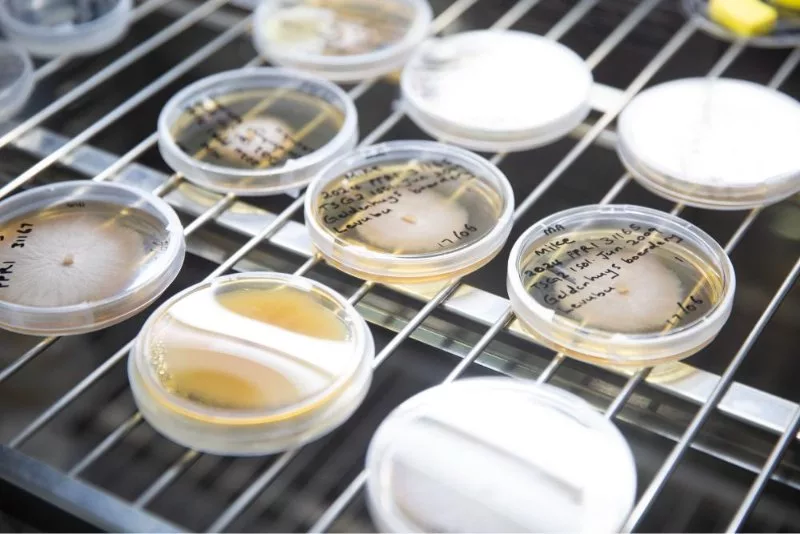
Limited laboratory testing and certification capacity continues to hinder efforts to improve food safety and expand agricultural trade across Eastern Africa.
To address this challenge, the Food and Agriculture Organization of the United Nations (FAO) has trained laboratory experts from five East African countries in advanced techniques for detecting pesticide residues and aflatoxin contamination in food.
The practical training at the Kenya Plant Health Inspectorate Service (Kephis) laboratories in Nairobi brought together 15 laboratory specialists from Kenya, Rwanda, South Sudan, Tanzania and Uganda.
The programme aims to strengthen regional food testing systems, improve compliance with international food safety standards and boost access to regional and global markets.
The initiative comes at a time when food safety has become increasingly important for public health and international trade.
With the implementation of the African Continental Free Trade Area (AfCFTA), countries are under pressure to harmonise food safety standards and strengthen laboratory systems capable of certifying food products for export.
Kephis managing director Prof Theophilus Mutui said reliable laboratory analysis is essential for protecting consumers while supporting agricultural exports.
“Reliable pesticide residue and aflatoxin analysis is fundamental to protecting consumer health, safeguarding the environment and ensuring compliance with international market requirements,” said Prof Mutui.
He said the training reflects the growing commitment among Eastern African countries to strengthen food safety systems, improve laboratory competence and facilitate safe agricultural trade.
The hands-on course focused on modern laboratory methods for analysing pesticide residues and aflatoxins in food products.
Participants received practical training in preparing certified reference materials and samples, extracting and cleaning analytes, calibrating sophisticated laboratory equipment and participating in proficiency testing schemes for pesticide residues in avocado.
Speaking on behalf of FAO’s Subregional Office for Eastern Africa (FAO-SFE), project coordinator Martin Kimanya urged participants to apply the knowledge gained in their respective countries and share the skills with fellow laboratory professionals.
He said stronger food testing systems would not only protect the health of millions of East Africans but also help local farmers and food processors access lucrative export markets.
“The project responds to one of the key barriers limiting participation in the AfCFTA and global food trade, namely limited laboratory testing and certification services,” Kimanya said.
“By strengthening these capacities, the project aims to improve the competitiveness of small and medium agri-food entrepreneurs, helping them benefit from opportunities under AfCFTA and international markets.”
The training forms part of the African Development Bank (AfDB)-funded project, Regional Strengthening of Food Safety Standards for Trade and Public Health Promotion, which supports improvements in food laboratory capacity across Kenya, Rwanda, South Sudan, Tanzania and Uganda.
Food safety experts say stronger laboratory systems are becoming increasingly critical as countries face growing concerns over pesticide misuse and fungal toxins in staple foods.
According to the World Health Organization (WHO), aflatoxins are toxins produced by fungi that commonly contaminate maize, groundnuts and other cereals and pose a significant health risk in sub-Saharan Africa.
WHO says aflatoxins are among the most potent naturally occurring carcinogens and are linked to liver cancer, suppressed immunity and impaired child growth.
It estimates that exposure to aflatoxins contributes to between 25,000 and 155,000 liver cancer cases globally each year, with the highest burden occurring in Africa and Asia.
Kenya has experienced several deadly aflatoxin outbreaks over the past two decades, notably in 2004, 2005 and 2010.
The worst outbreaks occurred in Makueni, Kitui, Machakos and parts of Tharaka Nithi counties.
The 2004 outbreak was the deadliest ever recorded globally, causing 125 deaths and more than 300 cases of acute aflatoxicosis after people consumed contaminated home-grown maize.
Smaller outbreaks were also reported in 2005 and 2010, prompting authorities to strengthen surveillance, food testing and public awareness to reduce contamination in maize and other staple foods.
Pesticide residues are another growing concern. FAO estimates that global pesticide use has increased significantly over the past three decades as countries intensify agricultural production.
While pesticides play an important role in controlling crop pests and diseases, improper use can leave harmful residues in food, posing risks to consumers and leading to the rejection of exports that fail to meet international standards.
The World Bank estimates that food trade within Africa could increase substantially under AfCFTA if countries strengthen sanitary and phytosanitary (SPS) systems, improve food safety standards and enhance conformity assessment services such as laboratory testing and certification.