



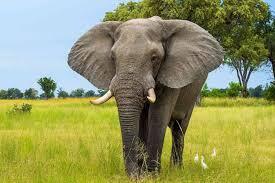
A 46-year-old man has been killed by an elephant in Magadi, Kajido county.
Semito Kinyanjui, 25, was reportedly herding goats in a field on Sunday, April 19, when the incident occurred.
His body was later recovered and moved to the mortuary. Officials from the Kenya Wildlife Service visited the area and assessed the incident.
This case adds to a series of human-wildlife conflict incidents that have resulted in fatalities across different parts of the country.
Over the weekend, two other people were reportedly killed in separate incidents in Taita Taveta and Isiolo counties, with wildlife escaping after the attacks.
KWS officials said they are handling the reported cases amid concerns over possible retaliatory actions by residents.
The agency has also been conducting awareness campaigns in areas bordering national parks in response to the rising cases of human-wildlife conflict.
The incidents have continued despite ongoing efforts to address the challenge through various interventions.
In May last year, Kenya rolled out the third phase of the Human–Wildlife Conflict Compensation Programme, aimed at supporting affected households.
During the launch at Meru National Park, President William Ruto introduced the Wildlife Conservation Card, designed to support conservation financing.
“Compensation is justice, but prevention is progress,” Ruto said, noting the need for long-term solutions that support both communities and wildlife.
“Through the Conservation Card, fencing, and community-led tourism, we are turning conflict into opportunity.”
Developed in partnership with KCB Bank, the Wildlife Conservation Card comes in three tiers—Platinum (Elephant), Gold (Lion), and Silver (Cheetah).
A portion of transactions made through the card is directed to the Wildlife Conservation Trust Fund.
The initiative is intended to allow both local and international contributors to support conservation while promoting community benefits.
Authorities say the broader goal is to enhance safer coexistence between people and wildlife.