



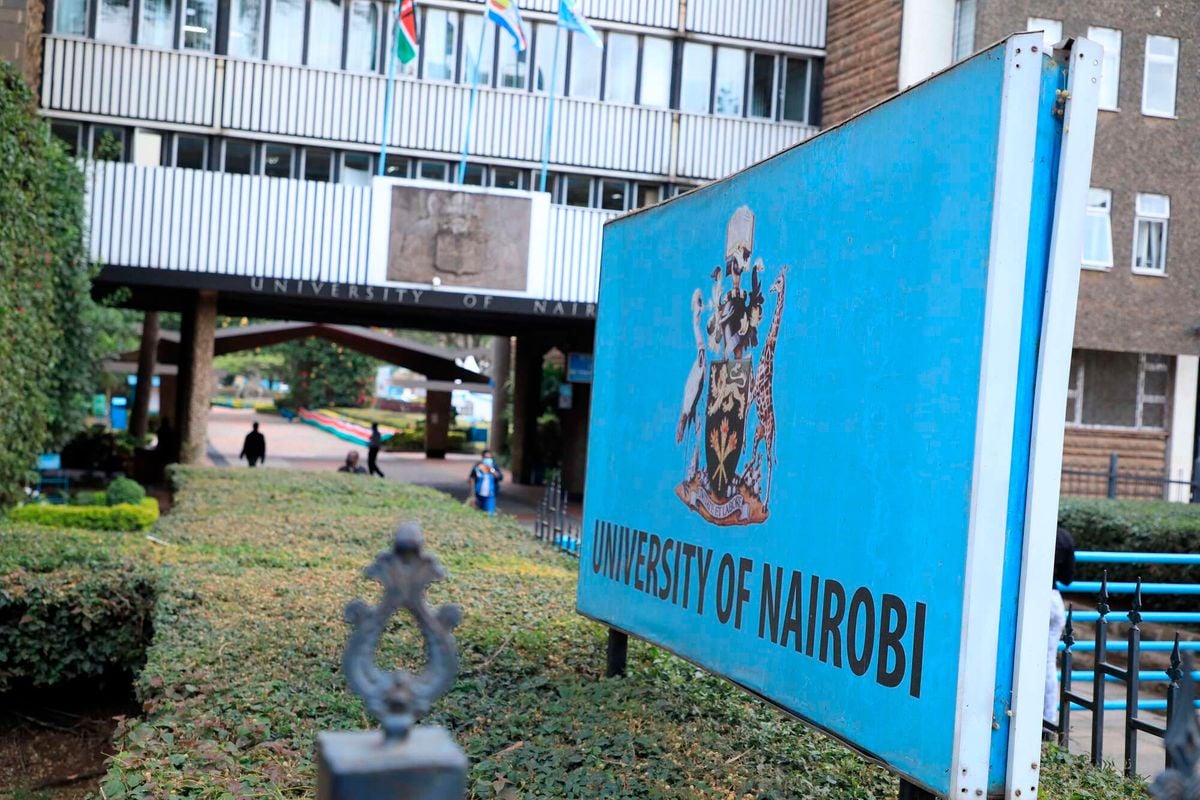
The High Court has upheld the University of Nairobi’s decision to move examinations for its Bachelor of Laws (LLB) Module II Evening Programme from online to physical mode, citing concerns raised by the university over academic integrity and the need to safeguard the credibility of assessments.
In a petition filed by 39 students, the students challenged the university’s decision to discontinue online examinations, arguing that it was illegal, unreasonable and made without public participation.
The petitioners told the court they had enrolled at the University of Nairobi partly because it offered an online distance learning programme, which enabled them to balance work and study.
They said the decision could have serious consequences for some students, including the risk of dropping out.
According to the judgment, the university defended the move, stating that online examinations had been introduced as a temporary measure during the Covid-19 pandemic and were not intended to be permanent.
The institution told the court that academic staff had raised concerns about examination integrity during the online assessments.
“When the faculty discovered that the credibility and integrity of online examinations was at stake following reports of cheating and plagiarism documented by academic staff, it resolved to revert to physical examinations, which is one of the recognised modes under its regulations,” the judgment states.
One of the key issues before the court was whether the Faculty Academic Committee acted outside its mandate by authorising the change.
The students argued that only the University Senate had the authority to alter examination policy and that the faculty could only make recommendations.
However, the university maintained that its charter allows for delegation of authority to faculties and departments to determine modes of assessment.
In his decision, the judge agreed with the university, finding that the faculty acted within its mandate.
“The faculty did not exceed its mandate in authorising an inquiry into the matter,” the court ruled.
The judge added that the decision was lawful unless the students could demonstrate that it was unreasonable.
“The decision by the respondents was intra vires, and unless the petitioners prove that the powers were exercised unreasonably, the decision must stand,” he said.
On the issue of public participation, the petitioners argued that the decision was made abruptly and without adequate student involvement.
The university responded that students had been involved in the development of academic guidelines and that a memo communicating the change had been issued at least five weeks before the examinations.
The court found the notice period reasonable.
“I disagree that the notice given was abrupt. In my view, the respondents dealt with the matter fairly and reasonably,” the judge stated.
He further observed that the move was intended to safeguard academic standards.
“In my considered view, the decision was taken to protect the credibility of examinations following reported malpractices. It was an appropriate measure,” the court held.
The judge also noted that the students remained enrolled in their programmes and had not been disqualified, adding that the university had provided for special examinations in August 2025 for students with valid reasons.
“The upshot is that this petition is hereby dismissed,” the court ruled, ordering each party to bear its own costs.
by JAMES GICHIGI