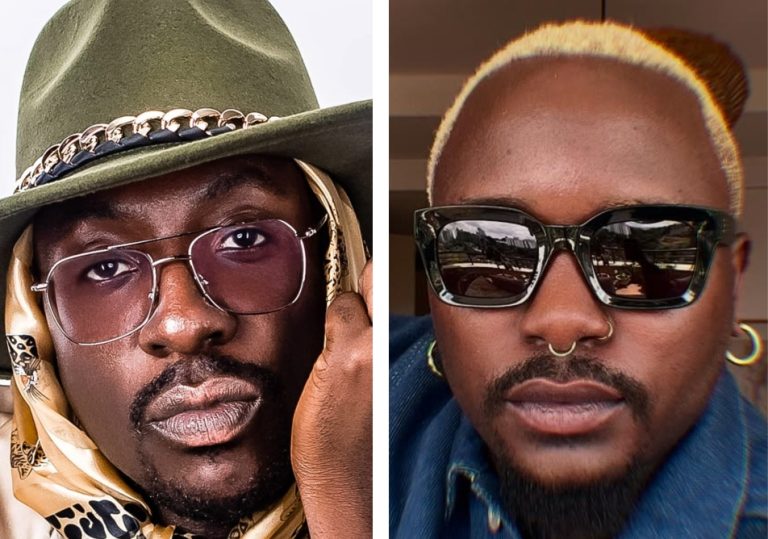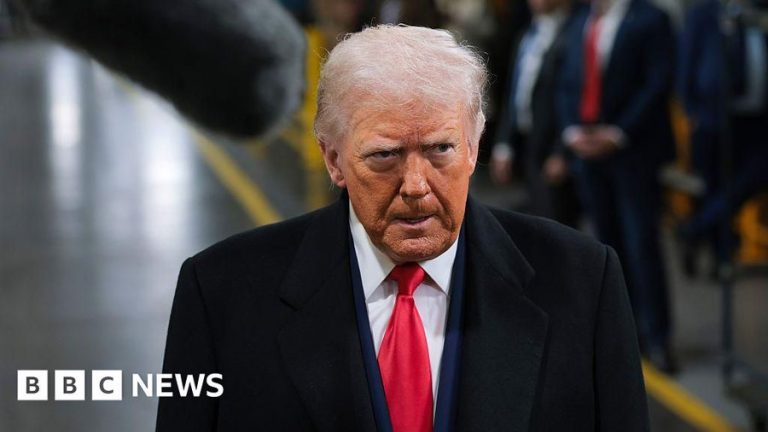



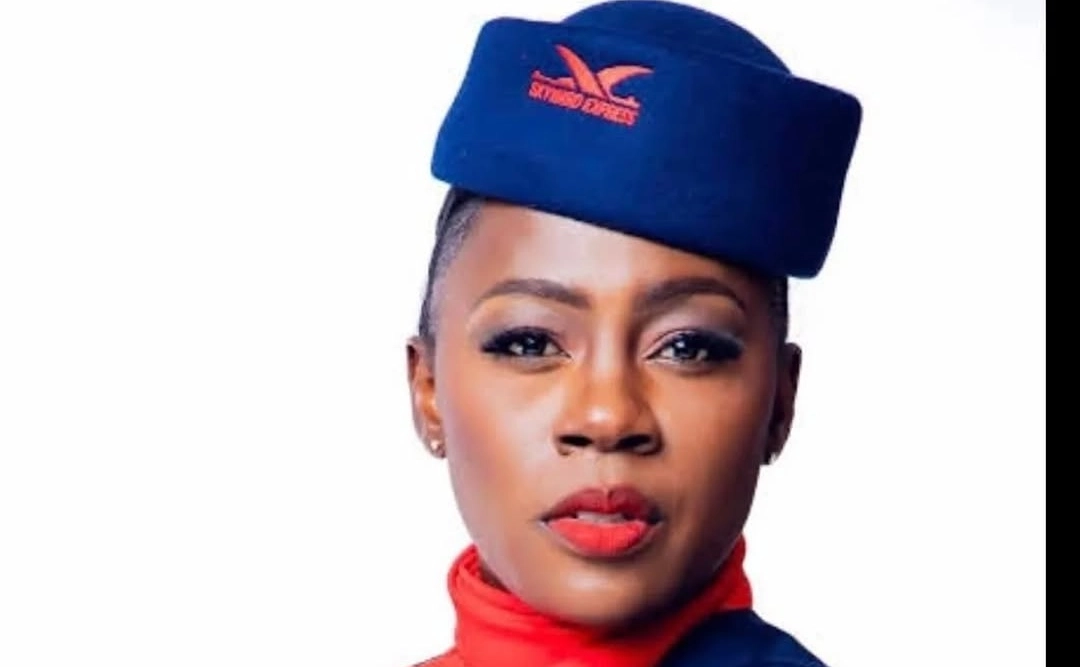
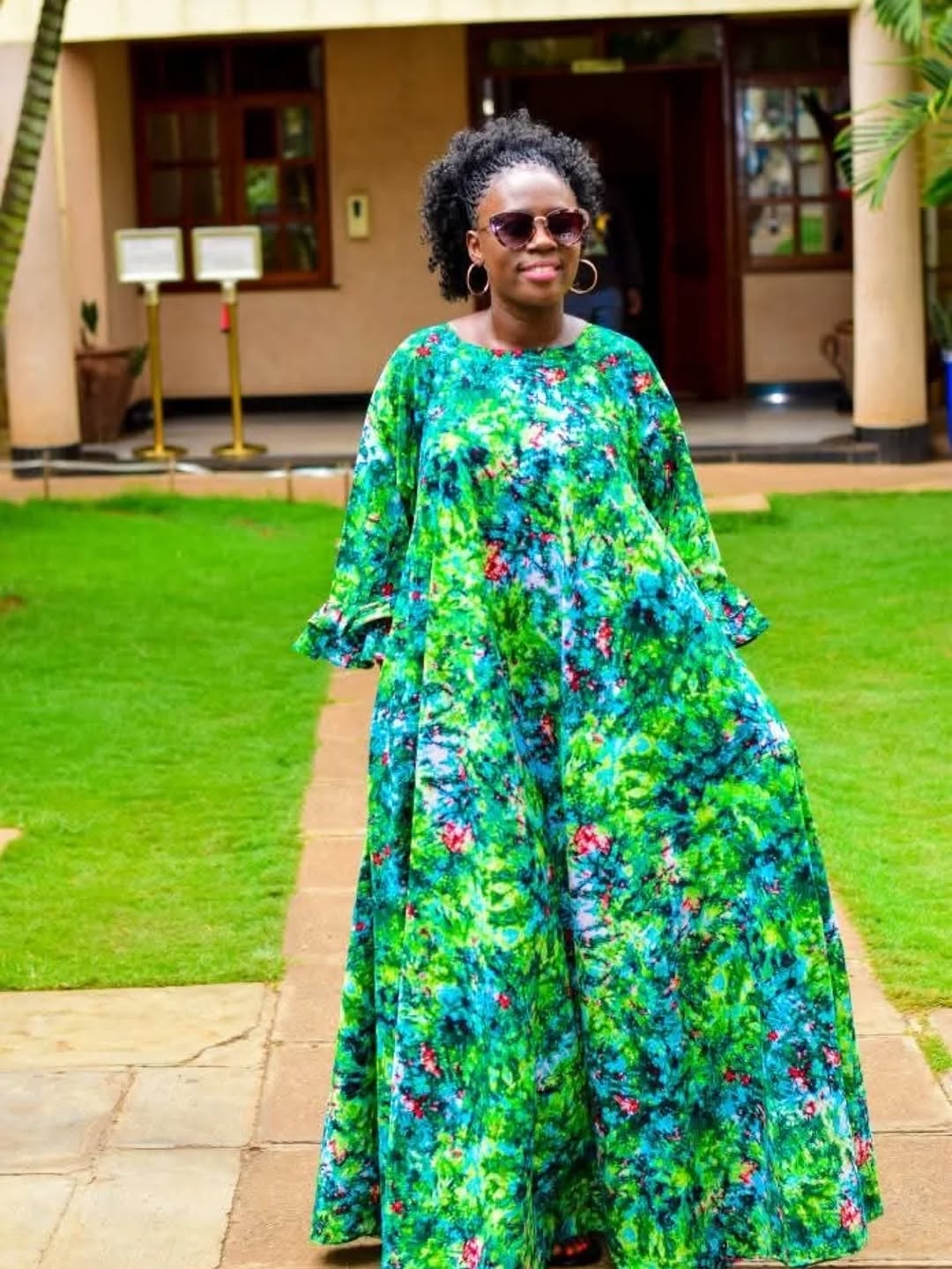
A recent public conversation inspired by content featuring musician and entrepreneur Esther Akoth, widely known as Akothee, has drawn attention to the delicate intersection between cultural traditions, family hierarchy and national leadership.
While the discussion did not dwell on the details of any specific ceremony or coronation, it raised broader questions about how deeply held customs are interpreted when viewed alongside the office of the president.
Familial Hierarchy and Cultural Expectations
Central to the exchange was an explanation of traditional family structures that place strong emphasis on birth order among sons. Within this cultural understanding, the eldest son is accorded priority in key life milestones, while younger sons are expected to wait their turn.
In the discussion, Dr. Abu was identified as the eldest son, with the president described as the youngest.
According to this belief system, the youngest son is restricted from undertaking certain responsibilities or achievements before the eldest son has done so. One example highlighted was the establishment of a home, which is traditionally expected to be initiated by the firstborn.
These customs were presented as enduring principles that continue to influence social expectations within some communities.
Leadership and Cultural Placement
The conversation then shifted to examine how such traditions apply when the individual in question holds the highest political office in the country. Participants questioned why the president featured prominently in the cultural discussion, given his national status and public role.
In response, it was suggested that the president’s cultural background is perceived as different from the traditions being referenced. Some contributors noted that he is viewed as coming from a newer cultural context, one that does not strictly align with the customs under discussion.
This distinction was used to explain why the cultural rules outlined might not be applied to him in the same way they would be to others within the same family structure.
Ancestry and Collective Identity
The dialogue also briefly touched on ancestry, introducing the idea that the president is regarded in a symbolic sense as a figure connected to everyone. This view appeared to frame his identity beyond conventional lineage, emphasizing a collective relationship with the public rather than a strictly familial one.
Although the exchange moved on without prolonged debate, it reflected a wider national conversation about how tradition adapts in modern society. By linking family customs with leadership, the discussion underscored the evolving ways Kenyans interpret culture, authority and identity in a changing social landscape.
BY jane nduta