


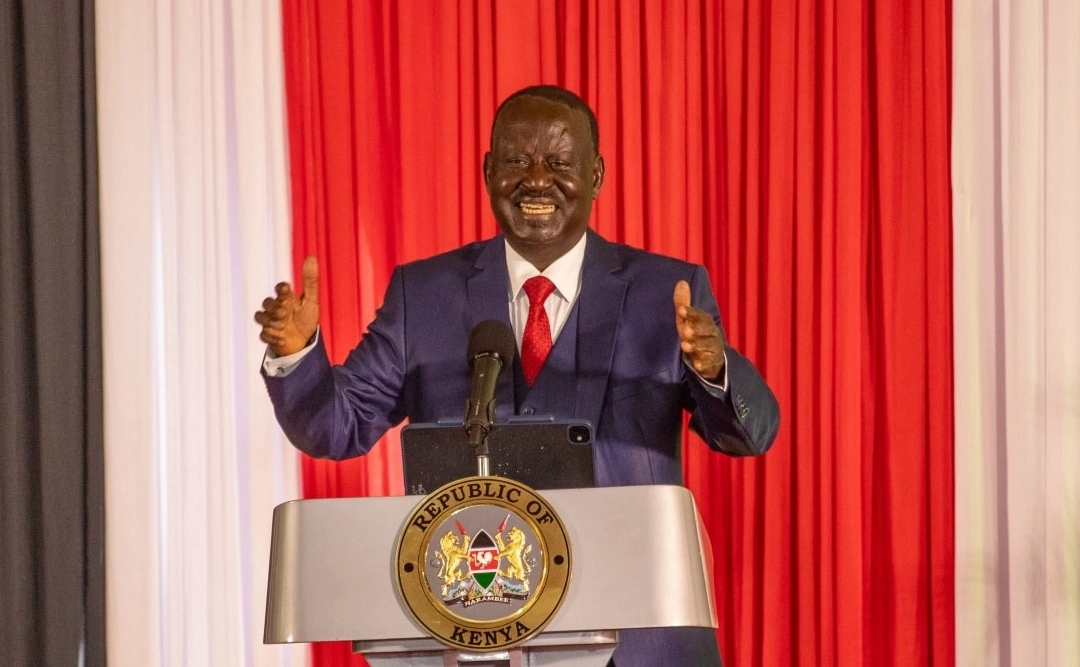
The late former Prime Minister Raila Odinga, a man whose political gravity filled stadiums, had a surprisingly simple presence in a quiet Nairobi barber shop.
For fifteen years, he entrusted his appearance to one man: Julius Kamau Kimani.
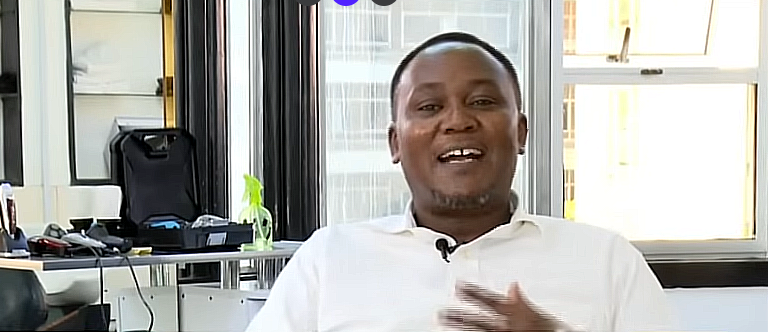
In a report by NTV Kenya’s Ashley Atieno, Kimani shared the untold story of their professional friendship.
The memories are now punctuated by the weight of a rare offer made by the political giant—a promise that now, tragically, remains unkept.
The Teacher in the Chair
Julius Kimani, 47, has spent 25 years perfecting his trade. His long relationship with Odinga began in 2008 when he started working at the shop.
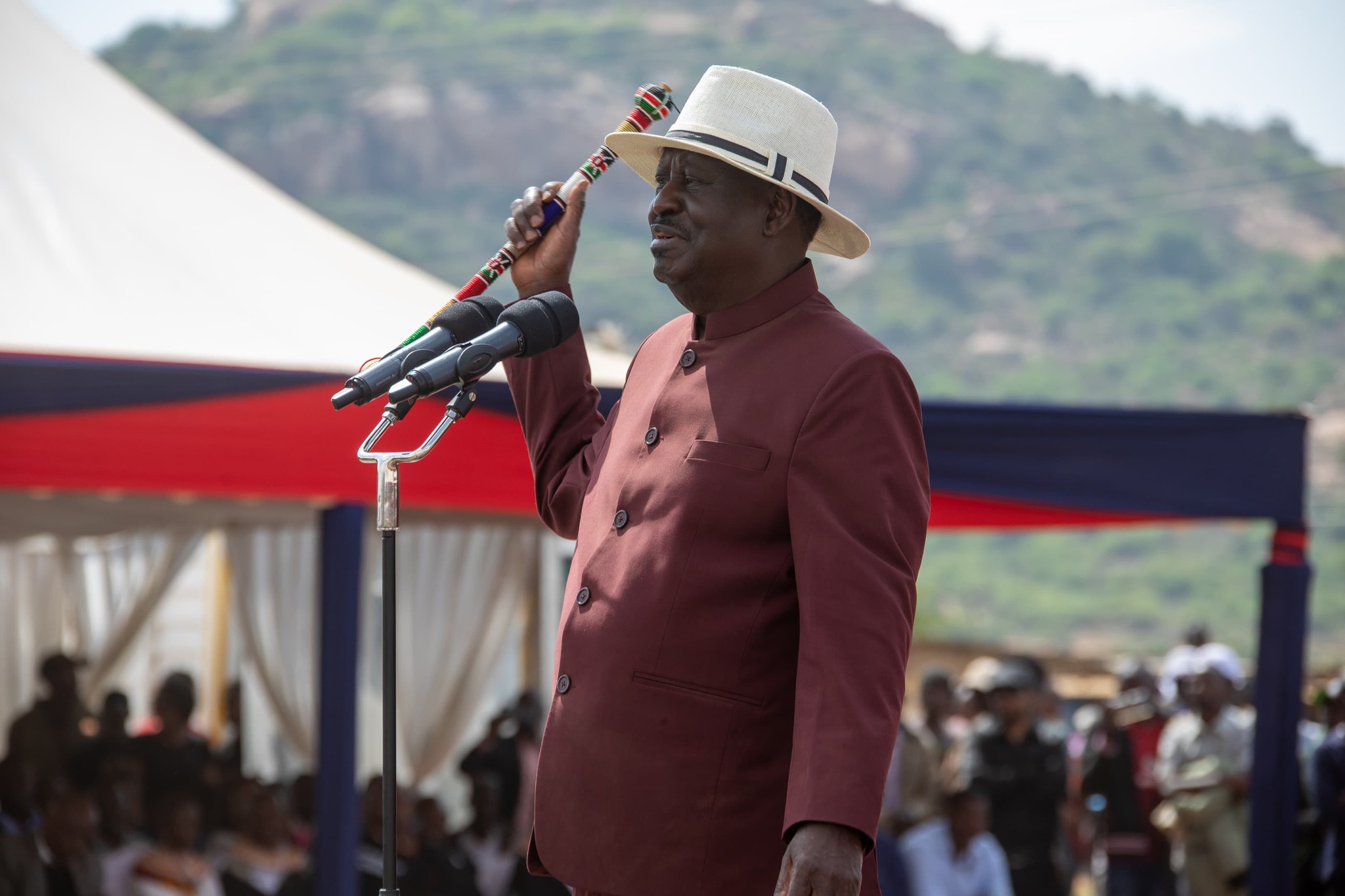
Odinga, affectionately known to many Kenyans as “Baba,” was a loyal and unpretentious client of Julius. According to the report, he always requested the same cut: a neat, plain number two, with “no drama”.
The trust between the two was absolute. Julius recalls times when Baba would simply fall asleep midstream while getting his haircut.For the barber, Odinga was more than a customer; he was a “teacher” and a “mirror of humility”.
The Rare Offer
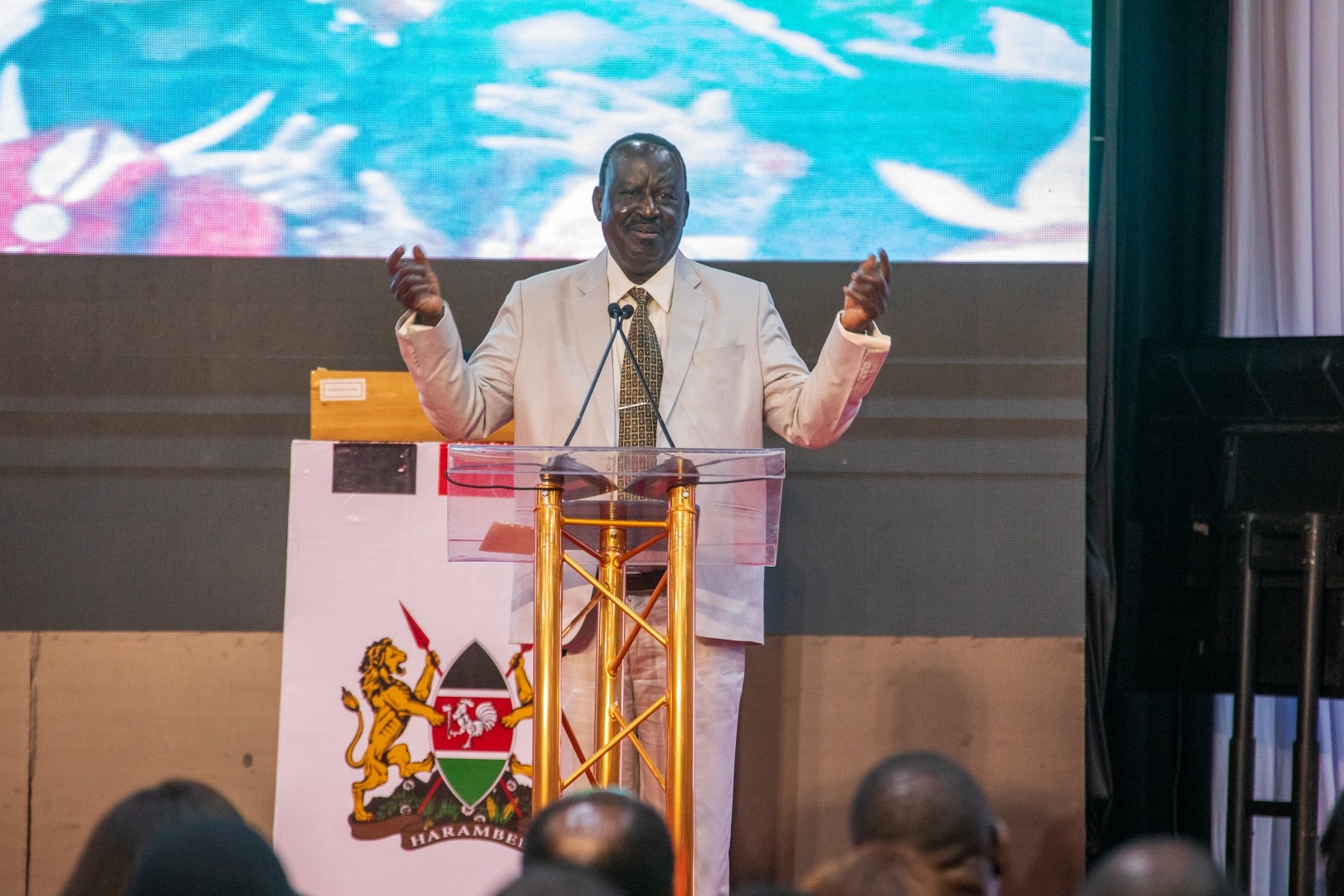
Odinga’s routine visits were not entirely quiet. Whenever he showed up, the whole shop became a focal point. Whispers outside and security inside signalled the arrival of the beloved leader, and business boomed.
It was during one such visit that Raila Odinga did something truly rare. He made an offer to Julius, asking him directly: “what he wanted most in life”.
This grand question was a gesture of generosity and support towards his trusted barber.
The Last Cut and the Answer
The final time Julius cut Raila Odinga’s hair was on Friday, 1st August 2025.
On that emotionally charged day, Julius finally gave Baba the answer to his grand question.
“I told him, because I have been trimming your hair, I’d also want to offer similar services to the president. He then told me, ‘Even the president, itawezekana!’…”
When the cut was finished, Odinga paid for everyone present and left.
A Sacred, Empty Chair
According to Julius, since that final meeting, the atmosphere in the shop has changed dramatically. The laughter has faded
and sales have dropped.The leather chair where Raila Odinga once sat is now profoundly heavy, its arms polished smooth by history.
For him, that space is now sacred. It stands as a silent reminder of the conversations, the shared jokes, and the “promises made” in that quiet corner of Nairobi—a friendship that was “cut short too soon”.
BY moses sagwe