


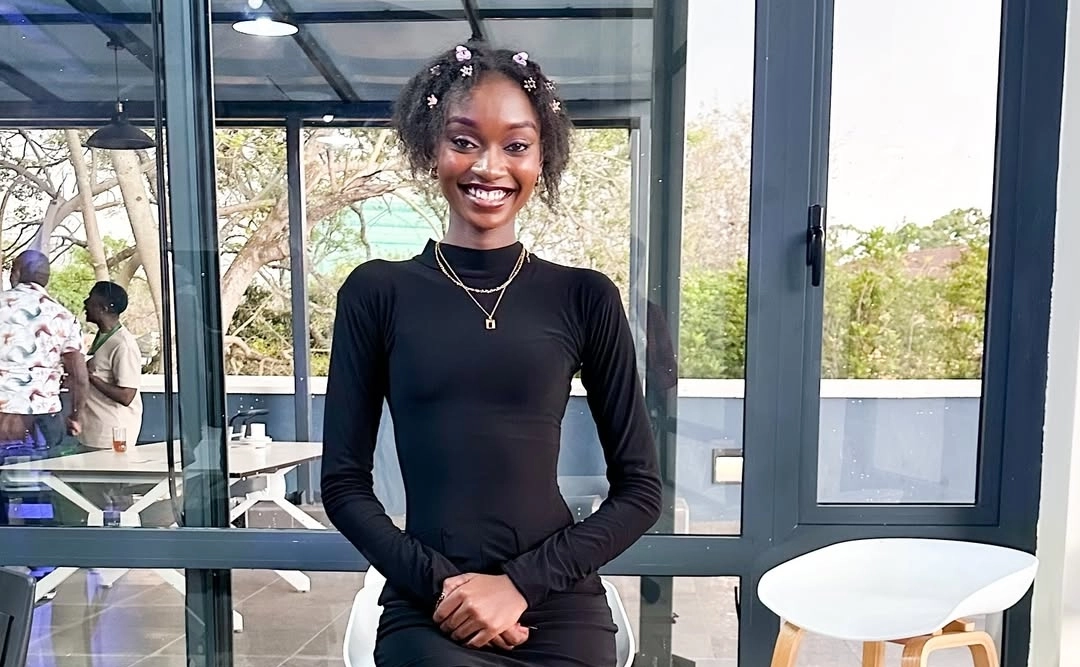
Media personality and radio host Natalie Githinji has ignited an amusing—yet surprisingly relatable—online conversation after she posted a lighthearted but pointed rant on her Instagram story.
Her target: Millennials and their habit of using typed laughter instead of emojis.
Natalie urged the older generation to “stop pretending” with their keyboard habits and embrace the clarity of modern digital expression. Her post took direct aim at the now-common use of expressions like “hahaa,” “lol,” or “jeez” in text conversations.
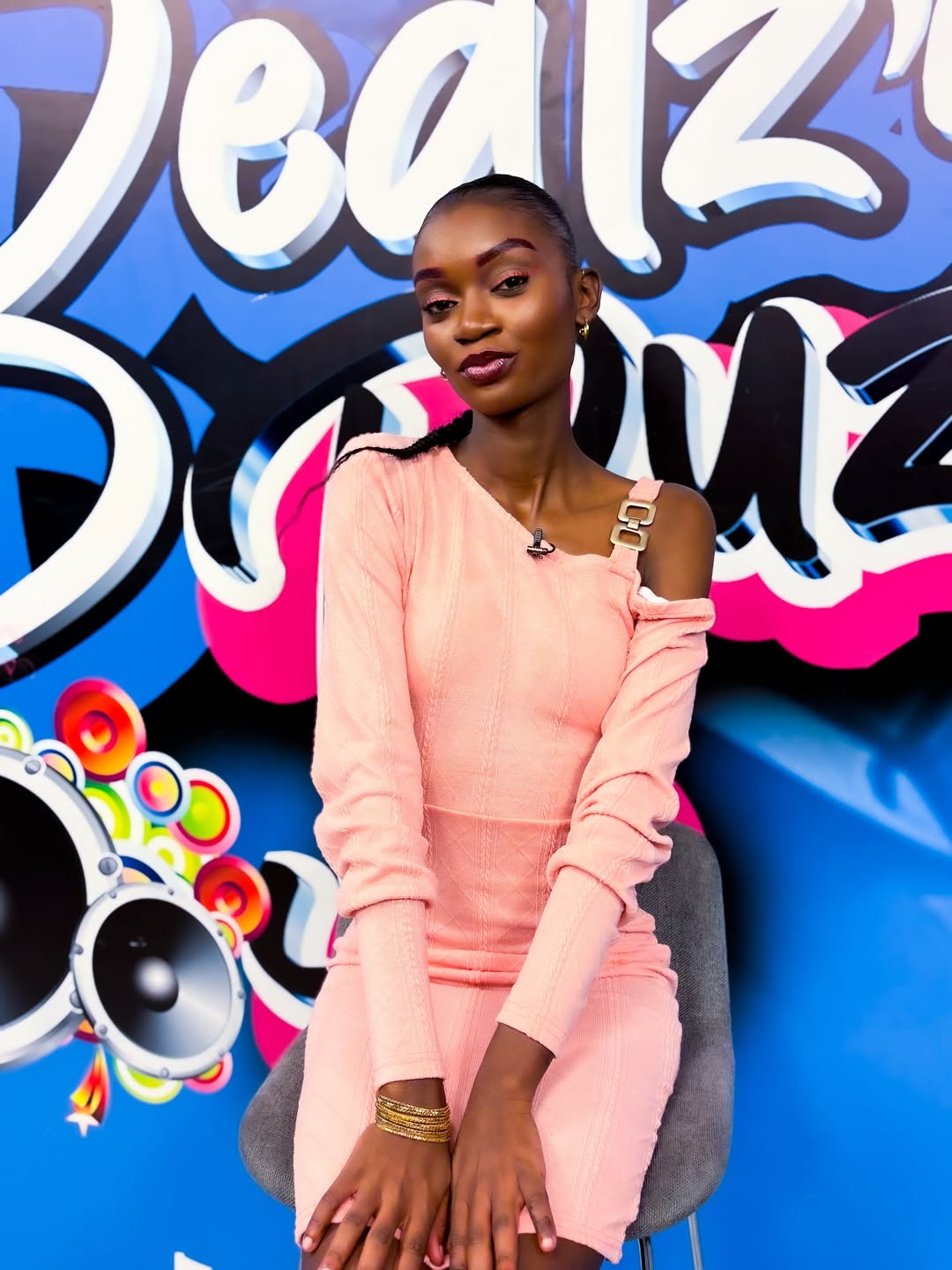
She claims these typed phrases often feel disingenuous, especially when there are perfectly good emojis designed specifically to convey genuine amusement.
The Case Against “Hahaa”
Natalie did not hold back in her appeal for better communication. She wrote, in a mix of English and Swahili: “Na Millennials mtumie emojis pris… agh🤦🏾♀️🤦🏾♀️ sasa ‘hahaa’ ni nini??”she posted on her Instagram.
She questioned the authenticity behind the text: “Na kuna emoji za kucheka apo?! Like unacheka ama unajifanya?”
Her tone was humorous but delivered a pointed message, highlighting a clear generational disconnect in online communication styles.
According to Natalie, this kind of typed laughter, especially when it doesn’t quite match the mood of the conversation, comes off as “fake” or forced.
It’s often used, she argues, not to express real amusement, but simply to soften an awkward moment or quickly end a chat.
“Sounds fake to me… ile kicheko ya kumaliza story ama kucheka tu although kitu haikua funny… just to save the person from embarrassment.”
The Generational Divide in Laughter
She concluded her viral rant with a powerful plea for authenticity in digital expression, reminding her followers that emojis exist for a precise reason: to convey emotion clearly and instantly.
“Just use the EMOJIS! That’s why ziko hapo…. to express your emotions…. aty ‘lol’ ‘hahaa’ ‘jeez’ 🙄🙄,” she insisted.
Natalie’s comments have quickly gone viral across platforms. Many Gen Z followers enthusiastically nodded in agreement and began poking fun at their older Millennial siblings and friends.

The story has successfully sparked a broader debate about whether typed expressions like “haha” or “lol” still carry true meaning, or if they have simply devolved into digital filler words.
Others, however, defended the traditional Millennial texting style, arguing that “lol” is far more nuanced than Natalie suggests.
They claim it can be used sarcastically, ironically, or simply as a polite reaction to acknowledge a message.
by eugene okumu