




The Independent Electoral and Boundaries Commission (IEBC) has initiated a substantial drive to register millions of new voters across the country.
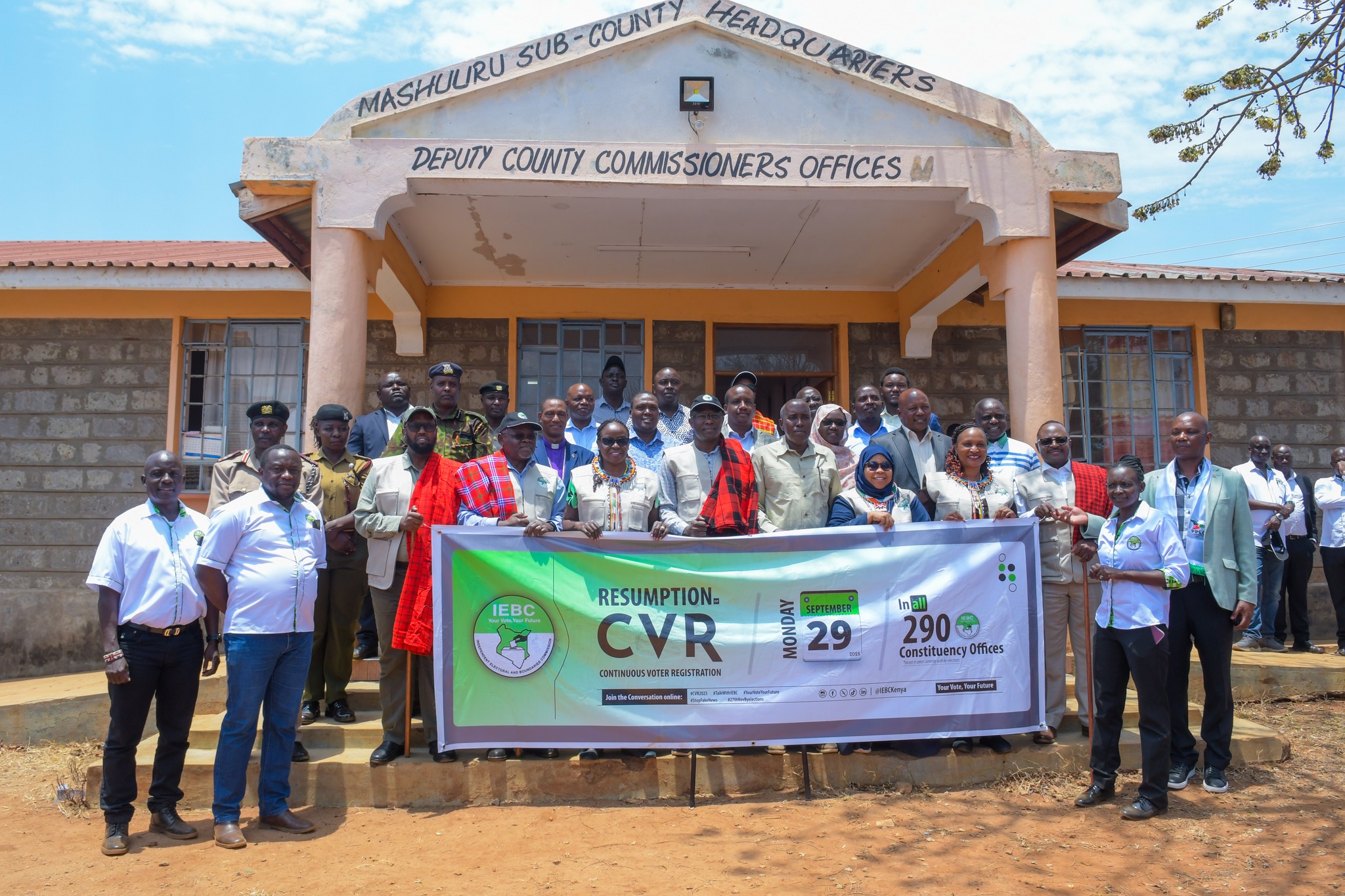
This campaign, the resumption of the Continuous Voter Registration (CVR) exercise, is seen as a crucial preparatory step for the forthcoming by-elections and the 2027 General Election.
The Commission is specifically targeting 6.3 million new eligible voters. A significant focus is being placed on young people, often referred to as Gen Z.
Media reports highlight that 70 percent of these new voters are expected to be youth.
Why the New Security Layers?
The registration drive, announced on 29 September 2025, involves advanced biometric data capture. Roy Lokaale, an IEBC ICT operator, explained the new technological requirements on NTV Kenya.
He confirmed that the Commission is seeking to improve its security features. This means mandatory iris scanning has been added as a biometric identifier.
Previously, registration featured the capture of a photograph (face) and fingerprints. The IEBC is now making all three identifiers compulsory.
Mr Lokaale described the iris capture as the “third layer of security or as an identifier”.
The previous registration system only included the face and the fingerprints. The iris scan improves upon that original process.
“These are biometric identifiers and we keep on improving our security features. Previously, we only had the face and the fingerprints. So now, just to improve on that one, we have added the iris as the third layer of security. And yes, it will be compulsory,” Lokaale explained.
Tech Upgrade from Suitcase to Tablet
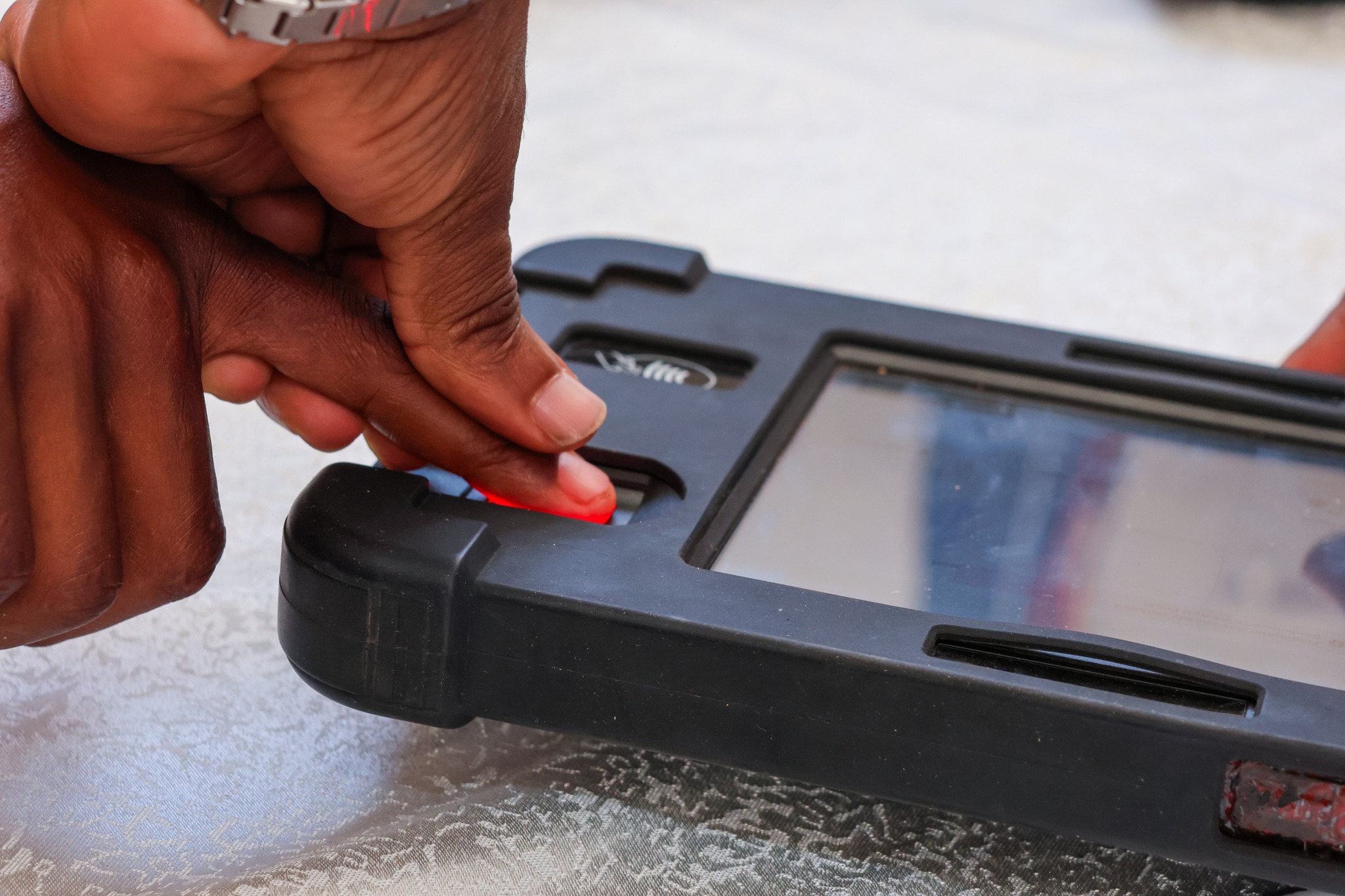
Mr Lokaale showcased the updated technology being used for the drive. The registration process previously relied on the bulky Biometric Voter Registration (BVR) kit.
This large kit contained a laptop, a separate camera unit, a fingerprint scanner, and two power batteries.
These older BVR kits were first introduced in 2012 for the 2013 elections. They successfully registered 14 million voters for the 2013 polls and over 22 million voters up to the 2022 elections.
The IEBC has now dramatically reduced this equipment.
“So all that has been reduced to the tablet,” he revealed.
The Commission is trying to improve its services and technology, according to the ICT operator. The new tablet incorporates the fingerprint scanner and cameras directly into the unit4.
These integrated cameras serve dual purposes: they are used both for taking the voter’s photograph and for the mandatory iris scanning. They can also scan the voter’s identification card.
Integrated Electoral Systems
This modern gadget is designed to handle multiple tasks. IEBC seeks to integrate its systems, which is why the overall framework is called the Kenya Integrated Electoral Management Systems.
The device that was previously used mainly for voter identification (called EVIDID or Electronic Voter Identification Device) is now also used for registration.

The integration means the gadget can handle voter registration, identification, and the transmission of results.
IEBC Chairperson Erastus Edung Ethekon confirmed the details of the registration drive to Parliament. He assured lawmakers that the Commission is fully prepared for upcoming electoral events.
Mr Ethekon also pledged to maintain close collaboration with stakeholders to enhance transparency in electoral processes.
The successful enlistment of the 6.3 million new voters is key to the Commission’s mission ahead of 2027.
by moses sagwe