


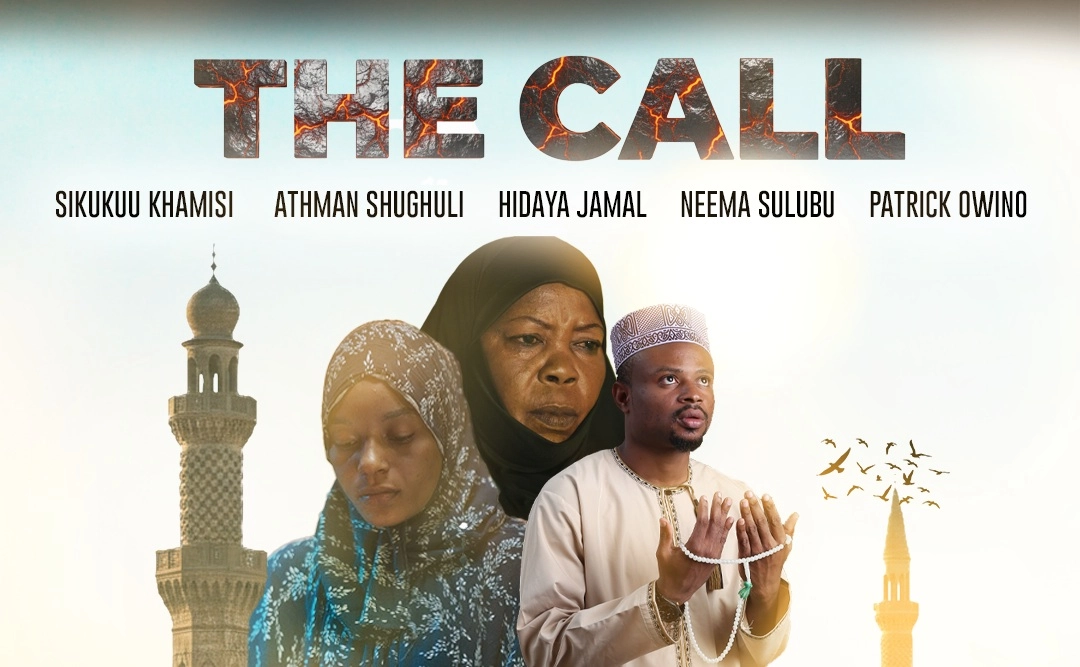
THE CALL, the latest project from First Slate Production, is more than just another film release. It’s an urban drama that dares to stare into the cracks of contemporary life in Mombasa, using the city itself as both stage and mirror.
At its heart is the haunting tag-line: “Katika Kila Jambo Jifunze Kusema Alhamdulillah.”
The Dual Life of Abdul
The story follows Abdul, a young man played by newcomer ATHMANI SHUGHULI, who is torn between two worlds — the discipline of the Mosque and the pull of Mombasa’s underworld.
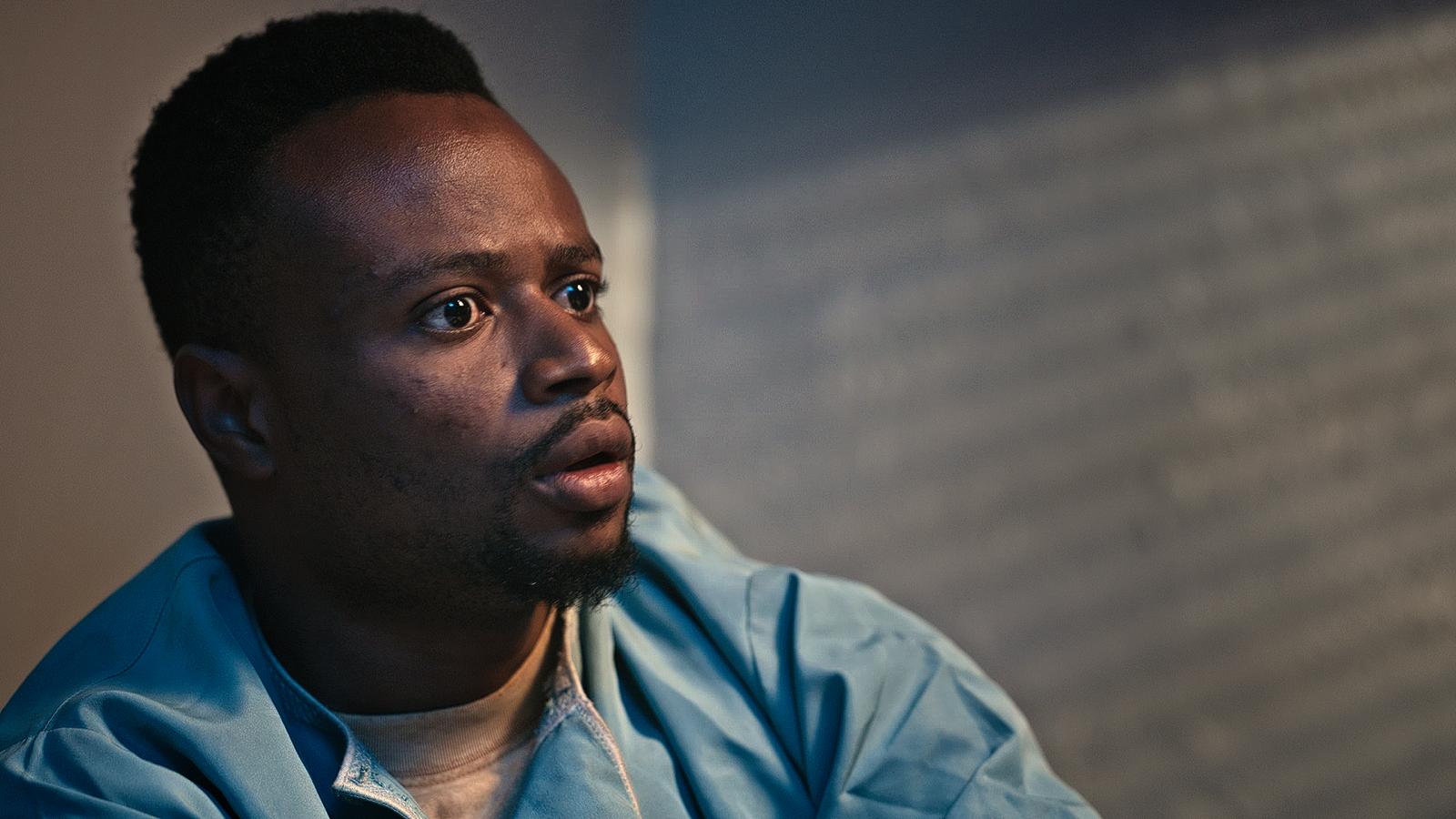
His fragile balance shatters when his mother is violently attacked in a robbery linked to his own crew. As guilt eats away at him, Abdul is left wrestling with silence, faith, and the choice between loyalty and truth.
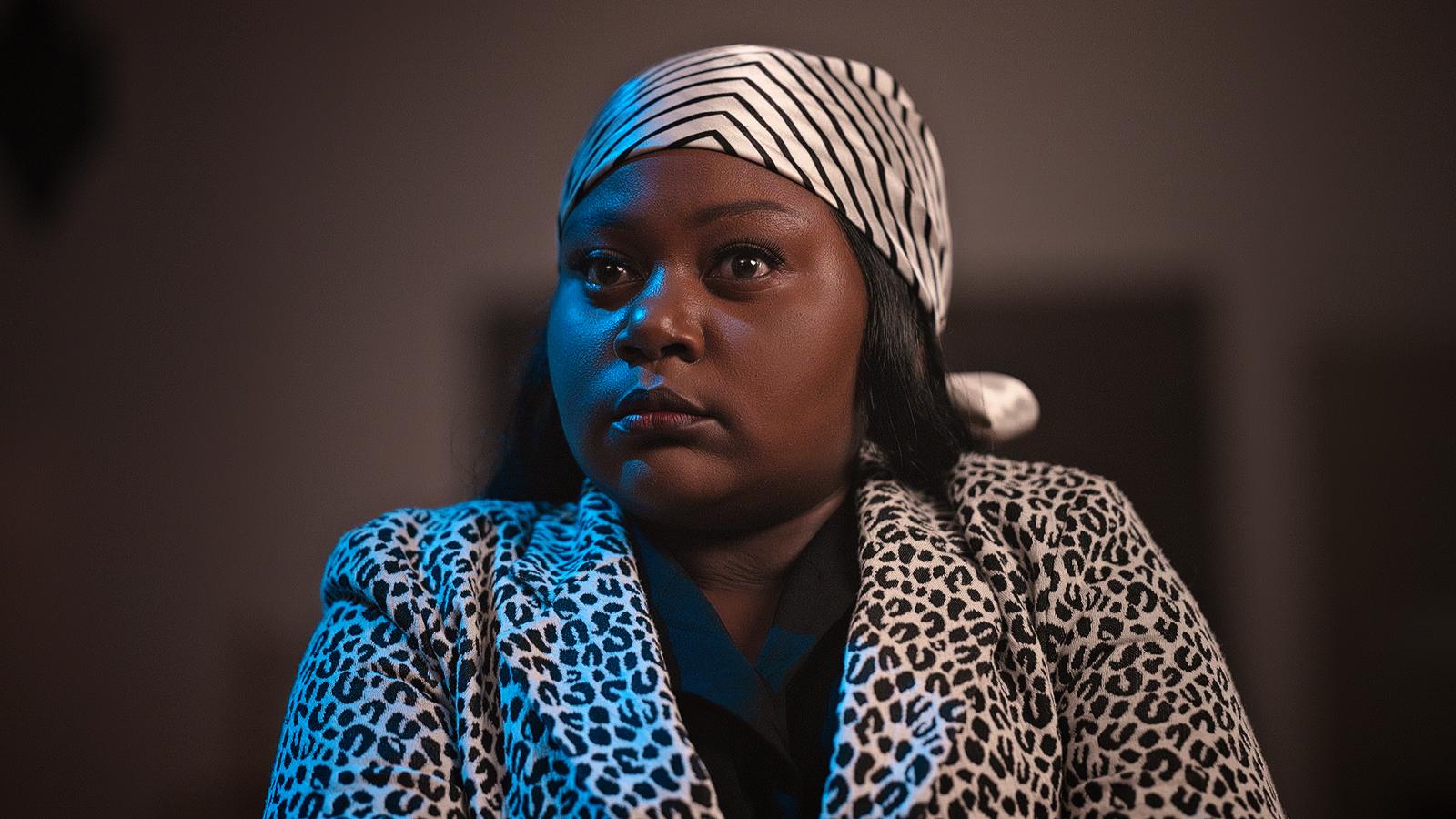
The powerful gang mastermind is Lady Donata, played by known actress NEEMA SULUBU, who operates a syndicate of recruiting young men and sending them to the streets to steal for her.
The film boasts an impressive line-up of veteran talent from Mombasa and the wider industry, including AYUBU MSHEFA, CAROLYNE RITA, JUMA SHIBE, and the addition of veteran actor Victor Opondo.
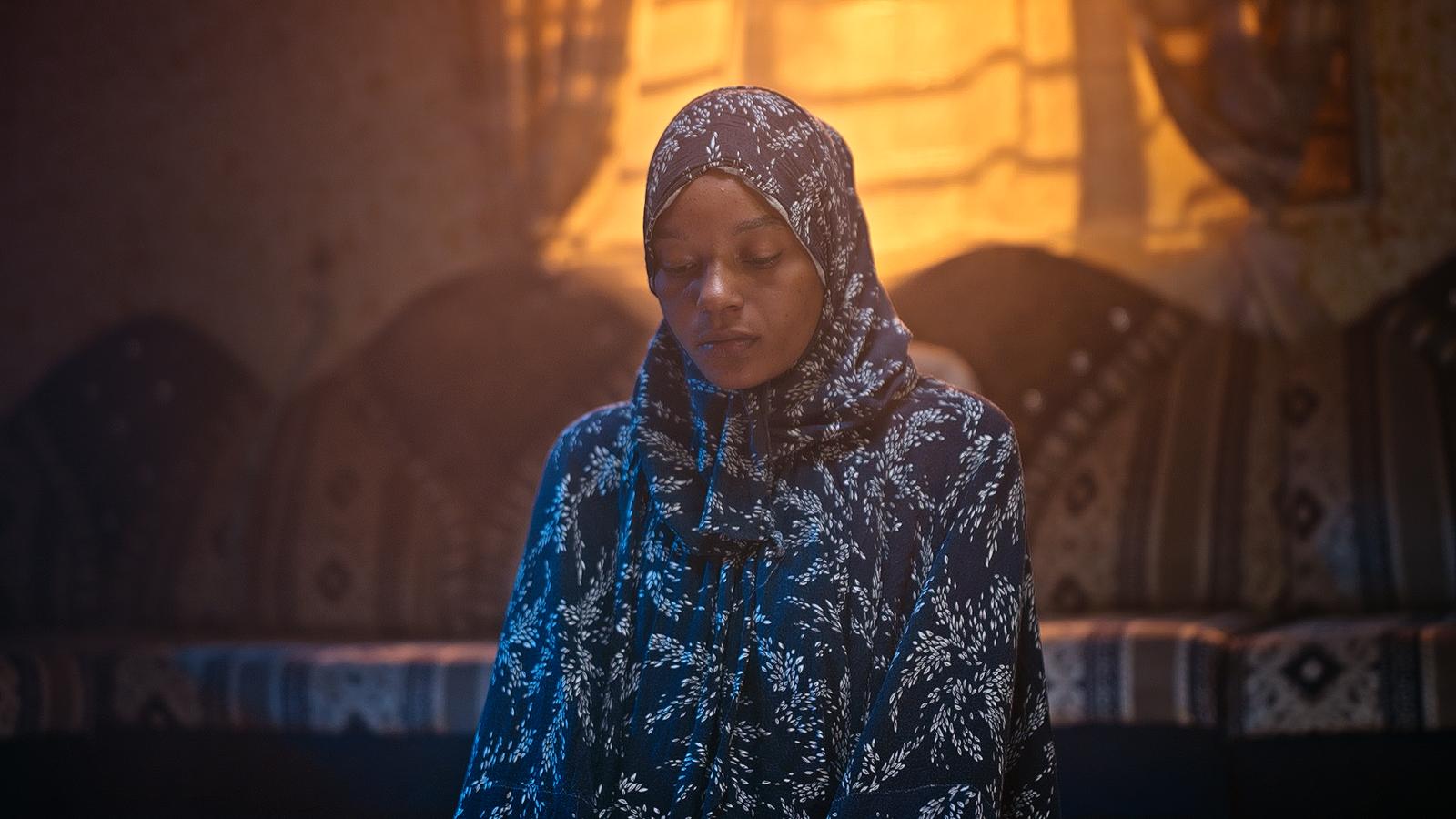
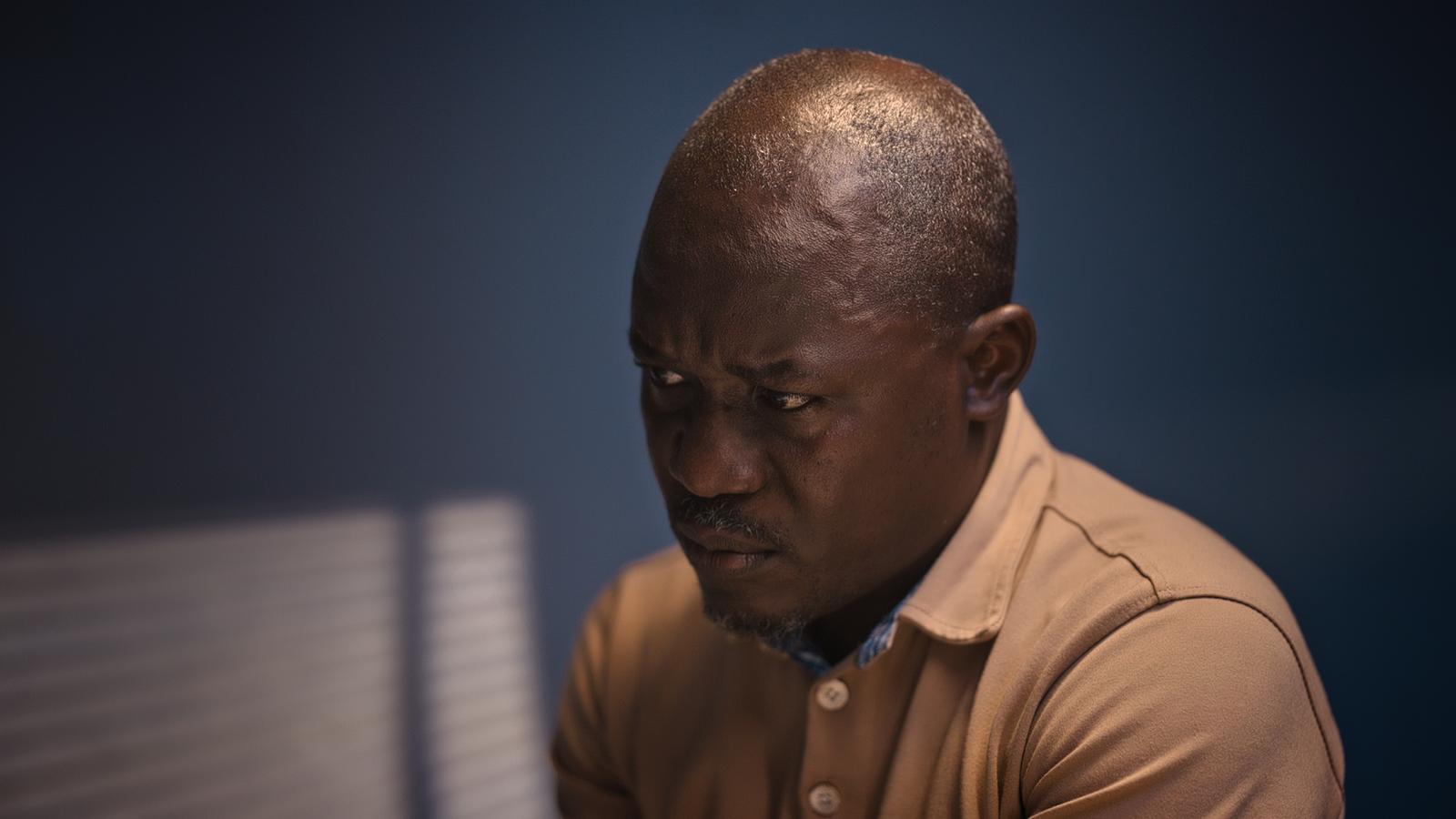
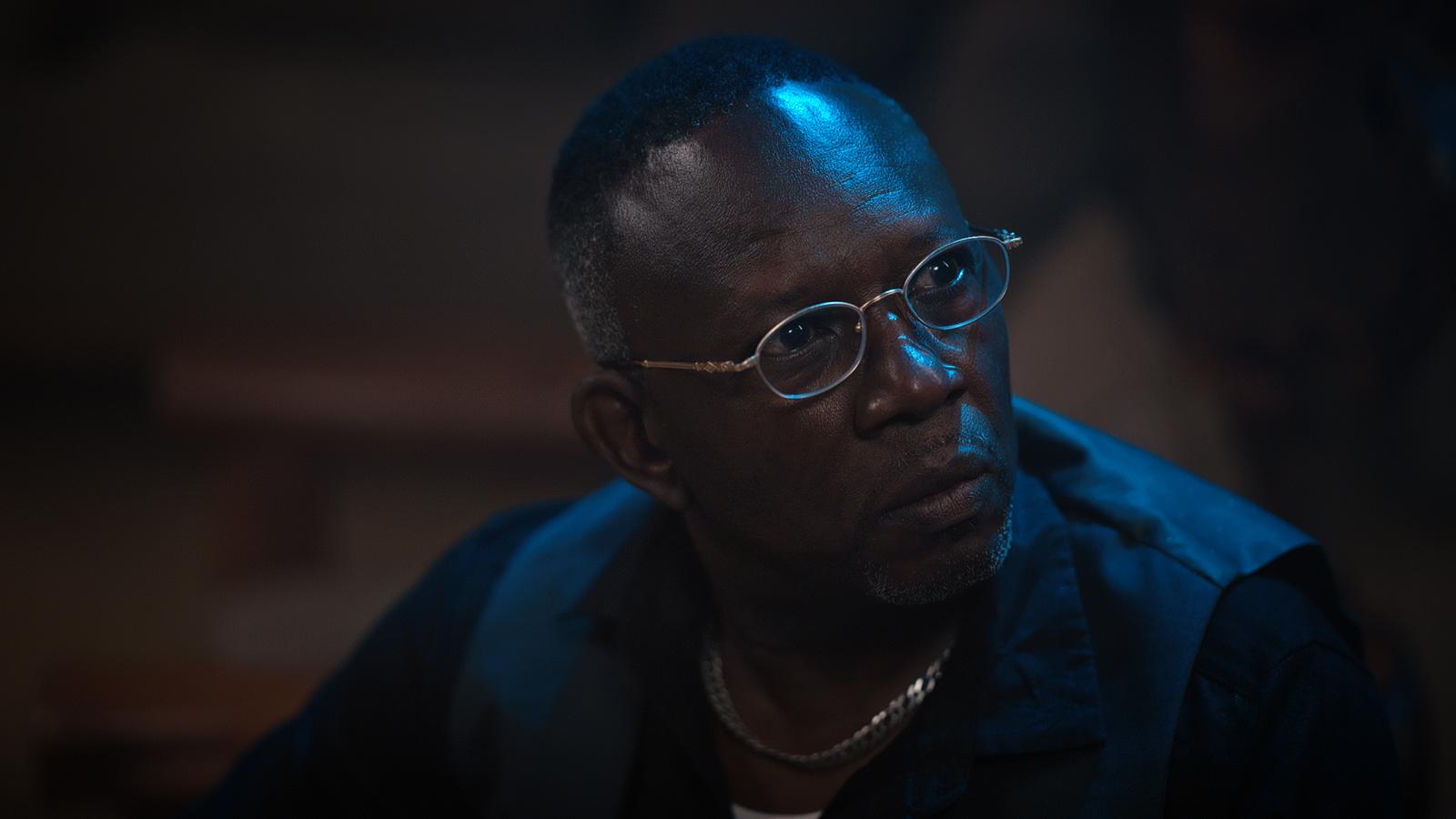
The script, written by Hafsa Addasah, weaves a taut narrative of blood, belief, and the heavy price of secrets.
Directed by Lucky Collins, the film leans into raw authenticity, refusing to sanitise the realities of street life while threading moments of spirituality and grace through its fabric.
A City That Breathes Into the Story
For Collins, better known in the industry as Collins L. Mturi, the film is a personal undertaking. He describes THE CALL as an attempt to capture the “silent battles” many young men face in African cities: the tug-of-war between survival and conscience, the pull of sin and the call to redemption.
He insists Mombasa isn’t just a backdrop but a character in itself. From the echo of the adhan through narrow alleys to the collision of vibrant coastal culture and quiet despair, the city breathes into every frame.
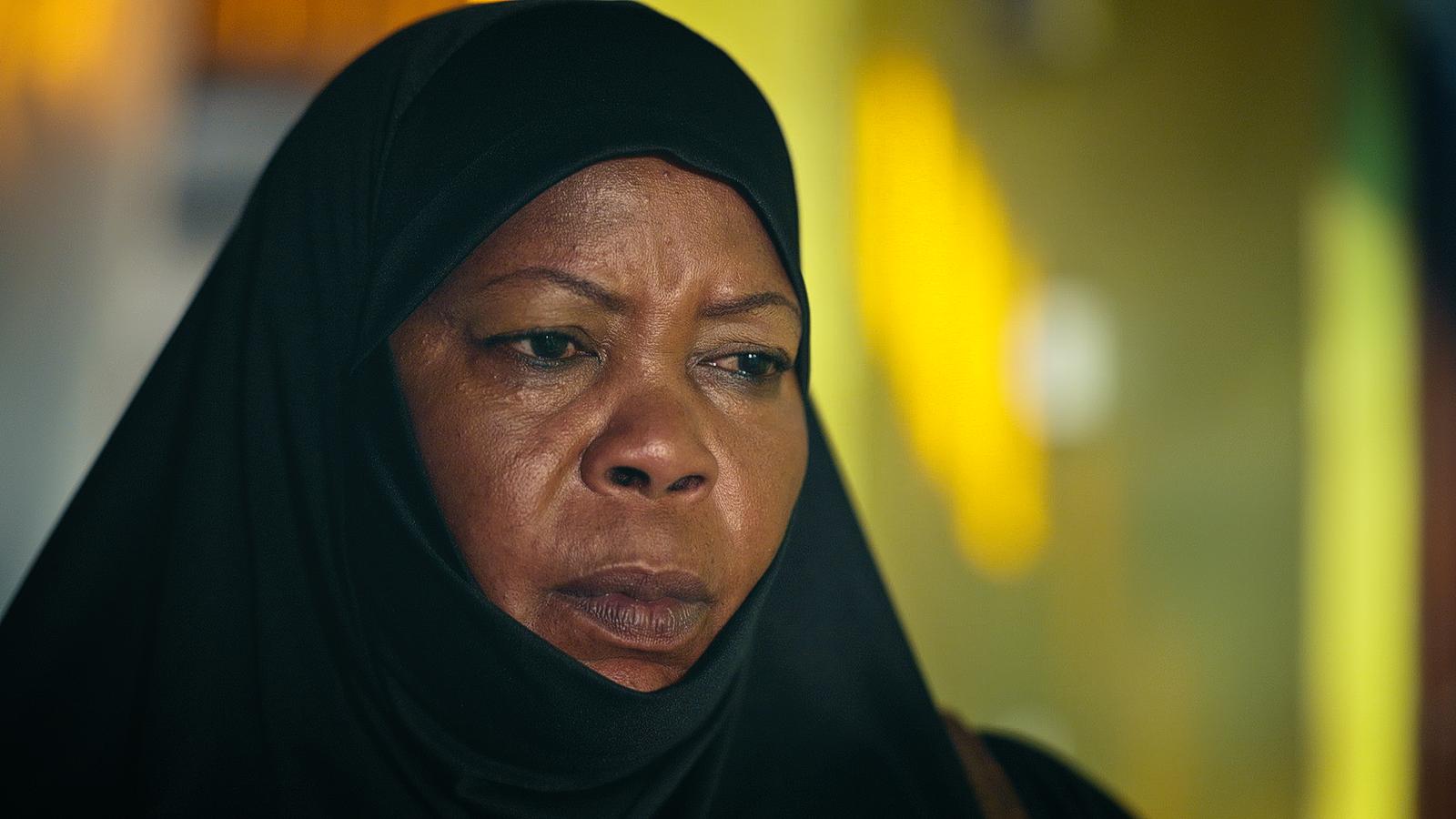
Through Abdul’s journey, themes of masculinity, family, silence, and resilience emerge. The women in the story, who embody a quiet strength that challenges traditional portrayals, include Hidaya, played by the legendary actress SIKUKUU KHAMISI, and Habiba, a new face to the industry played by HIDAYA JAMAL.
The Director’s Journey Back
Mturi’s name carries weight in Kenyan television and film circles. His career began humbly in 2009 as an intern camera operator on Waridi, before quickly moving onto bigger productions such as Mali.
Over the next decade, he refined his craft, working alongside some of Kenya’s most respected directors, including June Ndinya, Henry Lenga, and Victor Gatonye.
His return to his coastal hometown marked a turning point. With Ashiner Pictures, he took on dual roles as Director of Photography and Director, shaping projects like Utandu, Almasi, Sumu, Kashfa, Nyota, and Penzi.
After stepping away from film in 2018, THE CALL represents his re-emergence — not just as a technician behind the camera, but as a storyteller determined to confront uncomfortable truths with honesty and artistry.

Beyond the Screen
What sets THE CALL apart is its refusal to play safe. It doesn’t dress Mombasa in postcard colours, nor does it sensationalise its darker corners. Instead, it gives space to nuance: the contradictions of faith and failure, of loyalty and betrayal, of scars that don’t just scream but whisper.
At a time when African cinema is pushing harder to tell its own truths, THE CALL stands as a raw, reflective entry — one that insists that even in silence, there is always a voice calling you home
By Geoffrey mbuthia