


The opposition’s bid to unite under one political umbrella ahead of the 2027 General Election is already facing cracks. Democracy for the Citizens (DCP) deputy party leader Cleophas Malala maintained that the position needs a youthful touch. This is after Democracy for the Citizens (DCP) deputy party Leader Cleophas Malala rejected the appointment of former UNCTAD secretary general Mukhisa Kituyi as the spokesperson of the newly branded coalition. The coalition, still referring to itself informally as the ‘United Opposition’, is preparing to unveil its official name, symbol, and slogan in the coming week. The launch is expected to bring together top opposition figures, including former deputy president Rigathi Gachagua and Wiper leader Kalonzo Musyoka. Organisers have hinted at a Swahili name for the outfit, signalling an attempt to resonate with the common mwanachi. Why did Malala reject Mukhisa’s appointment?
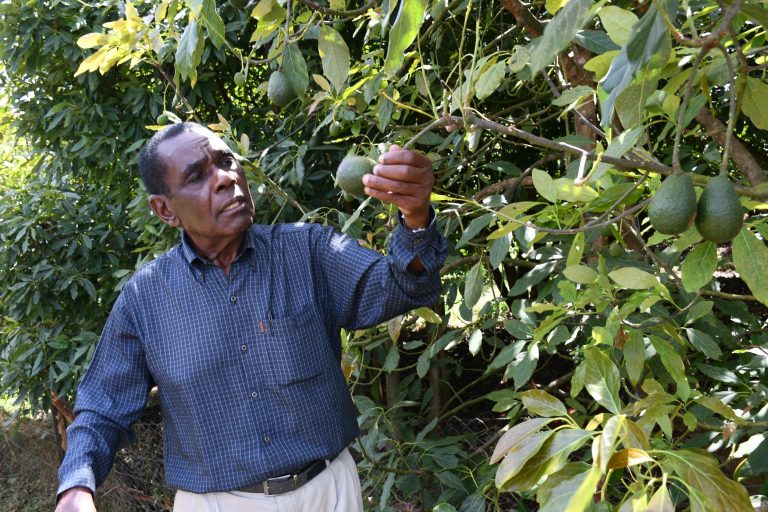
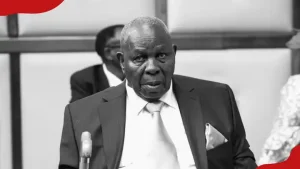
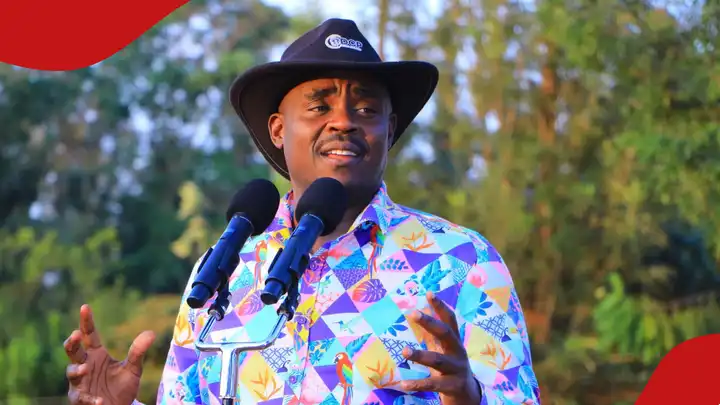
But even before the unveiling, sharp divisions have emerged within the outfit seeking to make President William Ruto a one-term president. The coalition’s principals had agreed behind closed doors to endorse Kituyi as the spokesperson, giving him the responsibility of coordinating communication across the alliance. Several leaders echoed this decision, and on social media, they presented a united front, announcing his appointment. Malala, who skipped the meeting and declined to sign the coalition agreement, distanced himself from the move. The former Kakamega senator told Citizen TV that Kituyi’s appointment was uninspiring and misaligned with the needs of the opposition. He underscored that the coalition must present a generational shift to counter the ruling alliance, maintaining that Kituyi isn’t the man for the job. “My position on the choice of the spokesperson is that the United Opposition deserves to demonstrate willingness in engaging with fresh youthful leadership that can propel the country to the next frontier of politics and governance, qualities which Mukhisa Kituyi is acutely lacking,” Malala said. Subscribe to watch new videos
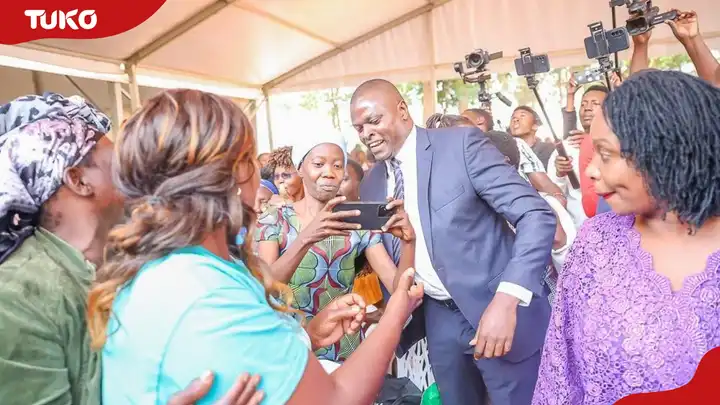
Which polls will test opposition unity? The coalition had in recent months captured public imagination with its talk of unity and the possibility of fielding a joint presidential candidate. Though principals agreed to shelve naming their flagbearer until their parties are strengthened, the endorsement of Kituyi was meant to present an organised opposition bloc. Instead, Malala’s resistance has injected uncertainty with his party, DCP, enjoying notable support in Kakamega county. MCAs agree to work with governor Malala has also vowed to lead DCP’s charge for the Malava by-election seat despite calls for consensus in the opposition. Photo: Cleophas Malala. Source: Facebook This influence is set for another test in the Malava constituency by-election slated for November.
The coalition leadership had urged DCP and DAP-K to avoid splitting the opposition vote by having one of them step down. Yet both sides have refused to yield ground and Malala insists that as the deputy leader of DCP, he must lead the charge for his candidate all the way to the ballot. DAP-K, on the other hand, has flatly refused to withdraw its aspirant. Why did youths welcome Kituyi’s appointment? Elsewhere, youth leader Ken Babu welcomed the appointment, praising Kituyi’s global outlook, political experience, and deep grasp of Kenya’s socio-political landscape. He commended opposition leaders for their commitment to democracy and urged for greater youth inclusion. Babu added that Kituyi will help advance the youth-focused WANTAM agenda through collaboration with young Kenyans
By Didacus Malowa